When Grace Ameh’s five-year-old daughter developed a fever, she was given malaria drugs repeatedly without testing, until her condition worsened.
Ameh, a resident of Eyyan in Kwali Area Council, FCT, eventually rushed her child to a hospital where typhoid, not malaria, was diagnosed.
Her story highlights a national health challenge — fever is often presumed to be malaria, leading to wrong treatments and worsening outcomes.
Experts say this widespread misdiagnosis is fueling Nigeria’s growing antimicrobial resistance, AMR, crisis and causing preventable deaths.
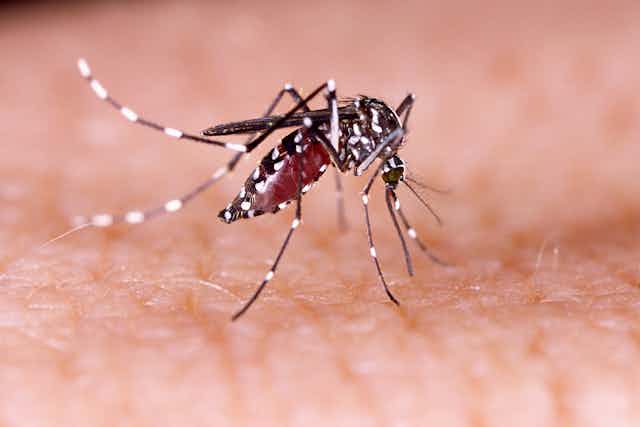
The 2024 World Malaria Report shows Nigeria still contributes 30% of global malaria cases and 23% of deaths, despite years of intervention.
Data from the Primary Healthcare Performance Initiative puts diagnostic accuracy at 36.4%, meaning fewer than four in ten patients are diagnosed correctly.
Pharmacist and health systems consultant, Akindele Opeyemi, said Malaria Rapid Diagnostic Tests,MRDTs, are underused due to weak logistics and mistrust.
He noted that prior antibiotic use and low-quality test kits often give false results, discouraging healthcare providers from using MRDTs.
READ ALSO: First lady wants further action against malaria
Nutrition expert, Mr Batet Musa, warned that treatment failure may also stem from malnutrition, as key malaria drugs require fatty meals to work effectively.
Dr Ridwan Yahaya of the Nigeria Centre for Disease Control and Prevention,NCDC, said antibiotic misuse is rising due to presumptive treatment.
To combat the trend, experts recommend enforcing the use of approved diagnostic kits, regular training for health workers, and improved community awareness.
Epidemiologist Dr Salman Polycarp suggested integrating RDTs with microscopy, especially in high-burden areas, and conducting region-specific diagnostic studies.
The country is also adopting localised approaches. Initiatives like ALAMIME and the Presidential Healthcare Value Chain project aim to boost local production of diagnostics and treatments.
Dr Tochi Okwor of the NCDC called for advanced diagnostic tools, stricter prescription rules, and better health data systems to support decision-making.
For mothers like Ameh, accurate diagnosis remains a matter of life and death. Experts insist Nigeria needs tailored, homegrown solutions to tackle the crisis.
NAN