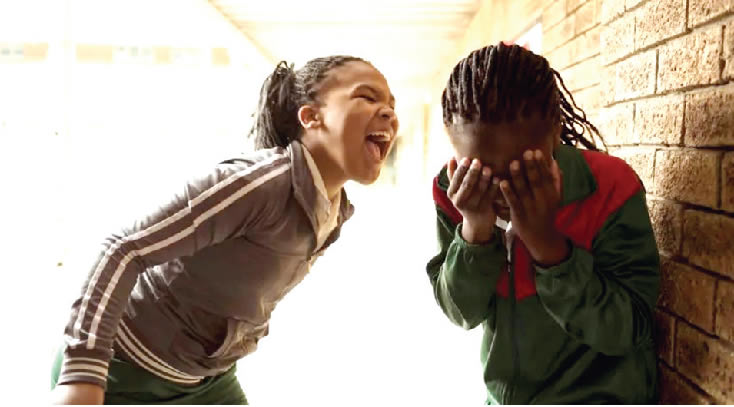
Stakeholders in the South-South education sector have raised alarms over the prevalence of bullying in secondary schools, calling for better reporting, documentation, and measures to tackle the menace.
Speaking during a survey conducted by the News Agency of Nigeria in Rivers, Akwa Ibom, and Cross River states, they emphasized the urgent need for collective action to address the issue and protect students.
Chief Bassey Akpan, a retired school principal in Uyo, described bullying as a “hydra-headed monster” within the school system. He stressed that cases often remain unreported, making it difficult to effectively combat the problem. According to him, bullying has led to severe injuries and, in some instances, deaths among students.
“Creating a safer learning environment requires school authorities to actively condemn bullying and enforce strict penalties on perpetrators,” Akpan noted.
Mr. Ubokmfon Williams, Chairman of the National Association of Proprietors of Private Schools in Akwa Ibom, highlighted that private boarding schools also face issues of bullying, often exacerbated by poor supervision. He called for teachers and school staff to be more vigilant, particularly during and after school hours when most bullying incidents occur.
Similarly,Mr. Ubokmfon Williams Executive Director of the International Training Research and Advocacy Project, argued that bullying in schools mirrors societal behaviors, where the privileged often oppress the underprivileged. “Children are merely replicating the power dynamics they observe in society,” Ejah explained, advocating for a holistic approach to reform societal values and attitudes.
READ ALSO : FG suspends 13 Enugu college students for bullying in viral video
Parents have also shared personal experiences of how bullying affects their children. Mr. Charles Inyang, a resident of Uyo, recounted discovering weeks later that his 13-year-old son had been bullied by senior students. “The lack of proactive measures to address bullying in schools sets a dangerous precedent, normalizing aggression as part of the education system,” he said.
Guidance and Counseling Expert, Mrs. Henrietta Ogoh, linked the rise in bullying to other social ills such as drug abuse and cultism. She urged schools to hold weekly seminars on anti-bullying, drug abuse, and cultism to educate students on the consequences of such behaviors.
Professor Grace Etuk, Head of the Social Works Department at the University of Calabar, emphasized the role of family background in shaping a child’s behavior. “Aggressive behaviors often stem from what children observe at home. Parents need to model peaceful interactions and teach interpersonal skills,” she said.
Mrs. Hilda Desmond, a lawyer and rights activist, stressed the importance of ensuring age-appropriate enrollment in secondary schools, as younger children often lack the emotional resilience to cope in high school environments.
Stakeholders proposed several solutions, including:
- Strengthening supervision in schools and dormitories.
- Instituting strict penalties for bullies, including suspensions and fines.
- Collaborating with security agencies and civil rights groups to raise awareness about bullying.
- Regularly sensitizing students on the dangers of bullying and promoting positive behavior.
Mr. Prince Wiro, National Coordinator of the Center for Basic Rights and Accountability Campaign, suggested that schools establish partnerships with law enforcement to ensure effective reporting and enforcement. “Unchecked bullying has far-reaching implications, from eroding societal values to sabotaging educational outcomes,” Wiro warned.
As education stakeholders push for more robust measures to combat bullying, they call on parents, teachers, and school administrators to work together to create safer, more inclusive learning environments.
Credible News.ng