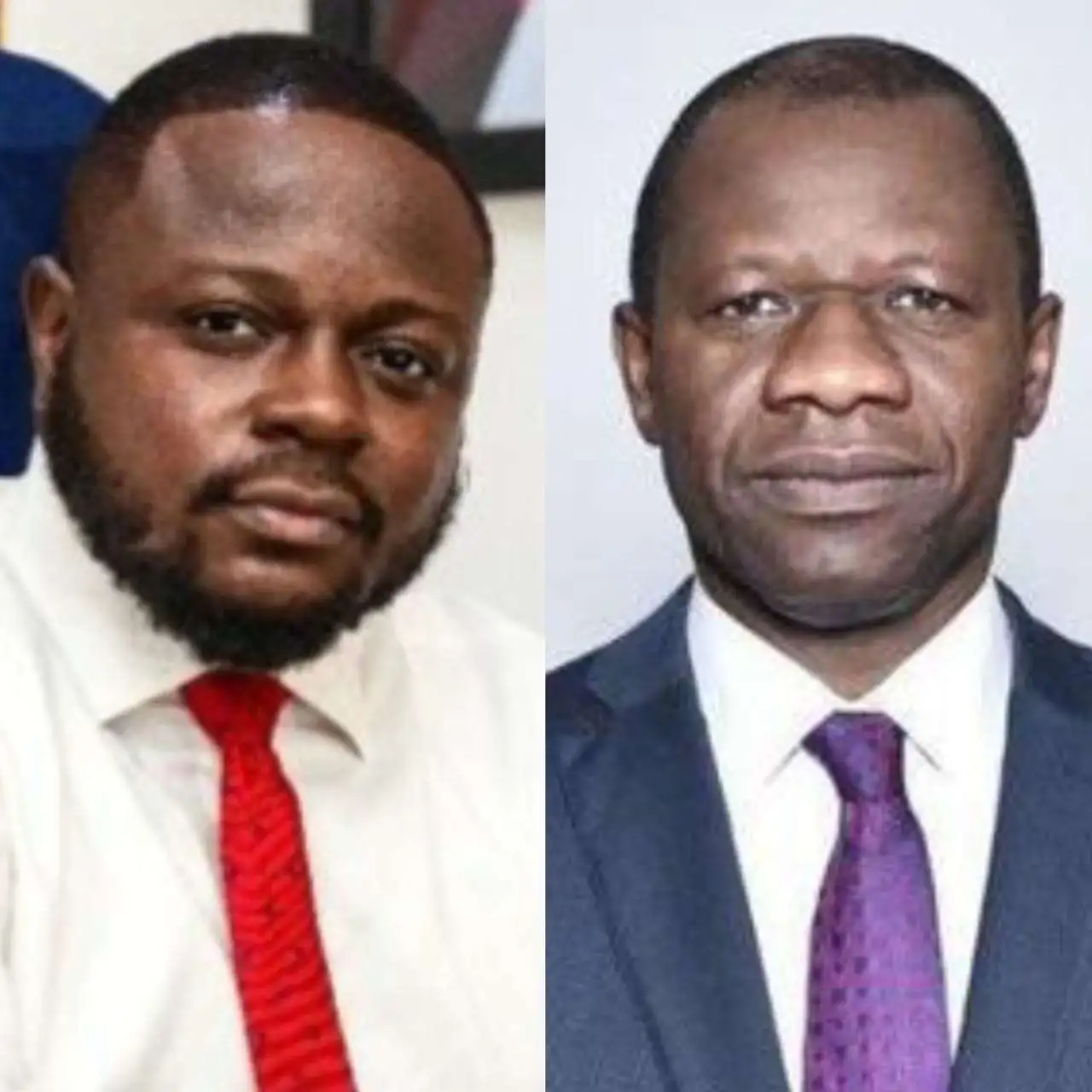
Oluwatobi Ajayi, Chief Executive Officer of Nigerian auto manufacturer Nord Automobiles, has strongly condemned Stanbic IBTC Bank for unilaterally debiting ₦700 million from his company’s account without prior notification or court approval.
The incident, which Ajayi described as “unbelievably unethical,” raises concerns over perceived institutional bias against locally manufactured vehicles in Nigeria.
The alleged debit occurred in April 2025 amidst an ongoing legal dispute concerning a Letter of Credit issued in 2022. According to Ajayi, the bank claimed that the LC, originally processed at an exchange rate between N430 and N480 per US dollar, was no longer valid. Stanbic IBTC reportedly demanded repayment at a revised rate of over N1,600 per dollar for transactions that had already been concluded.
Ajayi explained that the bank argued it had not received the LC’s dollar value from the Central Bank of Nigeria and held Nord Automobiles responsible for the difference. “While the case is ongoing, the bank illegally debited ₦700 million from our account without warning. The ambush was unbelievably unethical,” he stated.
Beyond the debit issue, Ajayi also raised concerns over the bank’s apparent refusal to finance purchases of Made-in-Nigeria vehicles. He recounted an incident where a prospective buyer seeking to acquire two Nord Max pickups was allegedly advised to consider foreign brands instead even though some of these vehicles are registered as Made-in-Nigeria under the Bureau of Public Procurement. “To my shock, the bank told our client they do not finance Made-in-Nigeria vehicles. This is economic sabotage,” Ajayi said.
He warned that such practices undermine Nigeria’s industrial growth and contradict President Bola Tinubu’s vision of building a $1 trillion economy by 2030. “Nord’s mission extends beyond profit; it is about patriotism and a long-term vision to produce world-class vehicles in Nigeria,” he emphasized.
READ ALSO:World Bank faults Nigeria’s inefficient welfare targeting
Efforts by National Waves to obtain a comment from Stanbic IBTC’s representative, Yusuf Rukayat, were unsuccessful, as calls and messages sent to the bank’s staff went unanswered.
This development highlights ongoing challenges facing Nigerian manufacturers in securing fair financial support while navigating regulatory and banking complexities, even as the country strives to boost local industrialization.