Activities at the University College Hospital, UCH, Ibadan, have been severely crippled as the indefinite strike declared by the Joint Health Sector Unions, JOHESU, enters its eighth day.
The industrial action, which began on November 17, has left several vital departments completely shut down, creating a growing crisis for patients and the hospital’s day-to-day operations.
A visit to the facility revealed an unusually deserted environment. Laboratories that normally handle large volumes of diagnostic tests were silent.
The physiotherapy and emergency units were locked, the pharmacy halls empty, and health record offices abandoned. Even the hospital kitchen—often bustling with staff preparing meals for patients—was closed.
The strike was declared by UCH’s JOHESU chapter in compliance with an instruction from the national body, which had expressed frustration over the Federal Government’s failure to address long-standing demands.
Specifically, the union seeks an upward review of the Consolidated Health Salary Scale, similar to the 2014 salary adjustments approved for doctors under the Consolidated Medical Salary Structure.
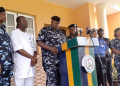
UCH JOHESU Chairman, Mr. Oladayo Olabampe, confirmed that compliance among members has been total. According to him, workers are determined to remain on strike until the government responds meaningfully.
ALSO READ: JOHESU declares strike, claims delay of new salary structure
“All members are in full compliance,” Olabampe said. “The strike is already having serious effects, as you can see.
The clinics are not running, the hospital is not admitting patients, and most of the wards are empty. We hope the government will intervene before the situation becomes too dire.”
This latest slowdown comes on the heels of another strike by resident doctors, who have been absent from duty since November 1.
Their demands include a 200 percent increase in CONMESS and full implementation of new allowances proposed in 2022.
With both doctors and JOHESU members off duty, UCH—a major referral centre in the region—has effectively ground to a halt.
Patients seeking medical help now face limited options, and many have turned to private hospitals, where costs are considerably higher. Urgent cases that would ordinarily be managed at UCH are either delayed or redirected.
The implications for public health, especially for low-income families, continue to deepen each day the deadlock persists.
Beyond the strain on the public, UCH’s internally generated revenue is projected to drop sharply due to halted admissions, cancelled surgeries, and the shutdown of service-dependent departments.
As the dual strikes continue with no resolution in sight, stakeholders are urging urgent negotiations to prevent a full-scale healthcare breakdown.
NAN