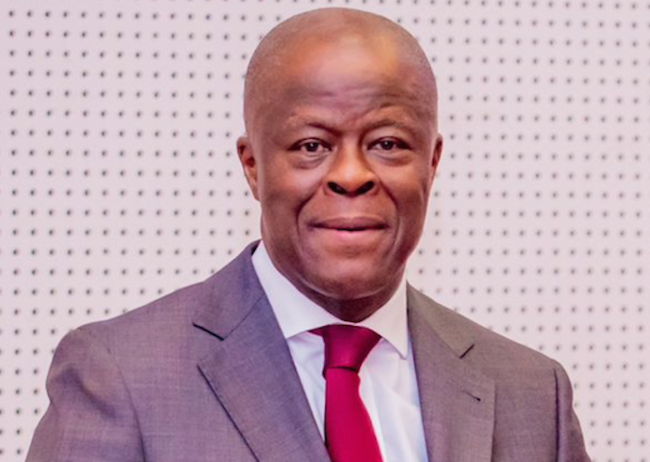
The Minister of Finance, Wale Edun says Nigeria has no immediate plans to approach the International Monetary Fund, IMF, for financial assistance.
Edun made this known at the African Finance Ministers’ briefing, during the IMF/World Bank Annual Meetings, on Thursday in Washington.
He said that the reliance on ongoing domestic economic reforms was working.
The minister said that Nigeria’s reforms over two years had restored policy credibility and strengthened resilience against global economic shocks affecting many African economies.
This comes as the United Nations Deputy Secretary-General, Amina Mohammed, warned that while Nigeria’s recent macroeconomic reforms were beginning to stabilize growth, widening inequality and persistent food insecurity risks could undermine those gains unless policy coordination and social protection are significantly strengthened.
He said: “What has happened is that for Nigeria, for instance, at this time, we are and have been in a position to allow the market mechanism to correct and to adjust to the realities of the situation, rather than resorting to administrative controls. The major gain of the macroeconomic reforms has been market pricing of major items, foreign exchange, petroleum products, etc.
“So that has been the adjustment mechanism that we have relied on, and it has meant that there has been less disruption to our trajectory.”
Also Read: Nigerian economy: Edun highlights lower food inflation, revenue surge, and promising trajectory
Edun reaffirmed that the country continued relying on internal policy measures, rather than seeking multilateral lending support at this time.
He, however, urged faster and coordinated financial assistance for African countries, amid discussions on a proposed $50 billion dollars global support package.
The minister said that Nigeria had built buffers through reforms, that several African nations remained highly exposed and required urgent external financial support.
He said that Nigeria’s reliance on market mechanisms had enabled smoother economic adjustments, reducing disruptions and sustaining the country’s macroeconomic trajectory, amid global uncertainties.
NAN