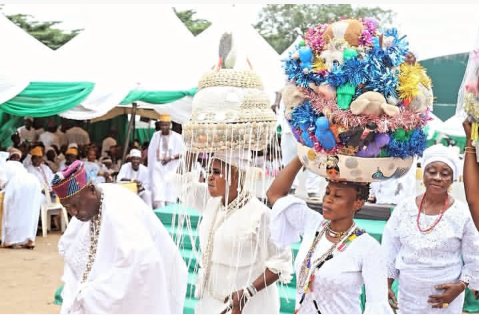
The Association of African Traditional Religion of Nigeria and Overseas, AATREN, has called for equal recognition and greater government support for Yoruba traditional religion, Ìsèse Day, saying it can contribute significantly to Nigeria’s social and cultural development.
The association made the call on Thursday in Lagos as part of activities marking Ìsèse Day, which celebrates Yoruba traditional religion, culture and indigenous heritage. Speaking with the News Agency of Nigeria AATREN’s Public Relations Officer, Lekan Ajirotutu, said traditional religion could not fully contribute to national development without adequate institutional recognition.
Ajirotutu said Ìsèse Day provides an opportunity to highlight the cultural and spiritual significance of Yoruba traditional religion and promote greater understanding of its practices and values.
He urged the government to give traditionalists representation at state functions and provide institutional consideration comparable to that accorded Christianity and Islam. “These deities, these orisas, are not fully recognized by our government,” he said.
According to him, the lack of recognition has limited the ability of traditional religious institutions to contribute effectively to addressing societal challenges and promoting positive values within communities.
He also called for government support for traditionalists seeking to preserve their religious and cultural heritage, noting that other religious groups receive institutional support for activities such as pilgrimages.
“There’s no recognition, no financial recognition, financial assistance from the government, either the states,” he said.
Also Read: Ifa worshippers caution Ooni, Alaafin against disunity in Yorubaland
The AATREN spokesperson said Ìsèse Day also provides an avenue to promote values such as communal responsibility, respect for heritage and accountability.
He explained that traditional practices play an important role in preserving indigenous knowledge and cultural values passed down from one generation to another.
Ajirotutu noted that increasing interest in Ìsèse Day and Yoruba traditional religion among young Nigerians, particularly through social media, showed that a new generation was becoming more curious about indigenous spirituality.
He said greater recognition of the activities associated with Ìsèse Day and Yoruba traditional religion could create economic opportunities in cultural tourism, traditional arts, food, fashion, music and festivals.
He added that the growing global interest in Yoruba spirituality could also provide an opportunity for Nigeria to promote its indigenous culture and heritage internationally.
According to him, custodians of Yoruba traditional religion were organizing seminars and community sensitization programmes to educate practitioners, dispel misconceptions and promote the responsible preservation of traditional religious knowledge.
Ajirotutu also urged journalists to use indigenous religious terms accurately when reporting on traditional religion, particularly by distinguishing a Babalawo from a herbalist.
He further appealed to the media to avoid portraying Èṣù as Satan, saying such representations contribute to misconceptions about Yoruba traditional beliefs.
The AATREN official stressed that traditionalists were not seeking to displace Christianity or Islam but wanted Yoruba traditional religion to receive proper recognition within Nigeria’s religious, cultural and institutional landscape.
He said Ìsèse Day should therefore serve as a reminder of the importance of preserving indigenous heritage while encouraging dialogue, cultural understanding and respect for Nigeria’s diverse religious traditions.
NAN