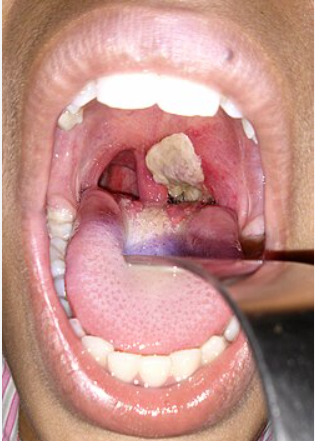
The Nigeria Centre for Disease Control and Prevention, NCDC, has urged Nigerians to strengthen vaccination, early detection and community engagement to curb the spread of diphtheria, as the country records 13,950 confirmed cases and 431 deaths this year.
Dr Tochi Okwor, Head of the NCDC’s Department of Disease Prevention and Health Promotion, made the call on Tuesday in her opening remarks at a webinar titled “Diphtheria Watch: Know It!! Stop It!” She said stronger community-level interventions were needed to close immunization gaps and ensure the early detection and treatment of suspected cases.
Okwor said routine immunization remained critical, particularly for children who had received no vaccines or had not completed the recommended vaccination schedule.
She noted that the availability of vaccines did not automatically mean every child had received them, stressing the need for stronger efforts at the community level to identify and reach children who had missed vaccination.
She called on religious and community leaders to provide information on concerns, misconceptions and barriers preventing families from vaccinating their children.
According to her, feedback from communities would help health authorities better understand public concerns and strengthen their response to diphtheria.
Okwor also urged healthcare workers to recognize suspected cases early, report them promptly and apply appropriate infection prevention and control measures.
She stressed the need to ensure that people affected by diphtheria received appropriate treatment as quickly as possible to reduce complications and deaths.
“Every stakeholder has a role, with health workers identifying suspected cases, social mobilizers finding children who missed vaccination, and community leaders addressing vaccine concerns,” she said.
She said the tools needed to prevent diphtheria already existed, but the major challenge was ensuring that they reached vulnerable populations and were used effectively.
Ms Peace Umar, Coordination Pillar Lead for Nigeria’s National Diphtheria Urgent Committee, described diphtheria as an acute, toxin-mediated infection caused by toxin-producing Corynebacterium diphtheriae.
Umar explained that the disease primarily affected the respiratory tract, although it could also occur as a cutaneous infection.
She said diphtheria was transmitted mainly through respiratory droplets produced when an infected person coughed or sneezed.
Also Read: Plateau State shuts schools to contain diphtheria outbreak
“The disease can also spread through direct or indirect contact with skin lesions, contaminated clothing and household objects,” she said.
According to Umar, the incubation period was usually two to five days but could extend to 10 days, making contact monitoring important.
She listed early symptoms as fever, sore throat, a whitish or greyish membrane in the throat, difficulty breathing or swallowing, and neck swelling.
She warned that diphtheria could cause serious complications, including damage to the heart, muscles and kidneys, and could result in death.
Umar said the risk of death was particularly high where diphtheria antitoxin was unavailable or treatment was delayed.
She noted that suspected cases required throat and nasal swab samples, preferably collected before antibiotics were administered, to support accurate laboratory testing.
“Treatment involves diphtheria antitoxin and antibiotic therapy, while suspected or confirmed patients should be isolated to prevent further transmission,” she said.
Umar advised patients who were partially vaccinated to complete their immunization, while those who had never been vaccinated should begin and complete the recommended vaccination schedule.
She added that contact tracing was essential after a case was identified, with contacts assessed, vaccinated where necessary and monitored for symptoms.
“Contacts may receive vaccination or booster doses, while appropriate preventive antibiotic treatment may also be provided,” she said.
Umar identified overcrowding, poor access to healthcare, inadequate sanitation and hygiene, incomplete immunization and low community vaccination coverage as major risk factors for diphtheria.
“Other vulnerable groups include children under 15, particularly those aged five to nine years, under-immunized communities, displaced populations, adults without adequate immunity, healthcare workers and close household contacts,” she said.
The coordinator said Nigeria recorded 17,866 suspected diphtheria cases across 26 states and 296 local government areas in 2026, with 13,950 confirmed cases and 431 deaths, representing a case fatality rate of 3.1 per cent.
She said Kano recorded the highest number of suspected cases during epidemiological weeks one to 36, followed by Yobe, Bauchi and Borno. Kano also recorded the highest number of confirmed cases.
“Since the outbreak began in 2022, Nigeria has recorded 79,454 suspected cases across 37 states and 440 local government areas, including 54,076 confirmed cases across 32 states and 300 local government areas.
“The outbreak resulted in 2,749 confirmed deaths, with a cumulative case fatality rate of 5.1 per cent, while clinically compatible cases accounted for the majority of confirmed classifications,” she said.
Umar urged Nigerians to seek prompt medical attention when symptoms occurred, report suspected cases, support vaccination and participate in community engagement efforts.
She stressed that coordinated action among health workers, community leaders, social mobilizers and the public was essential to stopping the spread of diphtheria.
NAN