By Lawal Nasir
As the drums of politics begin to sound again with the commencement of campaigns for the 2027 elections, rallies, billboards, media blitzes and display of constituency projects are set to flood the country.
While many, including media owners, see this as a harvest time, an opportunity to make money, the time is also critical for the health of the Nigerian economy.
Indeed, the campaign season is one period the Central Bank of Nigeria, CBN, always treated with trepidation. This is because campaign spending, when done in violation of the rules and regulations in the land as many Nigerian politicians are wont to do, often leads to excess liquidity which, in turn reverses the gains the apex bank is making in checkmating headline inflation in the country.
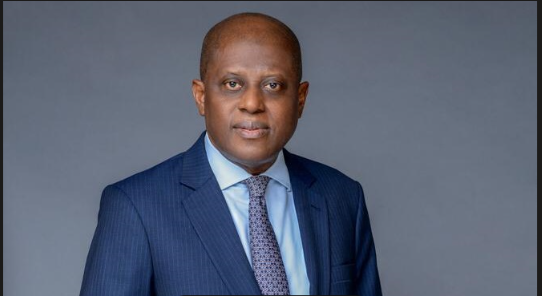
Nigerians will recall that about four months back, CBN Governor Olayemi Cardoso and some members of the apex bank’s Monetary Policy Committee, MPC, spoke about the steps being taken as part of efforts to consolidate the early signs of disinflation. One thing they all expressed concern about was election-related spending. Cardoso noted at the time that the then momentum of domestic disinflation would continue in the near term but “increased fiscal releases including election-related spending could pose upside risk to the outlook.”
He went further to say that “Growing fiscal pressures, from reduced government fiscal headroom and the approaching 2027 election cycle, warrant particular attention given the well-established link between pre-election fiscal expansion and inflation.”
Cardoso was not alone. CBN Deputy Governor, Dr. Muhammad Abdullahi, also warned at the time that “as political activities intensify ahead of the 2027 elections, increased fiscal injections and consumption spending could elevate demand-side inflation.” He noted that “the fiscal deficit has already increased significantly, and election-related spending is likely to exacerbate this trend in 2026 and early 2027.”
Another Deputy Governor Emem Usoro cautioned that “the pre-election environment increases the risk of liquidity surges, higher FX demand and a drift in inflation expectations.” That, according to her, justified “small, cautious adjustments and the retention of strong liquidity and prudential buffers.” Yet another CBN Deputy Governor Lamido Yuguda added that “potential increases in fiscal spending associated with the electoral cycle could generate demand pressures and disrupt the disinflation trajectory.”
Other MPC members, including Dr. Aloysius Ordu, Bandele Amoo, and Prof. Murtala Sagagi, echoed the same theme with regards to the pressure political spending could put on the naira. Sagagi said: “The primary domestic risks are fiscal slippage and the possibility of election-related spending.”
So, the message from the apex bank’s leadership and other critical stakeholders was unanimous months before the Independent National Electoral Commission (INEC) gave political parties the nod to kick off the campaign season in line with the timetable for the 2027 general elections covering the presidency, National Assembly, governorship and State Assembly positions.
Campaign spending and the law
The Electoral Act is clear when it comes to spending limits and the conduct of campaigns. Under Section 88 of the Electoral Act, no political party or candidate can spend above the limits set by INEC. The current limits are ₦10 billion for presidential, ₦3 billion for governorship, ₦500 million for Senate, ₦200 million for House of Representatives, and ₦50 million for State Assembly candidates. This covers all expenses ranging from advertisements, rallies, mobilization, media, printing, transport, gifts, etc. It also capped donations by individuals and corporate entities.
Also Read: CBN reports N930bn drop in banking system liquidity
Political parties and their candidates were also required by the rules and guidelines open a dedicated campaign account in a Nigerian bank for the election where all donations and spending must pass through. They are also required to keep proper records of all donations and expenses as well as submit a report to INEC within six months after the election, audited and signed, among other requirements.
Sadly, Nigerian politicians have a notorious record of violating spending limits and circumventing the cashless policy by pushing physical cash outside the financial system during campaigns. This is in spite of the penalties, which include fines and or imprisonment, prescribed in the Electoral Act for candidates, political parties for exceeding the spending limits.
Perhaps this is where the Economic and Financial Crimes Commission, the Independent Corrupt Practices and Other Related Offences Commission, and Nigeria Financial Intelligence Unit need to intervene in line with their establishment mandates. If offenders are prosecuted under the provisions of the Money Laundering Act and the Terrorism Financing Act, etc, we will begin to see real changes. Because the intent of the law is to prevent a money-driven, lawless election that overheats the economy and fractures the polity. That is precisely what the CBN is worried about.
How election spending fuels inflation
I know there may be some people who wonder how election spending affects the economy. But the explanation is simple. When politicians spend billions in a short period, the money does not disappear or vanish. It enters the economy as cash for rallies, transport, mobilization, gifts, and even vote-buying. This leads to a sudden surge in demand for goods and services without a corresponding increase in supply. Economists call this demand-pull inflation because it pushes up prices of food, transport, and basic items that ordinary Nigerians already struggle to afford.
At the same time, election spending increases demand for foreign exchange, an area where the CBN has restored sanity and checkmated volatility. When politicians and their agents source dollars to fund campaigns, travel, and logistics, pressure is put on the naira and a weaker currency makes imported food and fuel more expensive, feeding directly into headline inflation.
Also, excess liquidity from fiscal injections undermines the CBN’s tight monetary policy. The bank can raise interest rates all it wants, but if the fiscal side is pumping money into the system for politics, the effect is cancelled out. This is actually something know to financial experts and analysts. Election years in Nigeria are almost always followed by spikes in inflation. So, if we are not careful, the 2027 election cycle could wipe out the progress being made against inflation, certainly not when families are just beginning to feel some relief.
The gains we can’t afford to lose
Nigerians, therefore, must understand what is at stake. Disinflation, as the CBN noted, is being supported by the lagged effect of previous rate hikes, stability in the foreign exchange market, and improved food supply. If election spending triggers liquidity surges and forex pressure, two of those three pillars collapse. Food prices, which have been the biggest driver of inflation, will rise again. Interest rates may have to stay higher for longer, making credit more expensive for businesses and homeowners. Investors, both local and foreign, will lose confidence.
Therefore, this is an appeal to all political actors to respect the law on campaign finance because they are not mere suggestions. We as voters must also reject money politics. Civil society and the media must monitor campaign spending and call out violations. In any case, the 2027 elections will come and go, but the cost of inflation it may trigger will last much longer. Cardoso and his MPC colleagues have given us fair warning. Let us all heed it.
*Nasir is based in Abuja