The Bill & Melinda Gates Foundation will spend at least $1 billion over the next two years to help poorer countries deploy artificial intelligence in healthcare, education and agriculture, as concerns grow that the technology could deepen existing global inequalities.
The commitment, announced alongside the foundation’s 2026 Goalkeepers Report, will support the development and deployment of AI tools tailored to communities that are poorly represented in existing technology.
The initiative will target health workers, teachers and farmers while expanding access to AI in languages that receive limited representation in leading models.
The report warns that AI systems built largely around the data, languages and priorities of wealthy countries risk leaving much of the developing world behind.
More than 90 per cent of the information used to train early large language models came from English-language sources, according to the report.
The imbalance is particularly significant in Africa, which has more than 2,000 languages but limited representation in the datasets used to develop many popular AI products.
The foundation has not disclosed how much of the $1 billion will be allocated to Africa or released a full list of participating countries. The commitment, therefore, should not be characterized as a $1 billion Africa fund.
However, Africa is expected to feature prominently because many of the challenges targeted by the programme, including shortages of doctors and teachers, weak agricultural advisory services and limited access to information in local languages, are particularly acute across the continent.
The new commitment expands work already under way in Africa and is intended to introduce AI tools into as many as 1,000 primary healthcare facilities and surrounding communities by 2028.
Also Read: Buffett halts Gates Foundation donations over Epstein ties
The programme is expected to help health workers with clinical decision-making, administrative tasks and the management of limited resources.
Its effectiveness will depend partly on whether the technology can function in facilities affected by unreliable electricity, poor internet connectivity and shortages of trained personnel.
These constraints distinguish many of Africa’s AI needs from debates in wealthier economies, where discussions often focus on advanced computing infrastructure and the potential replacement of white-collar jobs.
For many African countries, the immediate question is whether AI can extend essential services that are already in short supply without increasing dependence on foreign technology companies.
In agriculture, locally designed AI systems could provide smallholder farmers with information on pests, weather conditions and crop diseases.
In education, teachers could use AI to develop lessons in children’s first languages, while health workers could receive diagnostic and administrative support in facilities with limited access to doctors.
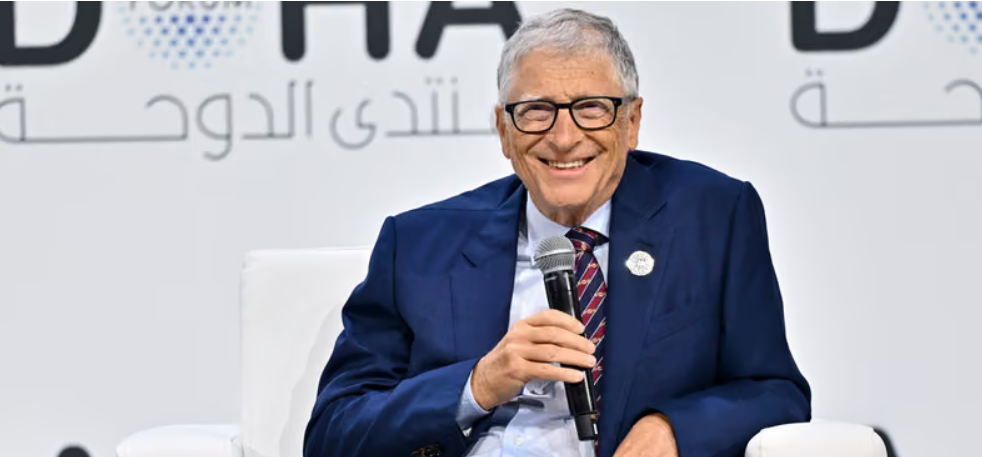
Bill Gates said AI could improve the lives of the world’s poorest people if access to the technology is distributed fairly. In an interview with Reuters, he also warned that governments were poorly prepared for its potential effects on employment, security and society.
The $1 billion commitment is aimed at expanding access, but it also raises questions about ownership and control of the technology and data it generates.
African governments and companies will need to determine who owns data collected through health, education and agricultural systems, where the information is stored and whether locally developed products can remain viable after philanthropic funding ends.
The scale of the announcement is substantial by philanthropic standards but remains small compared with the tens of billions of dollars being invested in AI infrastructure by major technology companies and wealthier nations.
Business Insider Africa