The Federal Government has said it will not go back to the fuel subsidy regime. It says Nigeria is now seeing the gains of the tough economic reforms it began in 2023.
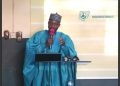
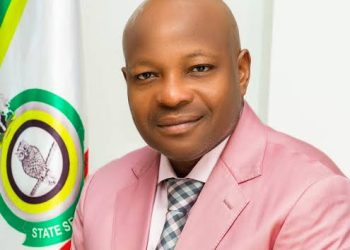
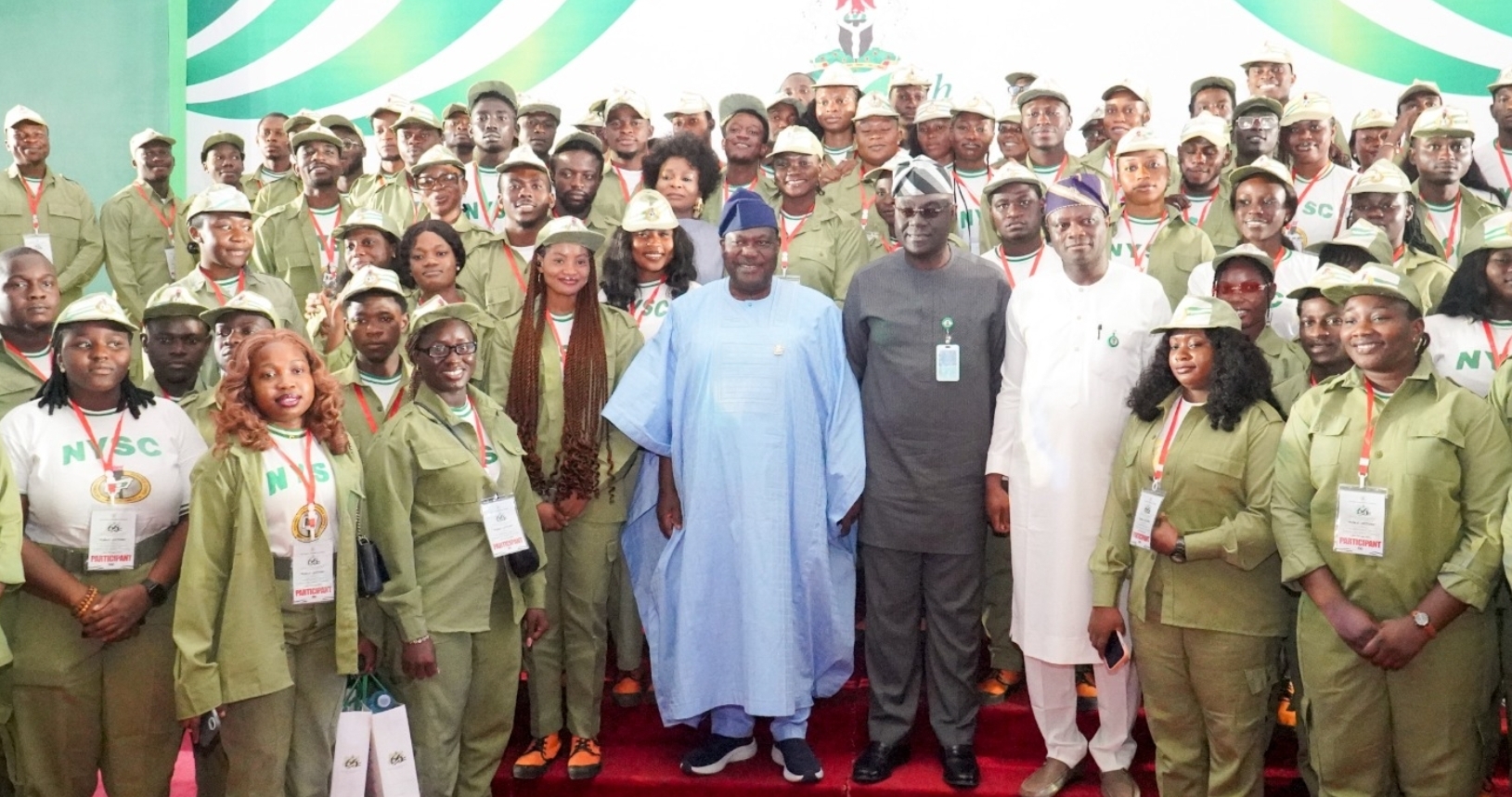
The Secretary to the Government of the Federation, SGF, Sen. George Akume, gave the assurance on Wednesday in Abuja at the 66th Independence Anniversary Lecture, held at the Banquet Hall of the State House as part of events marking the country’s Oct. 1 anniversary.
The lecture’s theme was “From Reforms to Stability: Consolidating Nigeria’s Renewed Hope for Shared Prosperity.”
Akume said the administration of President Bola Tinubu acted quickly when it took office. He said it removed the fuel subsidy, unified the foreign exchange market and began tax and other fiscal reforms “to save the nation from imminent collapse.”
“These were difficult decisions, but necessary to rebuild stability, and we have started enjoying the results,” he said.
He cited the World Bank, which he said reported real GDP growth of 4.2 per cent in the first half of 2026, up from 3.9 per cent a year earlier. He added that the next task was “to ensure that growth translates into jobs and higher incomes for all Nigerians.”
Fuel Subsidy will not return
Akume said the government would speed up cleaner and cheaper energy options instead of bringing back fuel subsidy. He described the old subsidy regime as “ruinous.”
He said more than 120,000 vehicles had been converted to Compressed Natural Gas (CNG). He put the number of conversion centres at over 400 and fuelling stations at 90 across the country. He said CNG buses were carrying millions of passengers at fares far below those of petrol buses.
On power, the SGF said the government had cleared legacy debts in the sector, increased investment and improved transmission and billing.
Akume said the past three and a half years had seen “massive investment in infrastructure.” He named the Lagos–Calabar Coastal Highway, the Abuja–Kano Road and the East–West Road. He said rail and port modernisation were also under way.
Also Read: Fayemi equates Atiku’s subsidy plan to Muslim-Muslim ticket gamble
He added that the government was expanding mortgage finance to help Nigerians buy homes and to create jobs.
On food security, Akume said the World Bank had approved a $500 million credit for the Nigeria Sustainable Agricultural Value-Chains for Growth (AGROW) project. He said the project would raise smallholder productivity and strengthen value chains.
He said the government was supporting mechanisation, irrigation, improved seeds, fertiliser, silos and local processing. “We are determined that our people eat what we grow,” he said.
The SGF said more than 60 per cent of Nigerians are under 25. He said the Education Loan Fund had been expanded, and technical and vocational institutes were being strengthened.
“Our young people are not just leaders of tomorrow – they are partners in building Nigeria today,” he said.
He also cited the IMPACT primary healthcare initiative; social safety-net programmes, including NG-CARES Additional Financing, SOLID and HOPE, which he said are backed by the World Bank and federal funds
On security, Akume said the government was giving troops and police better equipment, intelligence and coordination. He said it had launched a new National Threat Assessment and a five-year Strategic Defence Plan.
“Development and security go hand in hand – a community with prosperity has more to lose from disorder,” he said.
He called the lecture “a call to duty to all Nigerians to rise up for the good of the people and the nation.”
Idris: Media must anchor discourse on facts
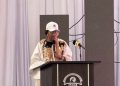
The Minister of Information and National Orientation, Alhaji Mohammed Idris, gave the welcome remarks. He said the reforms of the past three years “have demanded sacrifice and patience from Nigerians.” He added that they had begun to correct “longstanding structural weaknesses.”
Idris said the economy grew by 4.43 per cent in the second quarter of 2026. He also said domestic refining capacity was expanding, and investment was returning to critical sectors.
“Our goal is clear: to turn reform into stability, stability into growth, and growth into a new era of shared prosperity,” he said.
He urged the media, “particularly as we approach another electoral cycle,” to promote public discussion “anchored on facts, verification and national cohesion.”
“Political differences are legitimate in a democracy; they must never diminish our common identity as Nigerians,” Idris said.
He said Nigeria “remains a continuing project” at 66, with each generation receiving the baton and passing it on.
Crediblenewsng.com