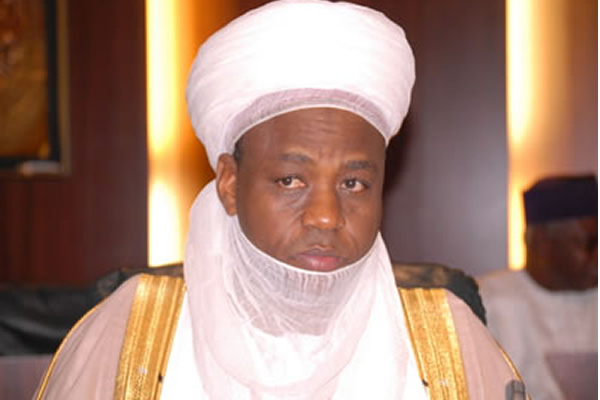
The Nigerian Supreme Council for Islamic Affairs, NSCIA, has directed Chief Imams across the country to dedicate Friday sermons to Ebola awareness and prohibited family members and ordinary burial attendants from washing or handling the bodies of people who die from the disease.
In a public health advisory issued by its Secretary-General, Prof. Is-haq Oloyede, the council said the measures followed the confirmation of Ebola Virus Disease in Nigeria.
The NSCIA urged Chief Imams, state councils and Muslim organizations to intensify public enlightenment and support efforts to prevent the spread of the potentially fatal disease.
The directive followed the Federal Government’s confirmation of an imported Ebola case caused by the Bundibugyo virus in the Federal Capital Territory, FCT, Abuja, with 44 close contacts identified for monitoring.
Funeral rites under new rules
The council’s advisory placed particular emphasis on burial procedures, directing that the bodies of suspected or confirmed Ebola victims must not be washed or handled by family members or ordinary burial attendants.
It said authorized health personnel should conduct safe and dignified burials in consultation with Islamic authorities.
Although Islamic funeral rites ordinarily involve washing the deceased’s body, Ebola prevention guidelines require special precautions because the virus can spread through direct contact with the body fluids of infected people, including after death.
The NSCIA also advised people suspected of having Ebola to avoid mosques and other gatherings until they had undergone medical assessment.
It urged worshippers to practice regular handwashing, maintain clean surroundings and avoid contact with potentially infected body fluids.
No approved vaccine for the Bundibugyo strain
The council noted that there was no approved vaccine or specific curative treatment for the Bundibugyo strain responsible for the outbreak.
However, it stressed that early detection, prompt medical care and strict preventive measures could improve survival and help curb transmission.
The World Health Organization, WHO, has similarly stated that no licensed vaccine or approved specific treatment is available for Bundibugyo virus disease, making early detection, infection prevention, contact tracing, safe burials and community engagement crucial to controlling its spread.
The NSCIA reminded Muslims that preserving life, known as Hifz al-Nafs, is a fundamental objective of Islamic law. It cited the Qur’anic injunction, “And do not throw yourselves with your own hands into destruction” (Qur’an 2:195), and the prophetic teaching that “there should be neither harm nor reciprocating harm.”
It said taking preventive measures and seeking medical attention were consistent with Islamic teachings and reliance upon Allah.
The council advised anyone experiencing suspected symptoms after possible exposure to avoid contact with others and call the Nigeria Centre for Disease Control and Prevention’s, NCDC, toll-free emergency line, 6232.
It warned against attempting to treat suspected cases at home or transporting patients without guidance from health authorities.
The NSCIA also urged Muslims to cooperate with contact-tracing efforts and public health directives, avoid spreading rumors or promoting unverified remedies, and refrain from stigmatizing affected persons.
State councils and Muslim organizations were asked to circulate the advisory widely and sensitize their communities without creating panic.
Also Read: WHO confirms 8,728 Ebola cases, 4,205 deaths in DRC
What is known about the Nigerian case
The patient, a woman who arrived in Nigeria from Uganda on October 5, began feeling unwell two days later. She sought treatment at a private hospital in the FCT on October 11 for malaria-like symptoms and was tested for Ebola on October 19.
Odianosen Ehiakhamen, an assistant director at the NCDC, provided the details during a briefing with Arise TV.
The woman is in isolation and receiving medical care. Most of the 44 contacts identified so far are healthcare workers, while others include patients, caregivers and travel contacts.
The contacts include the patient’s husband, a Swiss national residing in Abuja, Reuters reported. Authorities are also tracing passengers who travelled with her on the same Ethiopian Airlines flights, although officials do not believe she was symptomatic while travelling.
Uganda’s health ministry said the woman had travelled to the Democratic Republic of the Congo, DRC, adding that travel through Uganda did not establish that the infection originated there. The ministry also said Uganda had no confirmed active Ebola cases.
Regional outbreak continues
The DRC is responding to its 17th Ebola outbreak, declared on May 15, 2026, in Ituri Province and caused by the Bundibugyo virus.
The WHO Director-General has classified the outbreak as a Public Health Emergency of International Concern, while the agency has advised against imposing international travel and trade restrictions.
More than 8,700 confirmed cases and over 4,200 deaths had been reported in the DRC as of October 6. The WHO’s October 8 outbreak update recorded a further 775 confirmed cases and 379 confirmed deaths since late September.
Kenya, which confirmed its first imported case on October 6, has since reported nine cases, including three healthcare workers.
Nigeria last recorded an Ebola outbreak in 2014, when an infected traveler from Liberia arrived in Lagos. The country recorded 19 confirmed cases and one probable case, with eight deaths. The WHO declared Nigeria free of Ebola transmission on October 20, 2014.
Health Minister Muhammad Ali Pate has said Nigeria has the experience and public health systems needed to respond to the latest case, while emphasizing that containment depends on public cooperation. The Federal Government has also urged public and private health facilities nationwide to remain on high alert.
The NSCIA concluded its advisory with a prayer asking Allah to protect Nigeria, heal those affected and safeguard humanity from the disease.
CREDIBLENEWSNG.COM