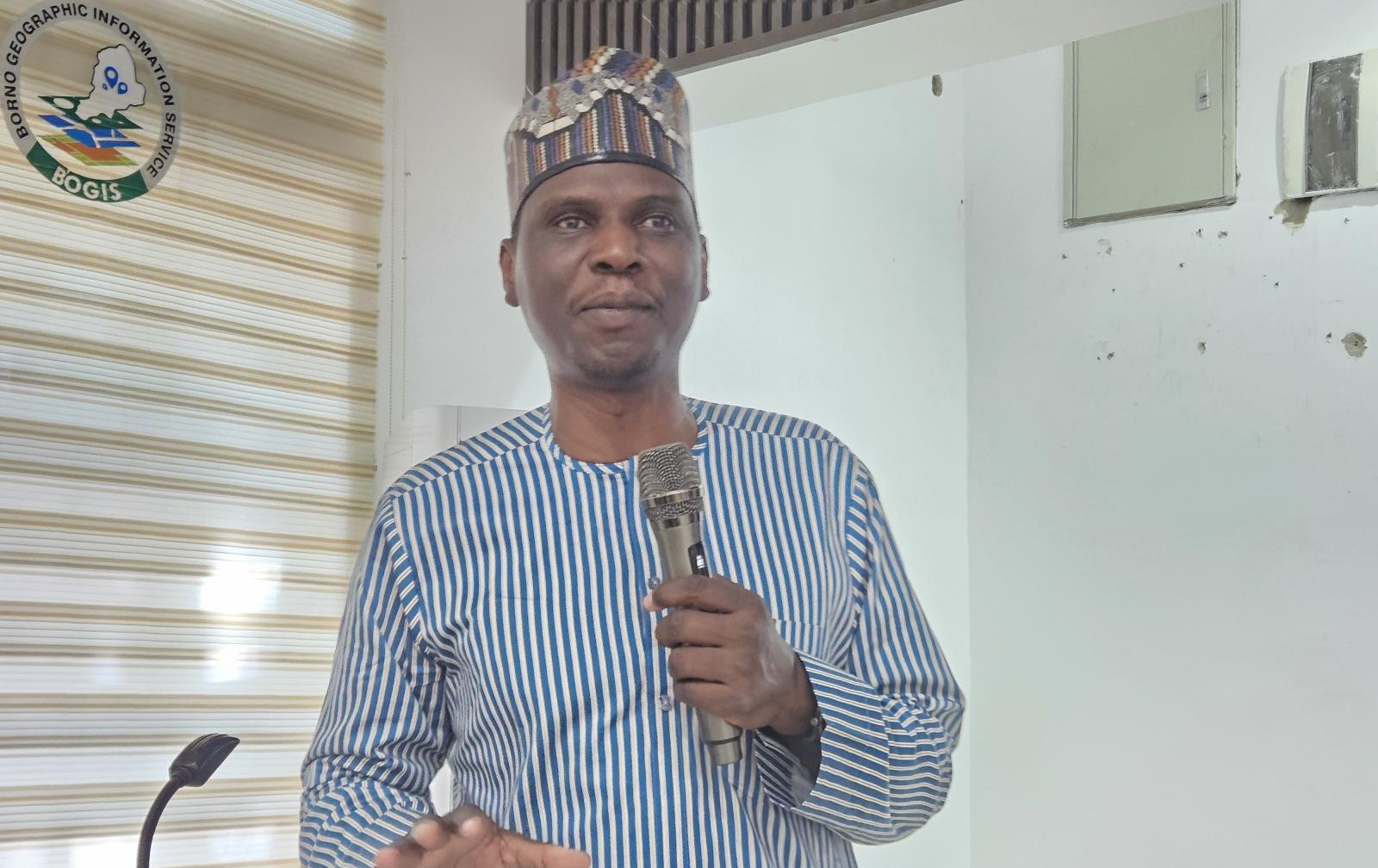
Borno State Government has enrolled more than 300,000 civil servants and non-civil servants in its contributory healthcare scheme as part of efforts to improve access to affordable healthcare services across the state.
The Executive Secretary of the Borno State Contributory Health Management Agency, Dr. Saleh Abba told Channels Television that the scheme is designed to provide basic healthcare services to people in both formal and informal sector with particular attention on vulnerable groups who may face difficulties accessing medical care.
Dr. Abba explained that beneficiaries include pregnant women, children under the age of five, people living with HIV/AIDS and sickle cell disease, as well as other vulnerable individuals living with chronic illnesses.
He added that the initiative has been expanded to include mental health support and healthcare services for people living with mental health conditions.
The programme is part of the state government’s broader efforts to strengthen healthcare delivery, reduce financial barriers to medical services and ensure that more residents have access to essential healthcare.
While all Nigeria’s 36 states run health insurance scheme, only nine states describe enrolment as mandatory for all residents, namely Lagos, Kwara, Niger, Delta, Edo, Akwa Ibom, Imo, Zamfara and Bauchi. Five require it only for public or civil servants. These are Oyo, Osun, Nasarawa, Kaduna and Katsina. Cross River, Enugu and Anambra have legal compulsion but have not fully enforced it.
The remaining states and the FCT run contributory or voluntary schemes. The FCT is structurally distinct: its Health Insurance Scheme operates, but the bill establishing a statutory agency was still awaiting presidential assent in April 2026.
Credible News reports that, the National Health Insurance Authority Act of 2022 made insurance mandatory nationwide and required state schemes under NHIA regulation, spurring agency creation. Most state laws passed between 2016 and 2021, but implementation has varied: Rivers signed its law in June 2021 and approved implementation only in January 2024; Cross River began enrolling civil servants in September 2026.
Enrolment and Coverage
Enrolment is growing quickly from a low base. The Federal Ministry of Health and Social Welfare’s 2025 State of Health of the Nation Report recorded 21.7 million insured people, up from 19.2 million in 2024—roughly 10 per cent of the population. State agencies covered more than 14 million by April 2026; separate first-quarter 2026 figures put total coverage above 22 million. The Basic Health Care Provision Fund enrolled about 2.7 million poor and vulnerable Nigerians across 8,309 supported primary health centres.
Enrolment, however, does not guarantee care. Out-of-pocket payments still represent 71.9 per cent of current health expenditure, while about 93 per cent of employed Nigerians work informally, limiting reliance on payroll deductions. At the maiden National Summit of State Social Health Insurance Agencies in Akure in June 2026, NHIA Director-General Dr Kelechi Ohiri called for “effective coverage”: household protection and risk pooling, not enrolment numbers alone
Crediblenewsng.com