The Independent National Electoral Commission, INEC, has endorsed a voluntary Code of Conduct to guide the independent tabulation and publication of election results ahead of the 2027 general elections.
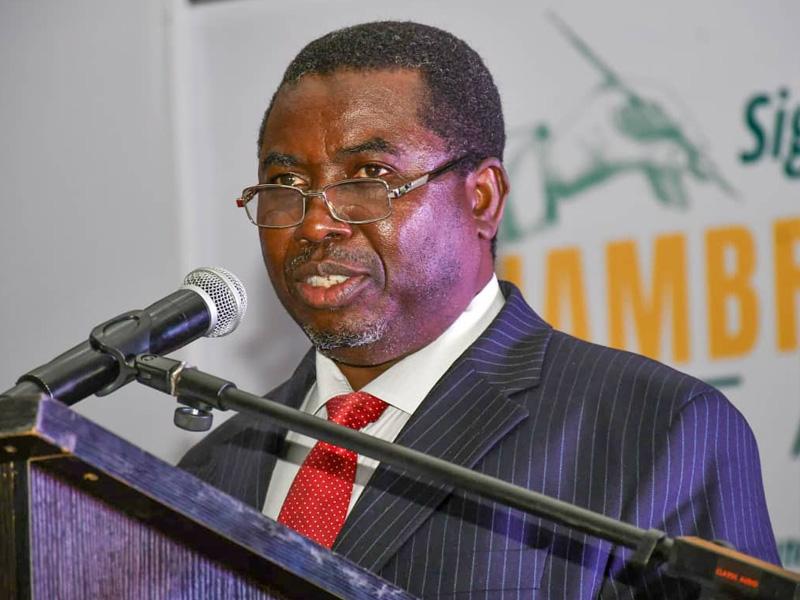
INEC Chairman, Prof. Joash Amupitan, on Thursday in Abuja announced the commission’s support, which was disclosed by the Executive Director of Yiaga Africa, Samson Itodo.
According to Itodo, Amupitan, represented by INEC’s Director of Information and Communication Technology, Dr Lawrence Bayode, said the proposed code would promote transparency and strengthen public confidence in the electoral process.
He cautioned that independently collated figures, projections and partial results must not be presented as official election results.
“Independent verification should complement electoral accountability, not create competing centres of statutory authority,” the INEC chairman stated.
Amupitan identified six guiding principles for the framework, including methodological integrity, accuracy, information integrity, data security, accountability for errors and voluntary compliance.
Itodo explained that independent result tabulation allows citizens to scrutinise election outcomes and evaluate the credibility of the electoral process.
Also Read: INEC allays fears over BVAS, offline result uploads
He, however, warned that differences in methodologies and publication standards could create confusion during sensitive result collation periods if not properly coordinated.
He said a common code would establish minimum standards, discourage premature declarations and ensure that findings are supported by reliable verification.
According to Itodo, Yiaga Africa is expected to lead further consultations to transform the agreed principles into a practical framework before the 2027 general elections.
Participants at the roundtable included civil society organisations, political parties, election observers, the National Broadcasting Commission and the Broadcasting Organisations of Nigeria.
Representatives of the Nigerian Press Council and the Nigeria Union of Journalists also attended the meeting.
Stakeholders examined different result tabulation models, including Yiaga Africa’s Processing Results Voter Tabulation and Election Results Analysis Dashboard, as well as aggregations from INEC’s Result Viewing Portal.
They agreed that organisations involved in independent result tabulation must clearly disclose their methodologies, data sources and margins of error to prevent public misunderstanding.
A technical session also emphasised the importance of human verification, audit trails, data security and transparent procedures for correcting errors.
Media stakeholders, meanwhile, stressed the responsibility of journalists to verify figures and clearly distinguish independent tabulations from official results declared by INEC.
NAN