Senior figures at three Premier League clubs are advocating a compulsory sale of Manchester City as punishment for alleged financial rule breaches by its owners, BBC Sport reports.
The executives believe that fines, points deductions or other sporting sanctions would be insufficient without removing the club’s ownership, arguing that allowing the Abu Dhabi-backed owners to remain would undermine efforts to restore the Premier League’s credibility.
The calls come as the Independent Football Regulator, IFR, considers its potential role in taking action against City, with its chair, David Kogan, recently declaring that he has the “stomach” to act against the club.
City deny wrongdoing and have appealed against the findings of an independent commission, which found them guilty of breaching Premier League financial regulations between 2009 and 2018, as well as failing to cooperate with the investigation.
The commission is yet to determine the appropriate sanctions, which could range from a fine or points deduction to the stripping of previous titles or expulsion from the league.
However, speaking anonymously to BBC Sport, executives from three top-flight clubs said they believed forcing City’s owners to sell was necessary to ensure meaningful accountability.
One executive said they were part of a group of clubs that considered any punishment inadequate unless it resulted in a change of ownership.
They added that anything less would raise questions about why clubs were contributing financially to the regulator through a levy.
Another executive said the breaches had damaged the league’s credibility and that their club would struggle to move past the scandal if the current owners were allowed to remain.
The commission found that City had inflated revenues and concealed losses amounting to £900 million through what it described as “sham” commercial arrangements.
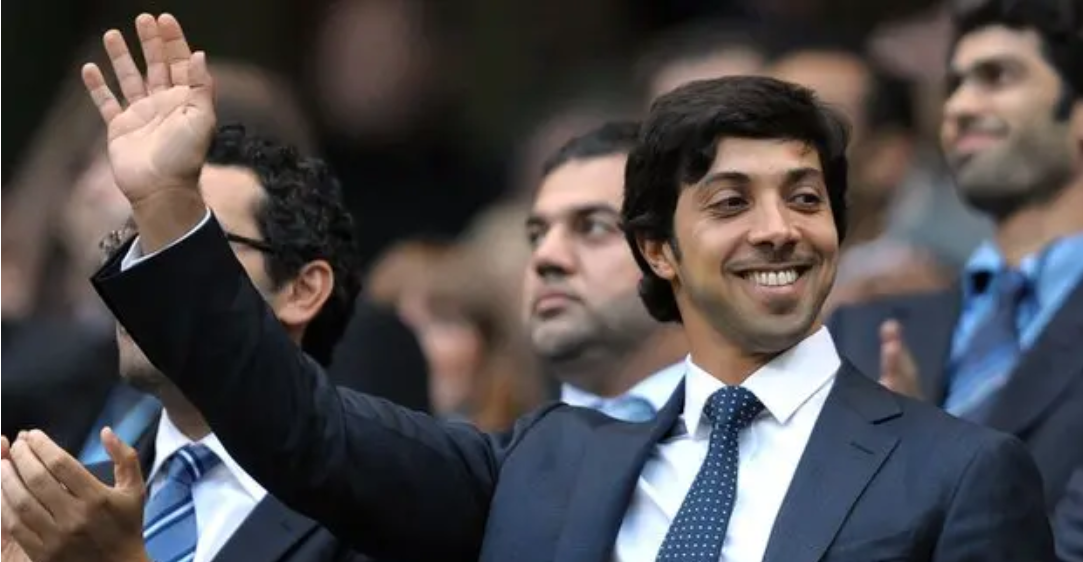
The club is owned by Abu Dhabi United Group, a private investment company belonging to Sheikh Mansour, Vice-President and Deputy Prime Minister of the United Arab Emirates.
The executives also disclosed that the Premier League had asked clubs to avoid publicly commenting on potential sanctions and allow the process to run its course. However, some clubs are understood to have privately communicated their positions to IFR officials.
While some clubs favour the harshest possible punishment, others have reportedly adopted a less vocal position. Several clubs approached by the BBC either declined to comment or said they would allow the independent commission and regulator to reach their own conclusions.
The demand for a forced sale, an unprecedented measure in English football, is expected to increase pressure on Kogan and the regulator as they face a significant test of their authority barely a year after the watchdog was established.
Also Read: Portugal keeps Man City whistle blower under protection
The potential consequences also extend beyond football, with concerns that action against City’s owners could affect wider trade and investment ties between the UAE and the United Kingdom.
In September, Prime Minister Andy Burnham faced criticism after expressing concern that the scandal could lead to the club’s sale, saying its owners had been major partners in the development of modern Manchester.
The IFR declined to comment when approached by the BBC. However, Kogan has repeatedly maintained that the regulator would not be deterred by political pressure.
Earlier this week, he told a parliamentary committee that the watchdog would not hesitate to investigate City’s ownership and take appropriate action if the circumstances warranted it following the appeal.
“Forget the name of the club, forget the size of the club, forget the scale of the issue. We cannot simply ignore our statutory duties in relation to a club because it happens to be of a certain size,” Kogan said.
He added that the regulator would act based on the evidence presented by the Premier League’s independent commission and any subsequent judgment arising from the appeal.
Kogan also questioned the purpose of having a football regulator if it failed to act when required, insisting that the watchdog would have the “stomach” to enforce the law where necessary.
Meanwhile, IFR chief executive Richard Monks told MPs that the regulator was building a £2 million litigation reserve over the next two years through contributions from clubs.
Monks explained that the reserve could be insufficient to cover a major legal battle involving a club, in which case the government had agreed to provide additional funding through a loan arrangement.
He said the regulator expected to recover the costs if successful in court, adding that any unrecovered expenses would ultimately be passed on to clubs through the levy.
Last month, it emerged that the IFR would cost clubs across the top five divisions of English men’s football £20.3 million annually.
Separately, Premier League clubs voted last week to cover the legal expenses of five members of its board if they face lawsuits from City’s commercial partners.
Two UAE-based companies, Etihad and Etisalat, have indicated that they are considering legal action against the Premier League.
Under Section 34 of the Football Governance Act, the IFR has the authority to investigate whether a club owner meets the required standards of suitability, including honesty, integrity and financial soundness.
Where an owner fails the assessment, the regulator can direct them to take reasonable steps to relinquish ownership within a specified period. Failure to comply could result in an ownership removal order.
Manchester City, which was approached for comment, has previously rejected the commission’s findings, describing its ruling as containing “clear material errors, of law, principle and fact” and therefore unsafe. The club also maintained that it had submitted a comprehensive body of evidence supporting its position.
BBC