The European Union says it is set to invest 37 million Euros into Nigeria’s power sector.
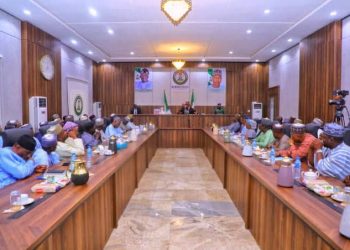
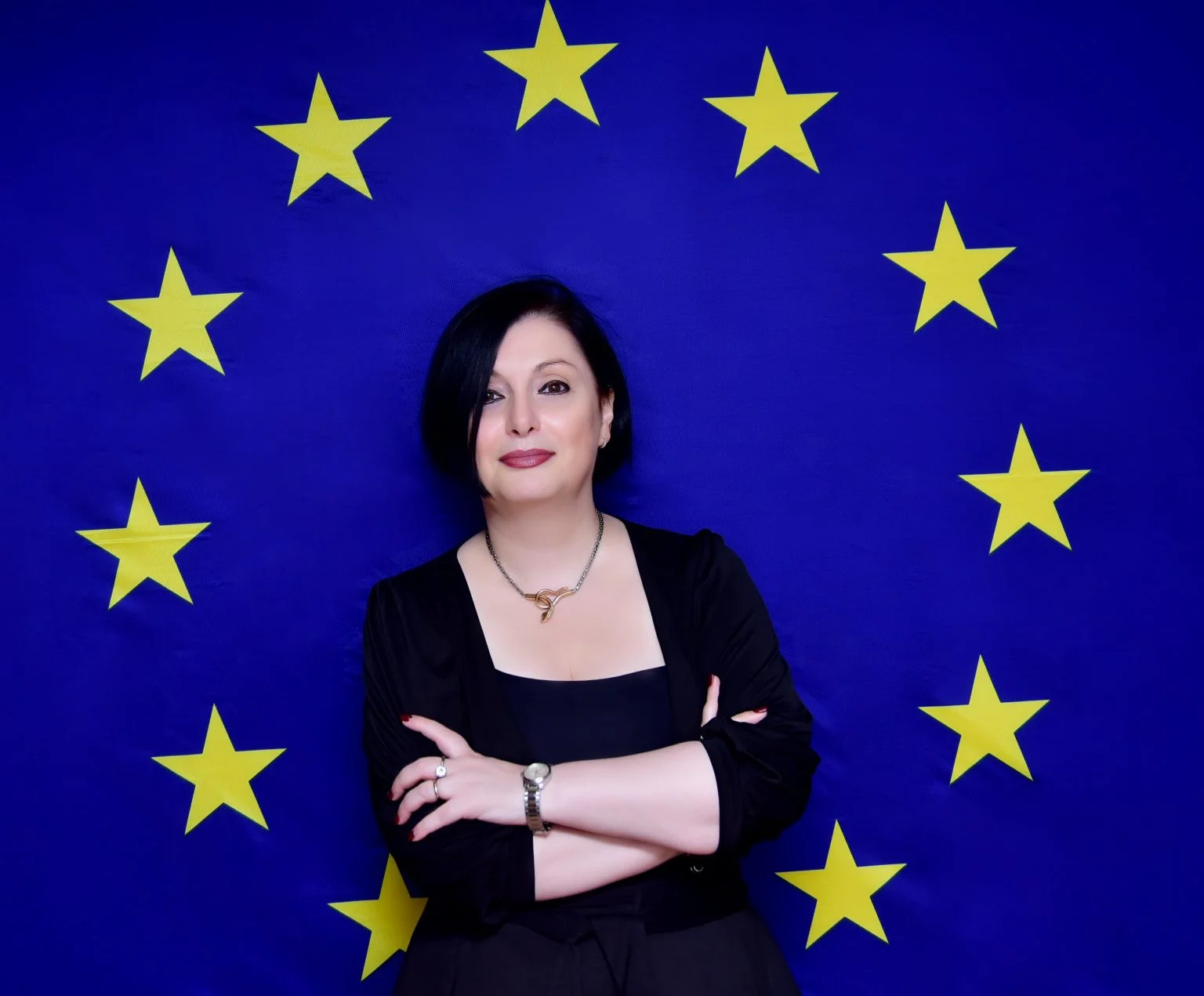
The EU Head of Mission to Nigeria, Amb. Samuela Isopi, said this when she visited the Minister of Power, Mr. Adebayo Adelabu, on Friday in Abuja.
She was accompanied by the new Head of Cooperation of the EU, Mr. Luca Massimo, and Mr Godfrey Ogbemudia, Programme Manager on Energy.
Isopi said that the money was apart from the about 200 million Euro grants invested in the sector since 2008.
Reviewing the EU’s various intervention programmes in the power sector, the Envoy said that the current support would cover small hydropower and solar for healthcare facilities.
Other areas to be covered in the current intervention are rural electrification with isolated and interconnected mini-grid projects and a circular economy.
She said the projects would commence soon.
Isopi also used the opportunity to invite the minister to the upcoming inauguration of two projects funded by the EU and implemented by the United Nations Industrial Development Organisation.
Read Also:
AEDC issues apology for power interruption, promises updates
The minister, who received the ambassador in the company of his Chief Technical Advisor, Mr. Adedayo Olowoniyi, expressed appreciation to the EU for the support it has been giving to the sector.
Adelabu said that more support was needed to address the enormous challenges in the sector.
He said that the issue of liquidity was the main problem that the government was trying its best to resolve.
The minister said that the market would only be sustainable and run efficiently when there is a cost-reflective tariff in place.
He was pleased with the EU programmes for the sector and confirmed their alignment with the ministry’s strategy.
The minister promised to work with the EU on its programmes, especially on small hydroelectric and state electrification projects within the new Electricity Act.
Credible News recalls that the Nigerian Electricity Supply Industry has continued to battle power outages and other challenges in the past ten years, despite privatization in 2013.