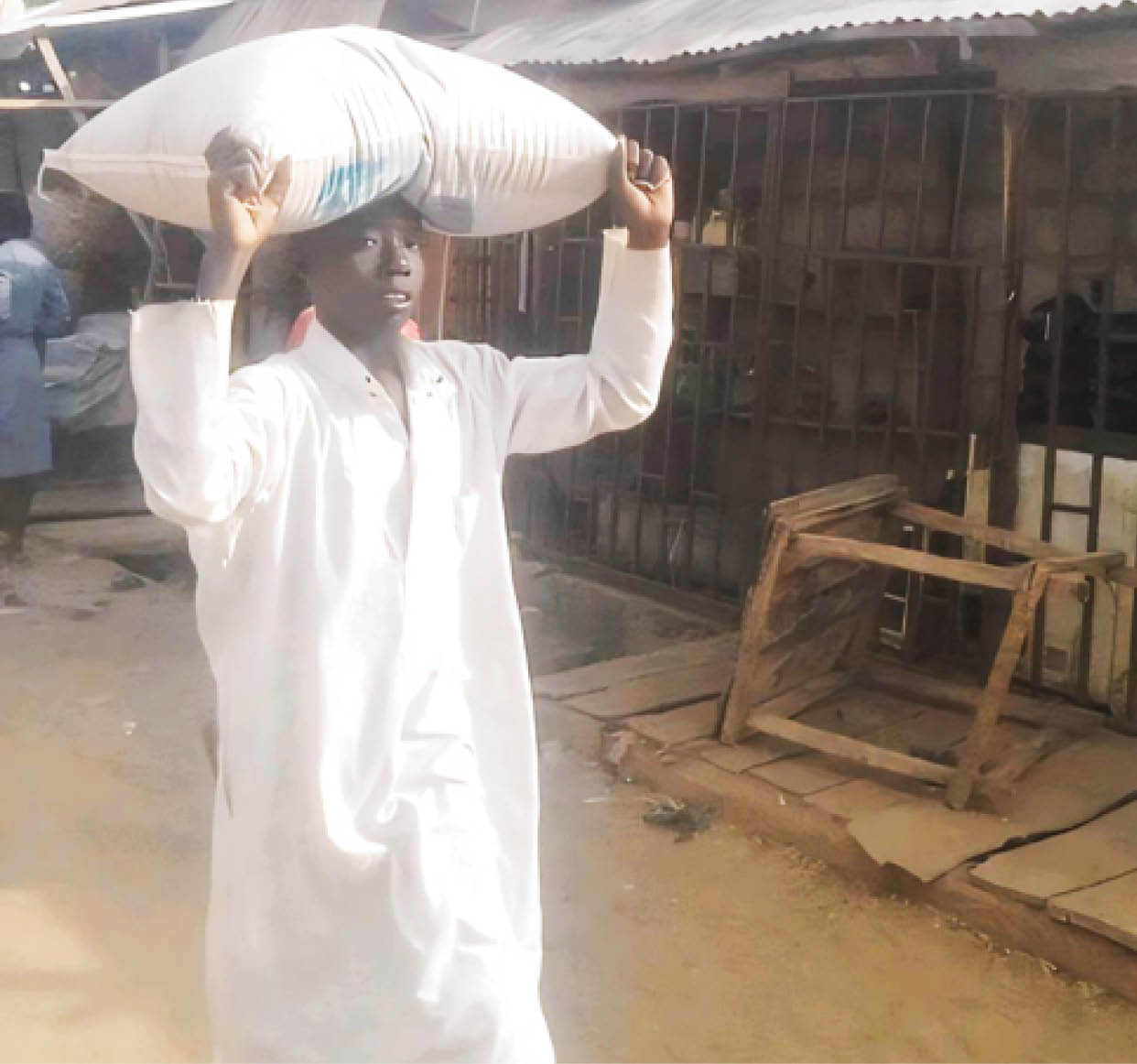
The incident, occurring in Birnin Kebbi’s Bayan Kara area, involved theft from both official and private establishments. Additionally, a truck carrying assorted grains destined for distribution was targeted by the looters.
Similar attacks on warehouses have been reported in the Federal Capital Territory, Abuja, and Suleja, Niger State. These events unfold against the backdrop of a widespread cost-of-living crisis attributed to the removal of petrol subsidies and the fluctuation of the naira.
The Chairman of the food vendors association at Bayan Kara Market in Birnin Kebbi, Muhammadu Gwadangwaji, said some shops and warehouses of traders were also set on fire by some youths.
“They (security agents) fired gunshots and teargas into the air, but they were not deterred. They forced their way in and looted the government warehouse and some of our shops,” he said.
The Chief Press Secretary to Governor Nasir Idris, Ahmed Idris, described the incident as “unfortunate”.
“Such an incident has never happened in Kebbi before. The food items they looted are part of the foodstuffs purchased by the state government for distribution to the people of the state.
“Government has procured and distributed assorted grains worth over N5 billion in over 200 trucks. It is unfortunate those who broke into the warehouse had gone there to steal what belongs to people of the state”, he further decried.
He said the government had secured its warehouses to prevent reoccurrence.
Palliatives not solution to hardship – Bayelsa gov
Bayelsa State governor, Douye Diri yesterday said offering palliatives is not the solution to the hardship in the country.
Diri stated this during the Easter Sunday service at the St Peter’s Anglican Church in his community, Sampou, Kolokuma/Opokuma LGA.
He said while he was not against palliatives, he was more concerned with putting in place the right structures and systems to address the economic challenges.
Diri’s spokesman, Daniel Alabrah, in a statement, quoted the governor as saying that his administration was initiating policies and programmes that would bring about long-term empowerment of the people of the state, rather than short-term palliatives.