In a groundbreaking revelation, scientists in Australia have ignited global discourse by asserting they have pinpointed the ancestral homeland of all modern humans.
This bold assertion stems from an extensive mitochondrial DNA analysis conducted by Professor Vanessa Hayes and her team at the Garvan Institute of Medical Research in Sydney.
Mitochondrial DNA, inherited exclusively from the mother, served as the focal point of the study. By scrutinizing 1,217 samples sourced from individuals residing in southern Africa, Professor Hayes and her team embarked on a quest to trace humanity’s roots.
On their methodology, Hayes affirmed that while the origin of modern humans in Africa around 200,000 years ago was long established, the precise location had remained elusive until their investigation.
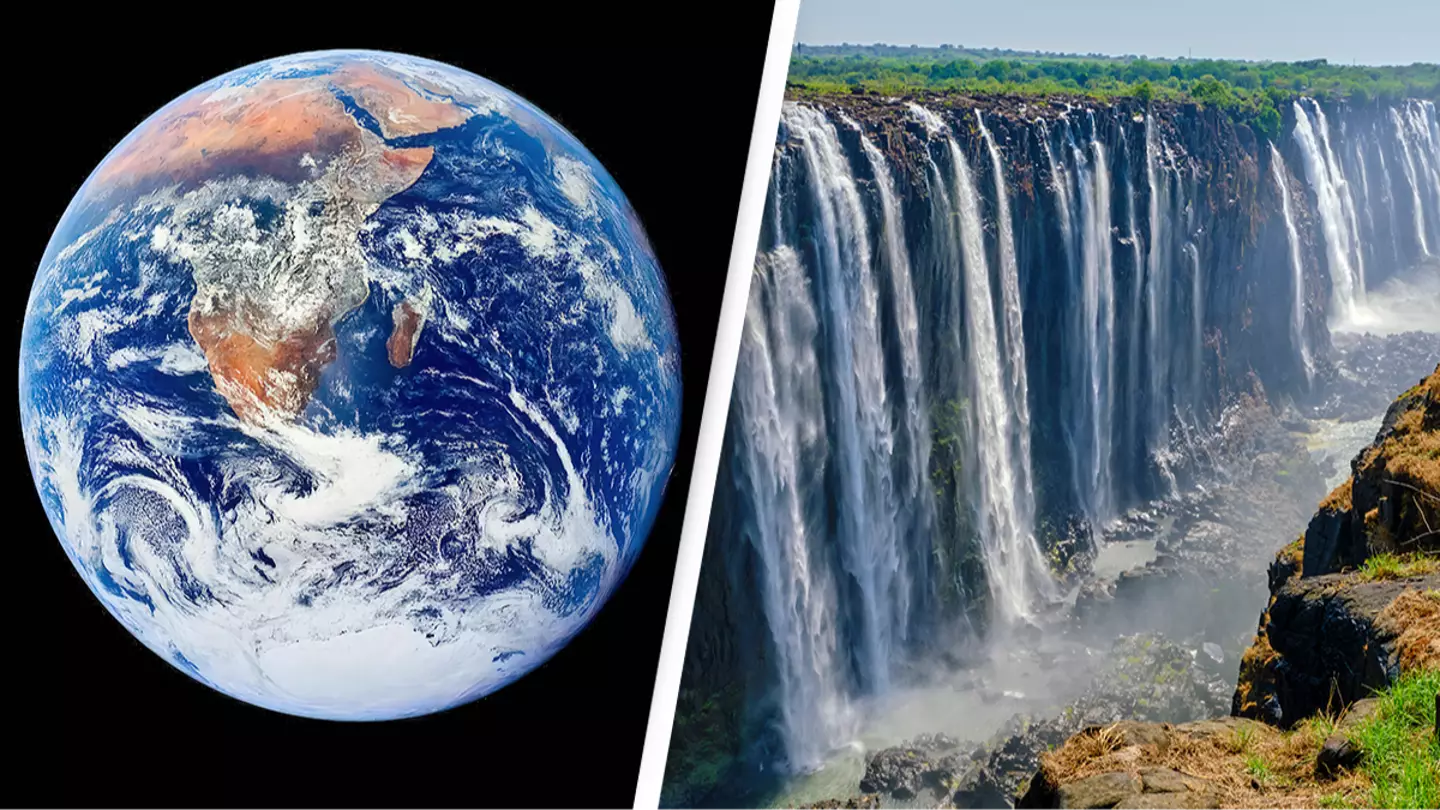
Their findings, published in the esteemed journal Nature, unveiled a remarkable revelation: the cradle of humanity lies nestled within a swath of land stretching from Namibia, traversing Botswana, to Zimbabwe. Their quest didn’t conclude with genetic analysis; it extended to the examination of geological, archaeological, and fossil records.
Intriguingly, their research unveiled the existence of a colossal prehistoric lake system, believed to be Africa’s largest, which once thrived in the region approximately 200,000 years ago. This expansive water body, situated south of the Zambezi River, would have birthed a lush, hospitable environment, fostering human habitation alongside diverse wildlife.
Hayes added that this ancient lake ecosystem could have sustained our ancestors for a staggering span of 70,000 years. However, despite the groundbreaking nature of their findings, skepticism looms large in scientific circles. Chris Stringer, a prominent figure in the study of human origins at the Natural History Museum in London, expressed caution regarding the use of modern genetic distributions to extrapolate ancient population dynamics.
Similarly, Sarah Tishkoff, a geneticist at the University of Pennsylvania, emphasized the limitations inherent in deriving geographical origins solely from contemporary genetic patterns. She underscored the complex migratory patterns of humans over millennia, cautioning against oversimplifying the narrative of human dispersal.
As the scientific community grapples with the implications of this study, one thing remains abundantly clear: the quest to unravel humanity’s origins continues to be a captivating saga, replete with tantalizing discoveries and enduring mysteries.