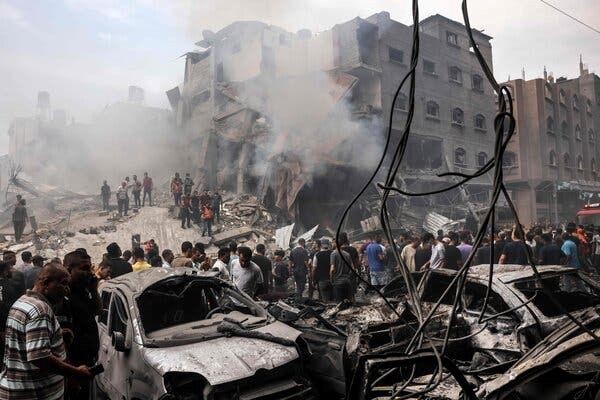
Israel has launched its heaviest airstrikes on Gaza since January 19, killing at least 220 people, according to the Hamas-run health ministry. The military action follows failed negotiations to extend the ceasefire.
Israeli leaders ordered the strikes early Tuesday, targeting what they called Hamas “terror sites.” Among those killed was Mahmoud Abu Wafah, Gaza’s deputy interior minister and a top Hamas security official.
Eyewitnesses reported that the airstrikes began during the pre-dawn meal for Ramadan. More than 20 Israeli warplanes bombarded Gaza City, Rafah, and Khan Younis. Explosions rocked the area as terrified residents scrambled for safety.
The Israeli government said the attacks were in response to Hamas refusing to release Israeli hostages. Officials warned of more military action if the group does not comply.
Hamas condemned the strikes, calling them a betrayal of the ceasefire deal. The group warned that Israeli hostages in Gaza now face an uncertain fate but has not formally declared a return to full-scale war.
READ ALSO: UN condemns fresh Israeli strikes in Syria
Talks to extend the ceasefire collapsed after both sides disagreed on key terms. Mediators, including the United Nations, had proposed a phased extension, but negotiations fell apart.
The ongoing conflict began on October 7, 2023, when Hamas launched a deadly attack on southern Israel, killing over 1,200 people and taking 251 hostages. Israel’s military response has since left more than 48,520 Palestinians dead.
The war has devastated Gaza’s infrastructure, with homes, hospitals, and water systems destroyed. Most of the 2.1 million residents have been displaced, many multiple times.
International pressure is mounting for a renewed ceasefire as humanitarian conditions worsen. Shortages of food, medicine, and shelter have made survival increasingly difficult for civilians.
Despite diplomatic efforts, both sides remain locked in conflict, raising fears of further escalation in the coming days.
Crediblenewsng.com