The World Health Organization, WHO has raised concerns over an imminent shortage of life-saving HIV drugs in eight countries, including Nigeria, following the suspension of US foreign aid.
The disruption, affecting six African nations, stems from a decision made by the United States government to halt foreign health assistance. The move, part of a broader spending review, was initiated through an executive order issued by President Donald Trump on his first day in office.
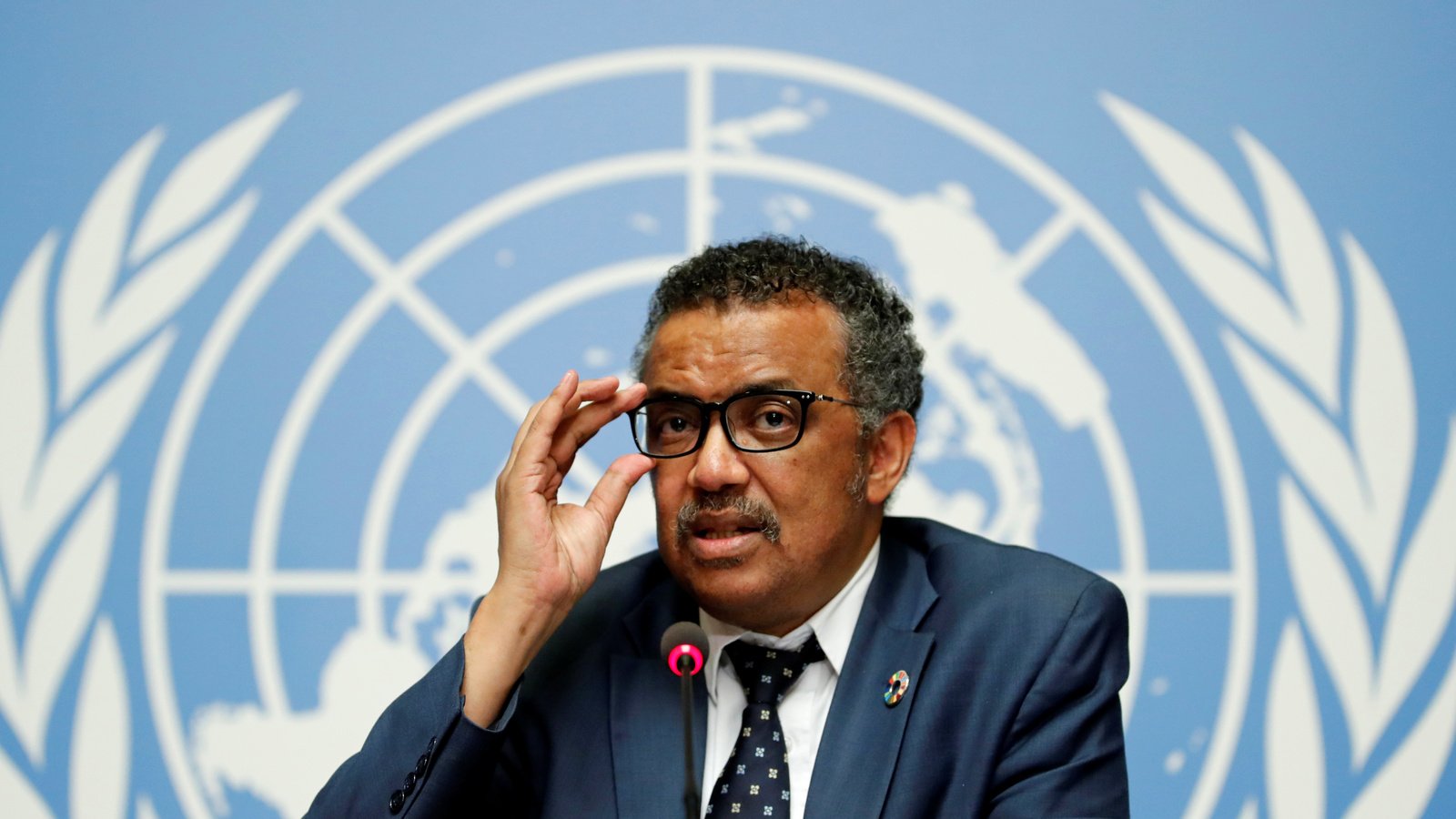
WHO Director-General Dr. Tedros Adhanom Ghebreyesus cautioned that the interruption could reverse decades of progress in the fight against HIV/AIDS. He warned that without urgent intervention, the world could witness over 10 million new HIV cases and three million HIV-related deaths. He described the projected toll as “more than triple the number of deaths last year.”
At a press conference on Monday, WHO identified Nigeria, Kenya, Lesotho, South Sudan, Burkina Faso, and Mali, along with Haiti and Ukraine, as the countries most at risk of running out of antiretroviral drugs. These medications are essential for people living with HIV to suppress the virus and prevent further transmission.
The US foreign aid freeze, initially set for 90 days, is a key component of the Trump administration’s “America First” policy. However, its impact on global health has been severe, leading to the termination of numerous programmes under the US Agency for International Development,USAID, .
READ ALSO: Tuberculosis fight in peril as funding drops
Despite a waiver issued in February for the President’s Emergency Plan for AIDS Relief, Pepfar, the programme’s operations have suffered setbacks due to its reliance on USAID and other affected organisations. Dr. Tedros noted that the situation has already caused an immediate halt to HIV treatment, testing, and prevention services in more than 50 countries.
Since its inception in 2003, Pepfar has played a crucial role in providing antiretroviral drugs to vulnerable populations across the world. The initiative has been credited with saving more than 26 million lives. However, the latest developments threaten its ability to continue its work.
Adding to the crisis, President Trump also announced plans to withdraw the US from WHO, a decision expected to place further strain on the agency’s resources. Dr. Tedros acknowledged the historical generosity of US support but stressed the importance of an orderly transition to ensure affected countries can secure alternative funding.
Sub-Saharan Africa remains the hardest-hit region, with an estimated 25 million people living with HIV—more than two-thirds of the global total. In Nigeria alone, nearly two million people depend on aid-funded medications, while Kenya also ranks among the worst-affected, with around 1.4 million people living with HIV.
Global health advocates are calling on the US to reconsider its stance, emphasizing that continued support not only saves lives worldwide but also helps prevent outbreaks from spreading internationally.
Crediblenewsng.com