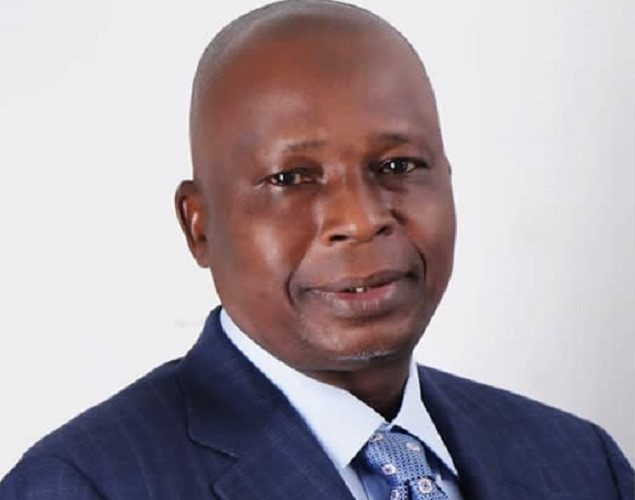
Nigeria’s chief law officer, Lateef Fagbemi has defended President Bola Tinubu in declaring an emergency in River State.
In his opinion, the intervention was necessary to prevent a total breakdown of governance in the state.
Attorney-General of the Federation and Minister of Justice, Fagbemi, a senior advocate, said Tinubu has a duty to halt an escalating political crisis that could have led to the impeachment of Governor Siminalayi Fubara and his deputy, Prof. Ngozi Odu.
Speaking to State House Correspondents on Wednesday, Fagbemi explained that without the Federal Government’s intervention, the impeachment process could have removed both the governor and his deputy from office, plunging the state into deeper political instability.
He traced the crisis to late 2023, when the governor allegedly took drastic steps against the legislature, including demolishing the House of Assembly building. This action, he argued, crippled governance, as the Assembly plays a crucial role in approving budgets, ratifying key appointments, and providing legislative oversight.
“The government stands on a tripod: the executive, the legislature, and the judiciary. He made the functioning of government impossible,” Fagbemi said.
Instead of working with all lawmakers, the governor allegedly recognized only a few members and relocated them to the Government House to perform legislative functions, sidelining the majority.
As tensions grew, the matter was taken to court, culminating in a Supreme Court ruling that found Fubara guilty of multiple constitutional breaches. Fagbemi explained that the governor had anticipated an impeachment attempt and responded by weakening the legislative arm, thereby rendering the government dysfunctional.
READ ALSO: Lawmakers clash over Rivers state emergency declaration
Beyond the political standoff, Fagbemi highlighted security concerns, stating that militants began vandalizing oil pipelines in Rivers State shortly after Fubara made certain public statements. He accused the governor of failing to disown or condemn these activities, despite their severe economic implications.
“Don’t forget that when this government came into office, Nigeria was producing about 900,000 barrels of oil per day. With the president’s efforts, production increased to about 1.5 million barrels per day. Then, suddenly, militants attacked oil facilities, and the governor remained silent,” he said.
The AGF stressed that Nigeria’s economy heavily depends on oil revenue, and any disruption in production affects not just Rivers State but the entire nation. He insisted that those who support or fail to act against such sabotage should be seen as enemies of the country.
Fagbemi stated that the president’s decision was based on three critical factors: the Supreme Court’s findings against the governor, the failure of the executive and legislature to function effectively, and the deteriorating security situation. He opined that delaying action any further could have led to greater crisis.
Crediblenewsng.com