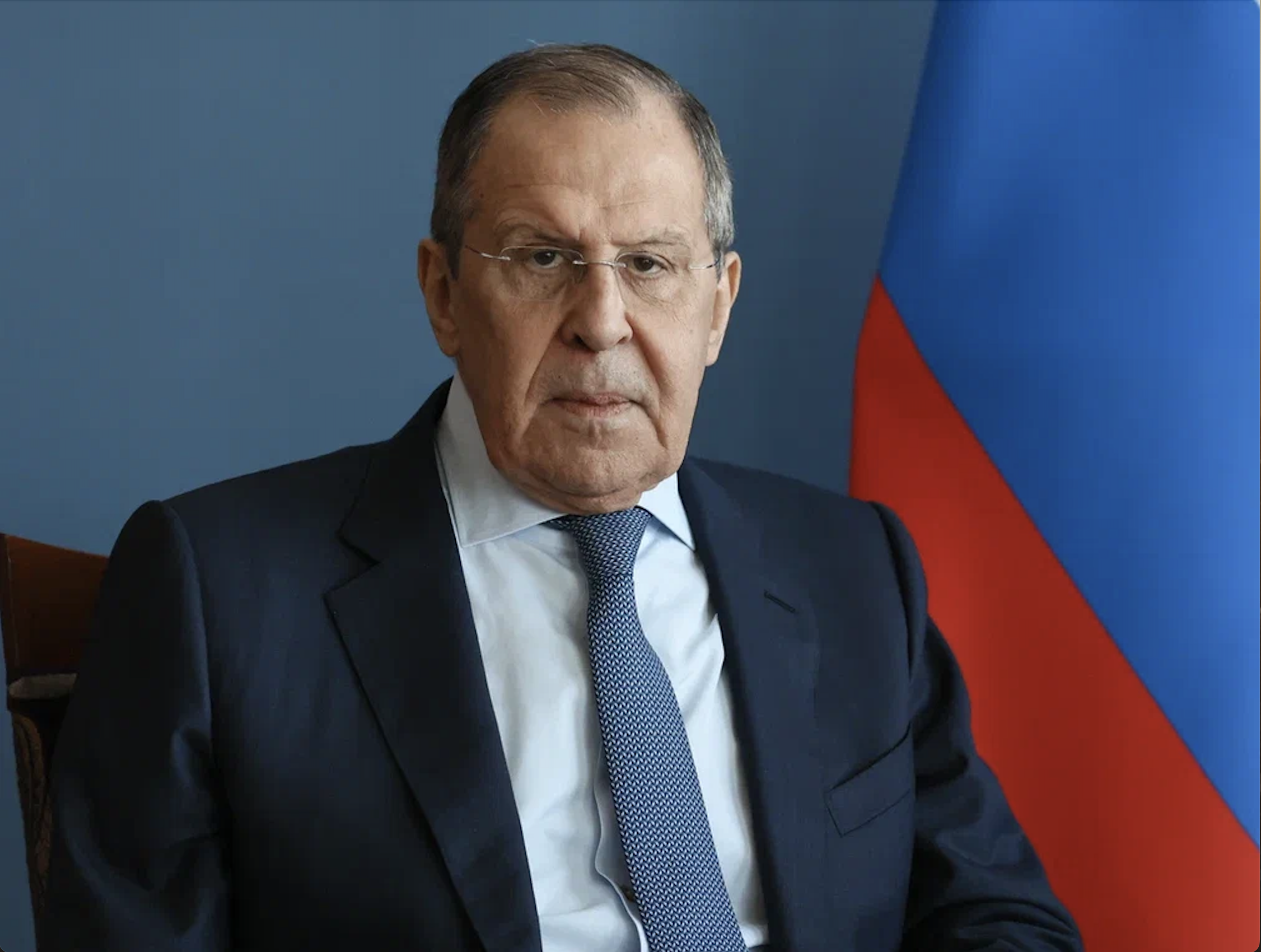
Russia has expressed willingness to negotiate a new agreement on the safety of shipping in the Black Sea, but only if the United States ensures Ukraine’s compliance. Foreign Minister Sergey Lavrov emphasized that an order from Washington to President Volodymyr Zelenskiy was necessary to provide Russia with the assurances it needed.
Lavrov’s remarks come as discussions about a maritime ceasefire gain traction, potentially paving the way for a broader truce between Russia and Ukraine. He insisted that Russia would not rely on Kyiv’s commitments alone, citing past breaches of agreements. He argued that only the United States could enforce adherence, stressing that without such intervention, a deal would be meaningless.
The earlier Black Sea agreement, which facilitated the safe export of Ukrainian grain, collapsed in 2023 after Russia withdrew, citing challenges to its own food and fertilizer exports due to Western sanctions. Moscow argued that restrictions on payments, logistics, and insurance hindered its agricultural trade, making participation in the agreement unsustainable. Ukraine, on the other hand, accused Russia of deliberately obstructing the initiative.
The proposed maritime ceasefire, which is currently under discussion, could serve as a stepping stone toward a more comprehensive peace process. Russia has consistently accused Ukraine of engaging in terrorist activities, while Kyiv has used similar language to describe Russian attacks that have resulted in thousands of civilian deaths since the war began in 2022.
Talks between U.S. and Russian officials in Saudi Arabia on Monday prioritized discussions about the Black Sea initiative. Lavrov confirmed that both sides were analyzing the outcome of these talks, though the Kremlin declined to disclose details. A separate meeting between Ukrainian and U.S. officials in Riyadh was also expected to address the issue.
READ ALSO: Trump says U.S.- Ukraine minerals deal imminent
Tensions surrounding the negotiations have been heightened by concerns over former U.S. President Donald Trump’s stance on the conflict. A recent meeting between Trump and Zelenskiy reportedly ended poorly, fueling fears in Kyiv and among its European allies that Trump might strike a deal with Russian President Vladimir Putin that undermines Ukrainian security. Such concerns have led Ukrainian officials to closely monitor Washington’s approach to the ceasefire discussions.
A key sticking point in the negotiations is the security of energy infrastructure. While Putin rejected a full 30-day ceasefire proposal from the United States, he agreed to a moratorium on attacks targeting Ukrainian energy facilities. Ukraine has signaled its willingness to participate in a limited energy ceasefire, provided that the terms are properly documented.
Lavrov reiterated that stability in the grain and fertilizer markets required predictability, arguing that Russia could not trust Zelenskiy’s assurances without external guarantees. He maintained that any progress in negotiations would ultimately depend on Washington’s willingness to pressure Kyiv into compliance.
With tensions in the Black Sea remaining high, the outcome of ongoing diplomatic efforts could determine whether a fragile maritime peace takes shape or if the region remains embroiled in conflict. The coming weeks may prove crucial in defining the next phase of the war and the extent to which international actors can influence the path toward resolution.
NAN