Nigeria closed the 2024 financial year with a Balance of Payments, BOP, surplus of $6.83 billion, signalling a strong recovery from years of external deficits.
The Central Bank of Nigeria, CBN, said the development reflects growing momentum in trade, investment, and key economic reforms.
CBN’s Director of Corporate Communications, Hakama Sidi-Ali, said the improvement stemmed from comprehensive macroeconomic reforms, stronger trade performance, and renewed investor confidence in Nigeria’s economy.
She noted that both the current and capital accounts posted a surplus of $17.22 billion in 2024, driven largely by a goods trade surplus of $13.17 billion.
Petroleum imports dropped by 23.2 per cent to $14.06 billion, while non-oil imports declined by 12.6 per cent to $25.74 billion. On the export front, gas exports surged by 48.3 per cent to $8.66 billion, and non-oil exports rose by 24.6 per cent to $7.46 billion, reflecting growth in external trade activities.
Remittance inflows also maintained resilience during the year, with personal remittances rising by 8.9 per cent to $20.93 billion.
Inflows through International Money Transfer Operators grew by 43.5 per cent to $4.73 billion, up from $3.30 billion in 2023, reflecting greater participation from the Nigerian diaspora.
Nigeria recorded a net acquisition of financial assets worth $12.12 billion in 2024. Portfolio investment inflows more than doubled, rising by 106.5 per cent to $13.35 billion.
READ ALSO: World Bank approves $1.08bn for Nigeria’s development
Resident foreign currency holdings also grew by $5.41 billion, indicating increased confidence in the country’s economic direction.
Although Foreign Direct Investments dropped by 42.3 per cent to $1.08 billion, the overall financial account posted significant gains.
External reserves grew by $6.0 billion to reach $40.19 billion by the end of 2024, providing a stronger buffer for the nation’s external position.
Marked improvement in data integrity was also recorded. Net errors and omissions narrowed by 79.5 per cent to a negative $5.10 billion in 2024, down from $24.90 billion in 2023.
This improvement points to better data availability, accuracy, and transparency in Nigeria’s financial reporting.
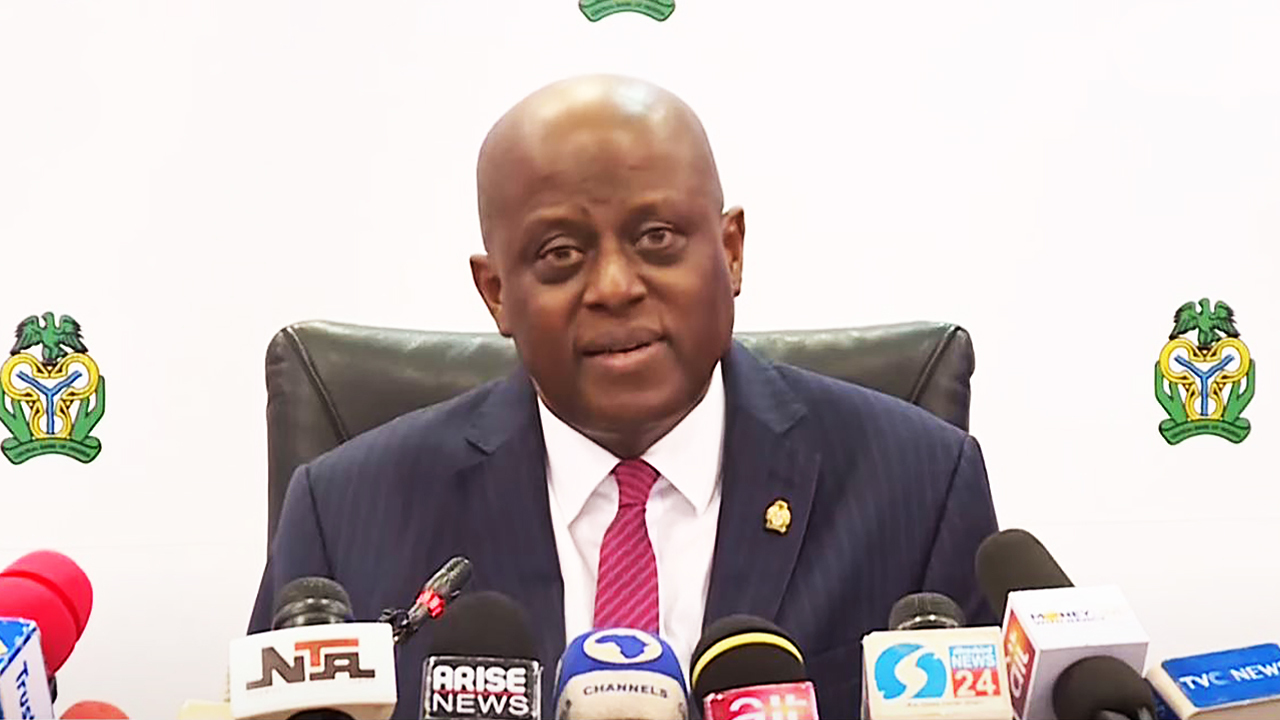
CBN Governor Yemi Cardoso described the positive turnaround in external finances as proof of effective policy execution and commitment to economic stability.
He said the BOP surplus marks a critical step forward for the country, with gains expected to benefit investors, businesses, and ordinary Nigerians.