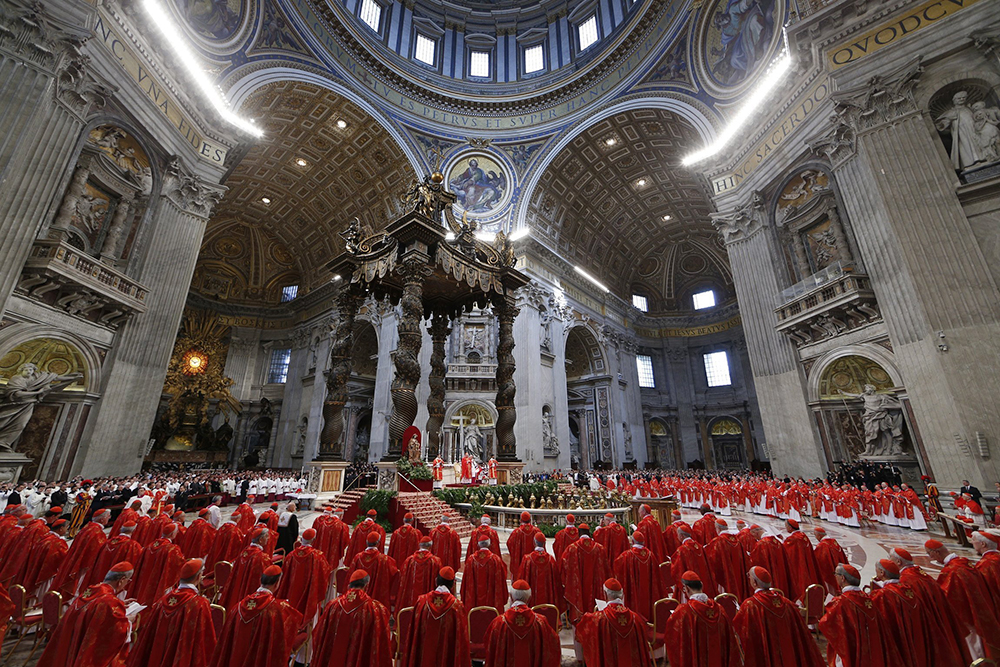
The College of Cardinals is expected to begin the conclave in the coming days to elect a new pope following the death of Pope Francis.
More than 120 cardinal electors will convene in the Sistine Chapel, the traditional site of the papal election, after arriving from over 70 countries.
Though the Catholic Church has more than 220 cardinals globally, only those under the age of 80 are eligible to vote. A two-thirds majority is required to select a new pope.
The cardinals will begin with a Mass before deliberations and secret balloting commence. Ballots are cast twice daily—morning and afternoon—until a consensus is reached. If a new pope is not elected after 30 rounds of voting, a simple majority will suffice.
Before voting begins, the command extra omnes is issued, signaling all non-voters to leave. The chapel is then sealed and swept for electronic surveillance.
The cardinal electors swear an oath of absolute secrecy and are denied all external communication, including newspapers, phones, and internet access.
READ ALSO: Pope Francis dies at 88 in Vatican
The voting process is marked by tradition and symbolism. Each elector writes the name of their preferred candidate on a ballot inscribed with eligo in summum pontificem (I elect as supreme pontiff), folds it, and drops it into a chalice.
The ballots are then burned after each round, with black smoke indicating no result and white smoke signaling a successful election.
Any baptized male is technically eligible for election, but a current cardinal is almost always chosen. Once elected, the new pope is asked to accept the role and declare the name he wishes to take. He is then dressed in specially prepared vestments in the Room of Tears.
The announcement is made from the balcony of St. Peter’s Basilica by the dean of cardinals with the traditional words: Habemus papam—“We have a pope.”
Thousands of faithful and visitors are expected to gather in the square below, awaiting the sight of white smoke and the appearance of the new pontiff.
theguardian.com