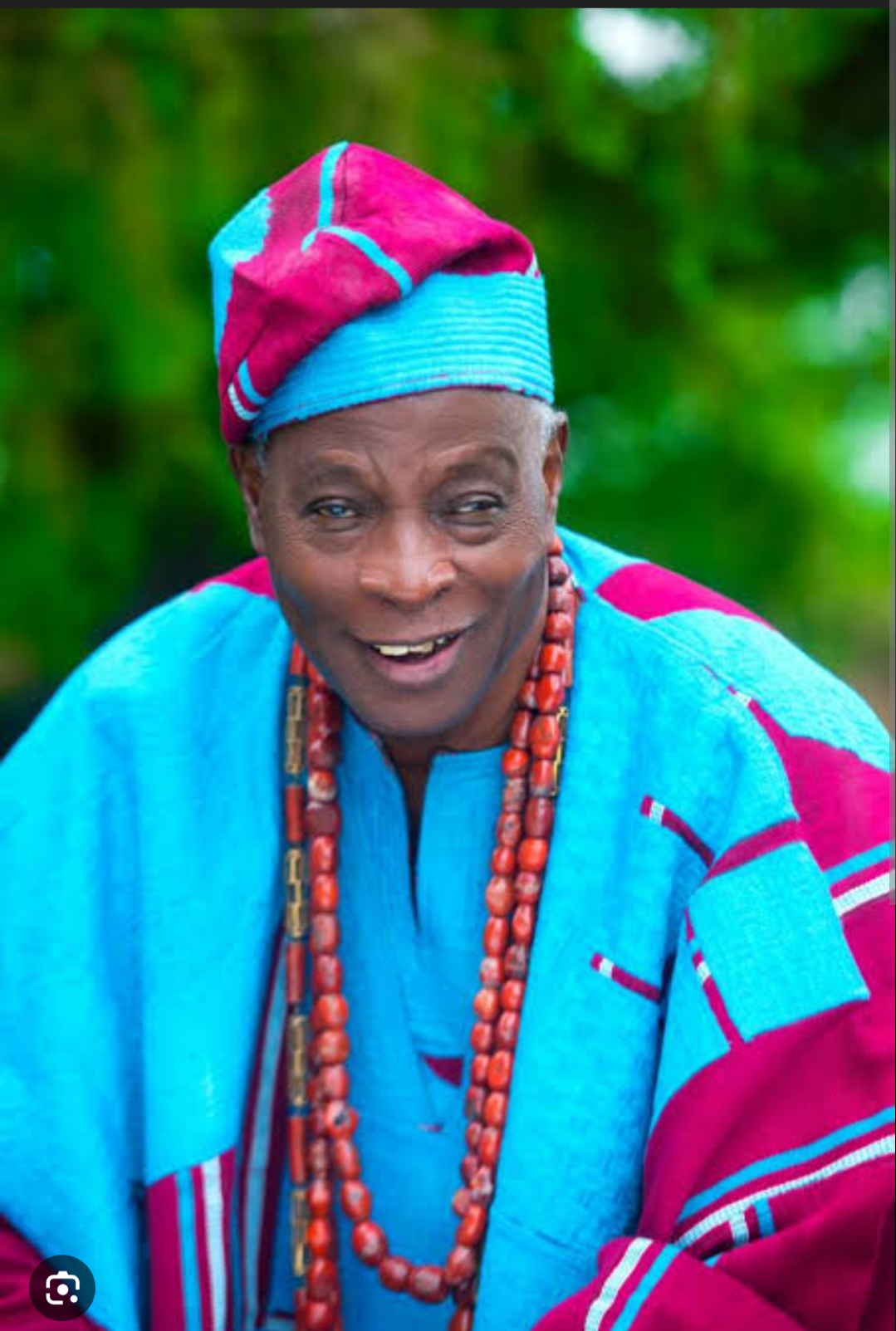
Former Minister of Finance and Secretary to the Government of the Federation, Chief Samuel Oluyemi Falae, has claimed victory in the 1999 presidential election even as he alleged that former President Olusegun Obasanjo was coerced by the military into contesting in order to safeguard their interests.
Speaking in an interview with ARISE News about Nigeria’s democratic journey, Falae, who ran under the Alliance for Democracy and All People’s Party alliance, claimed he won the election by a margin of 1.5 million votes. He said this result was later confirmed to him by the late Ambassador Antonio Oladeinde Fernandez, who allegedly saw the actual figures in the possession of American officials.
“I have no doubt in my mind, and most Nigerians have no doubt whatsoever, that it was I that they voted for,” Falae said.
He alleged that the military establishment was uncomfortable handing over power to a “thoroughbred civilian,” preferring instead to support Obasanjo—a former military Head of State, whom they believed would shield them from scrutiny. Falae added that fears he would probe past military regimes were unfounded, as he had served under General Ibrahim Babangida for five years and had no intention of investigating a government in which he participated.
“But clearly it was an excuse to do what they wanted to do,” he said.
READ ALSO: Olu Falae now leads Afenifere as chairman
Falae revealed that, unlike Obasanjo, who he claimed was initially reluctant to contest and had to be persuaded he had spent two years preparing for leadership. His preparations included national focus group discussions, detailed policy frameworks, and handbooks for each ministerial role. His manifesto, New Directions for the Third Republic, he said, was crafted to ensure he could “hit the ground running.”
“I was ready to govern. I had spent my life in public and private service without blemish. I was better prepared,” he said.
He also reflected on the legacy of June 12, 1993, the presidential election considered Nigeria’s freest and fairest. According to Falae, the military’s annulment of that vote was a betrayal of the people’s will, but the prolonged democratic struggle that followed gave rise to Nigeria’s unbroken democratic experience since 1999.
“That’s a positive from June 12th… the effect is eternal, not a temporary thing,” he stated.
However, he expressed disappointment in the quality of elections since then, citing violence, vote buying, and excessive litigation.
“It is as if June 12 never happened,” he said. “What is yet to be accomplished is the purity and acceptability of election results.”
Falae also criticized Nigeria’s move from structured national development plans to fragmented “rolling plans,” arguing that this shift has led to disjointed governance since 1999. He expressed hope that a visionary group or leader would eventually emerge to address poverty, insecurity, and hunger.
Despite the outcome of the 1999 election, Falae concluded with a sense of fulfilment.
“I had done my duty, I paid my dues, and I’m happy that we are still practising democracy,” he said.
NEWSEXPRESSNG