China has recorded significant progress in its push toward sustainable maritime transport, with more than 1,000 inland vessels now powered by new or clean energy sources, according to the Ministry of Transport.
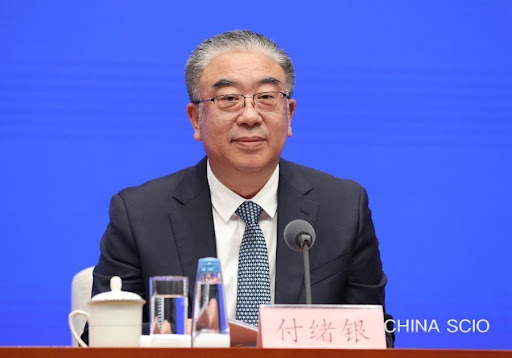
Speaking at a press conference on Friday, Vice Transport Minister Fu Xuyin revealed that as of the end of 2024, China had deployed over 600 vessels powered by Liquefied Natural Gas and 485 battery-powered electric vessels. These vessels are primarily used for cargo shipping and passenger ferry services, respectively.
“In addition to LNG and battery-powered vessels, a growing number of ships powered by methanol and hydrogen fuel cells are also being adopted,” said Xuyin, emphasizing the shift as part of China’s larger strategy to green its inland water transport system.
Xuyin highlighted that the country’s electric vessel industry has not only expanded in scale but also emerged as a global leader in technological innovation. “China’s efforts have placed it at the forefront of clean-energy maritime development globally,” he noted.
As part of its broader climate goals, China is also accelerating the modernization of its port infrastructure to align with its low-carbon agenda. The Ministry of Transport has prioritized the expansion and renovation of inland port terminals to support green operations.
These upgrades include the development of near-zero-carbon inland terminals that utilize wind and solar energy. Xuyin explained that efforts are underway to fully integrate clean energy into port machinery and on-site logistics, including the deployment of electric or new-energy trucks and rail systems for bulk cargo handling.
READ ALSO: China seeks deeper strategic partnership with African nations
The transition comes amid a global push for the maritime sector to cut down emissions and support decarbonization efforts.
The International Maritime Organization has called on member countries to slash shipping emissions by 50 percent by 2050—a goal China appears determined to exceed with its current momentum.
Experts have lauded the country’s progress as a template for other nations aiming to transition from fossil fuel-powered vessels. “China is not only investing in alternative vessel fuels but also rethinking the entire ecosystem—ports, cargo handling, and logistics—to reflect a clean, efficient future,” said Dr. Mei Lin, an energy and transport researcher in Shanghai.
The benefits of the transition are multifaceted, from cleaner air and reduced greenhouse gas emissions to lower fuel costs and enhanced operational efficiency in the long term. The Ministry of Transport says this transformation aligns with President Xi Jinping’s pledge for China to reach carbon neutrality by 2060.
“By embedding sustainability into every aspect of inland waterway transport, from vessels to terminals, China is redefining what a modern maritime economy can look like,” Fu Xuyin concluded.
As the country continues to scale up innovation and investment in green marine technology, it sets a precedent for global maritime stakeholders, especially in rapidly developing economies, to follow suit.
NAN