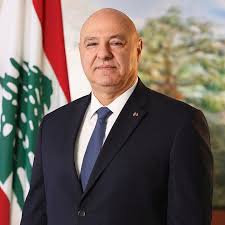
On the fifth anniversary of the catastrophic Beirut port explosion that claimed over 220 lives and injured thousands, Lebanese President Joseph Aoun solemnly pledged that “justice is coming” and vowed that those responsible will be held accountable without exception.
Five years after one of the world’s largest non-nuclear explosions devastated Beirut, President Aoun reaffirmed the state’s commitment to uncovering the full truth behind the disaster, insisting that the law applies to all regardless of rank or political position.
The explosion, triggered on August 4, 2020, by a fire in a warehouse storing 2,750 tons of improperly kept ammonium nitrate, unleashed a blast that killed more than 220 people, injured over 7,000, displaced some 300,000 residents, and caused billions of dollars in damages across the capital.
President Aoun described the incident as a “major crime that shook the conscience of the nation and the world,” promising that the blood of the victims will not be in vain and that “accountability is inevitable.”
Despite years of political and judicial obstruction, the Lebanese judiciary has continued its investigation. Judge Tarek Bitar, appointed to lead the probe, has made strides in questioning high-profile suspects, although no convictions have yet been achieved.
READ ALSO: Israel rules 60 Lebanese villages danger zone despite ceasefire deal
The president emphasized that the Lebanese state is resolute in pressing all competent authorities to conduct transparent and fair investigations. He stressed that justice “will not die,” and that those who failed to act responsibly including senior officials warned about the dangers of storing ammonium nitrate must face consequences.
The explosion not only caused profound human loss but also inflicted severe damage on Beirut’s infrastructure, homes, schools, and healthcare facilities, compounding a national crisis worsened by economic collapse and political instability.
Monday, August 4, 2025, was declared a day of national mourning in Lebanon, with planned rallies at the port demanding justice and remembrance for the victims. These events were attended by families and citizens alike.
The U.S. Embassy in Beirut also echoed the call for an independent judiciary capable of delivering justice for victims rather than protecting elites.
As Lebanon continues to grapple with the aftermath, hopes remain high that this solemn anniversary will renew momentum for full accountability and national reconciliation.
The Beirut blast remains a haunting reminder of longstanding governance failures and corruption in Lebanon, underlining the urgent need for reform. The presidency’s firm statement this anniversary highlights a critical step toward honoring the victims through justice although many still await tangible progress in the legal process.
This story consolidates official statements, investigative updates, and the broader context of the tragedy to provide a comprehensive account of Lebanon’s ongoing pursuit of justice five years after the devastating Beirut port explosion.
NAN