Taiwan has reaffirmed it’s commitment to peace, democracy, and freedom in the face of growing tensions with Beijing, even as China staged a massive military parade marking the 80th anniversary of the end of World War II.
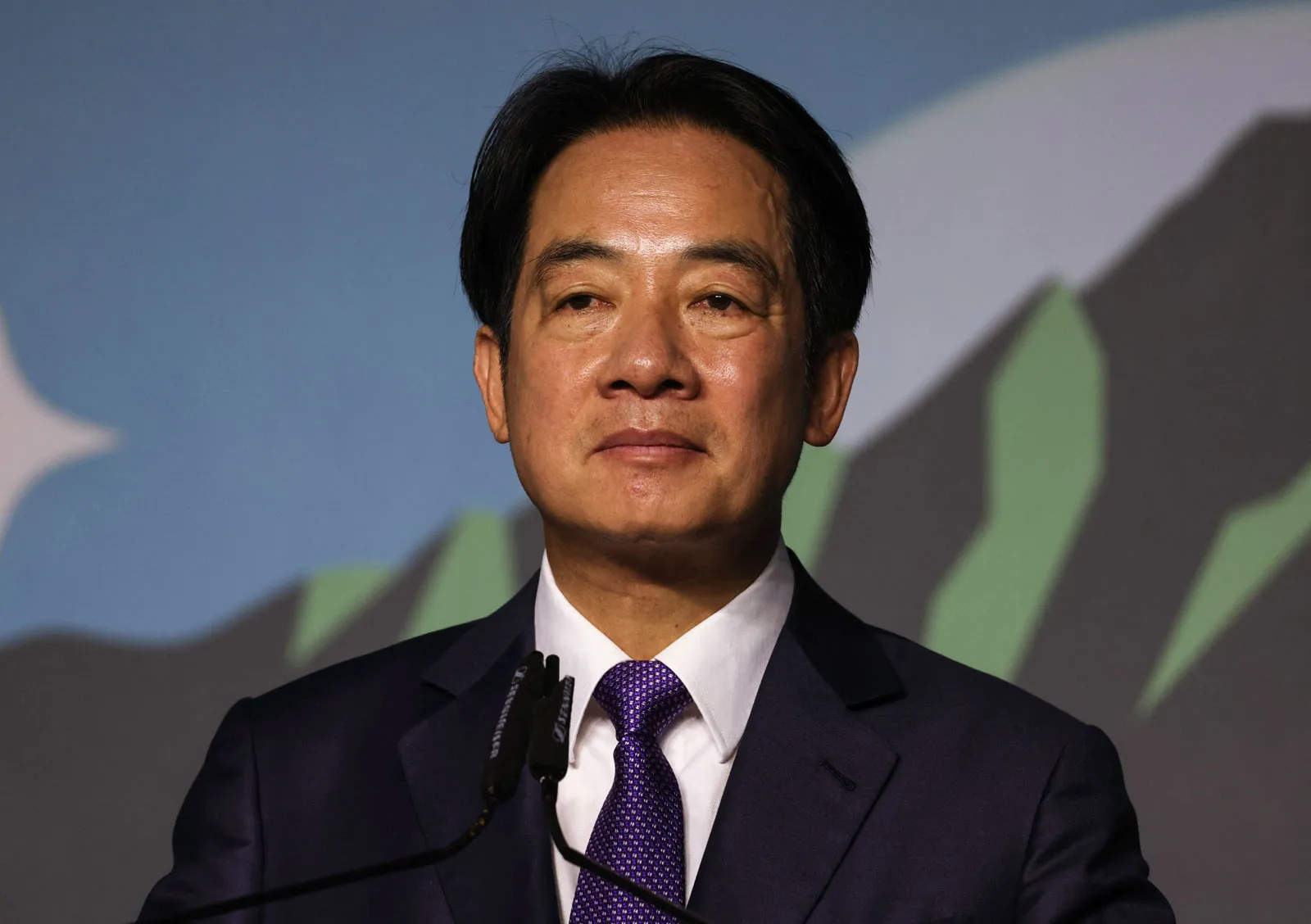
President Lai Chin in a remark underscored Taiwan’s contrasting approach to regional stability, stressing remembrance and resilience over displays of military strength.
On Wednesday, Lai visited the National Revolutionary Martyrs’ Shrine in Taipei, where he paid tribute to soldiers who had sacrificed their lives for the nation.
In a Facebook post, he stressed that Taiwan “does not commemorate peace with guns, but by honouring our fallen heroes, remembering history’s lessons, and standing firm in our belief in freedom and democracy.” He added that while weapons remain necessary, they exist solely for defence, not aggression or expansion.
The statement, accompanied by a photograph marking September 3 as Taiwan’s Armed Forces Day, came as Beijing projected power through an elaborate military demonstration featuring advanced weaponry and troops.
The Chinese parade was part of events commemorating the Allied victory in WWII, though critics argued it was designed to amplify China’s current geopolitical clout and assert its narrative about history.
ALSO READ: Nigeria shoots down Taiwan claim, backs One-China
Taiwan’s Foreign Ministry, a day earlier, condemned Beijing for what it described as a distortion of historical facts.
Analysts say the parade sought to highlight the role of the Chinese Communist Party in the wartime struggle, sidelining contributions from other groups, particularly the Kuomintang, whose forces were central in resisting Japanese occupation before retreating to Taiwan after 1949.
The episode reflects the widening gulf across the Taiwan Strait. Since Lai’s election earlier in 2025, China has intensified military manoeuvres near Taiwan, including naval patrols and aerial sorties, aimed at signalling its displeasure with what it views as separatist tendencies.
Beijing insists that Taiwan is part of its territory and has not ruled out the use of force to bring the island under its control.
Taiwan, however, continues to position itself as a beacon of democracy in Asia. Successive governments have argued that their defence posture is not about provocation but survival.
Lai’s emphasis on peace mirrors his predecessor Tsai Ing-wen’s strategy of strengthening Taiwan’s defences while seeking international support to deter Chinese aggression.
Observers noted that Lai’s rhetoric also speaks to an international audience, particularly allies like the United States, Japan, and European partners, who have increasingly voiced support for Taiwan amid China’s assertive actions.
“The timing of Lai’s comments, during Beijing’s grand military display, highlights Taiwan’s desire to project an image of restraint, responsibility, and democratic values,” said one regional analyst.
Beyond symbolism, the contrast between the two sides carries practical implications. China’s growing partnership with Russia and North Korea, visible during the parade, raises concerns about a new security bloc challenging the U.S.-led order in Asia.
For Taiwan, reinforcing its image as a peaceful democracy is key to rallying global opinion and support.
As the region navigates heightened tensions, Lai’s message suggests that Taiwan will continue to balance preparedness with diplomacy.
By framing peace as a product of remembrance and democratic strength rather than military parades, Taipei hopes to remind the world of the values at stake in the Taiwan Strait conflict.
NAN