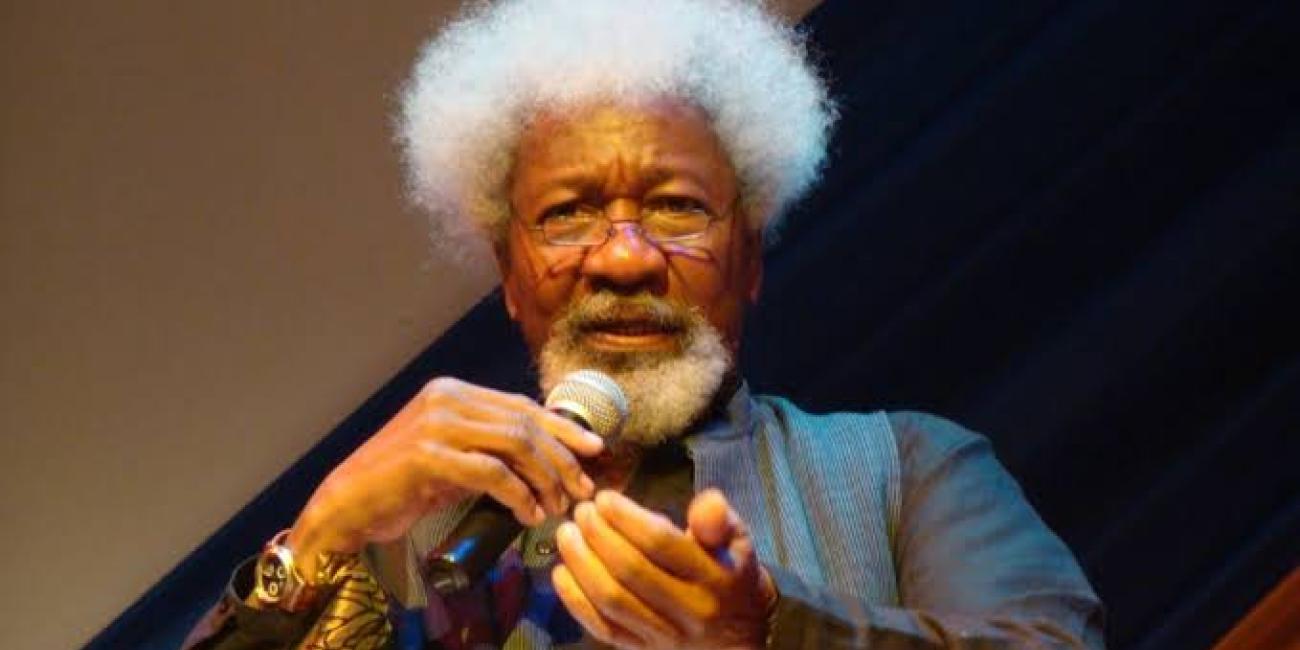
Nobel Laureate, Professor Wole Soyinka has firmly declined an invitation by the United States Consulate in Nigeria to attend what it described as a “visa reinterview.”
The writer and academic confirmed in an interview with The NEWS said he had received the official letter summoning Nigerians with B1/B2 visas, including himself, for revalidation on Thursday, September 11.
Soyinka explained that his initial reaction was disbelief. He assumed the letter was fraudulent, suspecting scammers were behind it.
“At first I thought it was fake,” he admitted, noting that the request reminded him of advance-fee fraud schemes that prey on individuals desperate to obtain visas.
Only after further inquiry did he accept that the invitation was genuine, but his doubts about its necessity remained.
The literary icon insisted that the matter should not be viewed as a personal quarrel but as part of a broader diplomatic and cultural exchange.
Over the years, he said, he had maintained cordial relationships with various U.S. ambassadors, consuls, and cultural attachés. Nonetheless, he considered the present request bizarre and unnecessary.
Beyond questioning its purpose, Soyinka made it clear that he has little interest in pursuing travel to destinations where he does not feel wanted. “I have more important things to do than chase visas for places where I am not wanted,” he said, dismissing the visa revalidation as irrelevant to his current priorities.
ALSO READ: When President Tinubu shocked Prof. Wole Soyinka in Brazil
He also criticised the choice of date. September 11, a date etched in history for the United States and the world, carried a weight he felt made the invitation inappropriate. “To me, 9/11 should be a day of mourning and sober reflection, not a day to summon people for visa interviews,” he argued.
Soyinka added that he considers the date almost superstitious and symbolic, insisting that the U.S. government should have closed its offices out of respect. Instead, he said, he would “shut down his relationship with them on that day.”
The playwright expressed safety concerns as well, hinting that the current U.S. administration’s leadership style influenced his refusal.
Without mincing words, he likened the American leader to a “white Idi Amin,” suggesting that he is cautious about the political environment that would shape such invitations.
For Soyinka, the entire episode underscores his independence of thought and his refusal to conform to diplomatic formalities that he perceives as unnecessary.
He said embassies represent governments, and his acceptance of such an invitation would depend on the nature of that government and whether he feels secure in engaging with it.
By choosing to decline the reinterview, Soyinka has once again demonstrated the fearless stance for which he is renowned.
Known globally for his commitment to truth, freedom, and intellectual honesty, he made clear that no external pressure would compel him into actions he deems pointless or compromising.
As the controversy unfolds, Soyinka’s position has sparked debate among Nigerians—between those who see his stand as a principled rejection of undue bureaucratic demands and others who wonder about the implications for bilateral relations. Still, for the Nobel laureate, the decision is final: the visa reinterview will go on without him.
The Guardian
![Director General of WHO, Dr. Tedros Adhanom Ghebreyesus. [PHOTO CREDIT: Council of Foreign Relations]](https://crediblenewsng.com/wp-content/uploads/2025/04/RTS1S2HF-75x75.jpg)