The Centre for Integrated Health Programmes , CIHP, a non-governmental organization, is advising women and girls to establish boundaries and acquire self-defense skills as a proactive measure to prevent harm or abuse.
Ms. Aisha Sule, Gender Integration Associate at CIHP, emphasized the significance of raising awareness about the risks of gender-based violence , GBV, and equipping women and girls with the knowledge and skills to protect themselves.
In an interview with the News Agency of Nigeria , NAN, in Lagos, Sule underscored the importance of understanding potential dangers and taking preventive measures.
CIHP has actively conducted sensitization programs across various communities to educate individuals about identifying and addressing the risks associated with GBV.
Sule highlighted the need for women and girls to set boundaries, encompassing physical, mental, and verbal aspects.
Physical boundaries define preferences regarding touch and treatment, mental boundaries involve emotions and comfort levels, and verbal boundaries include communication preferences.
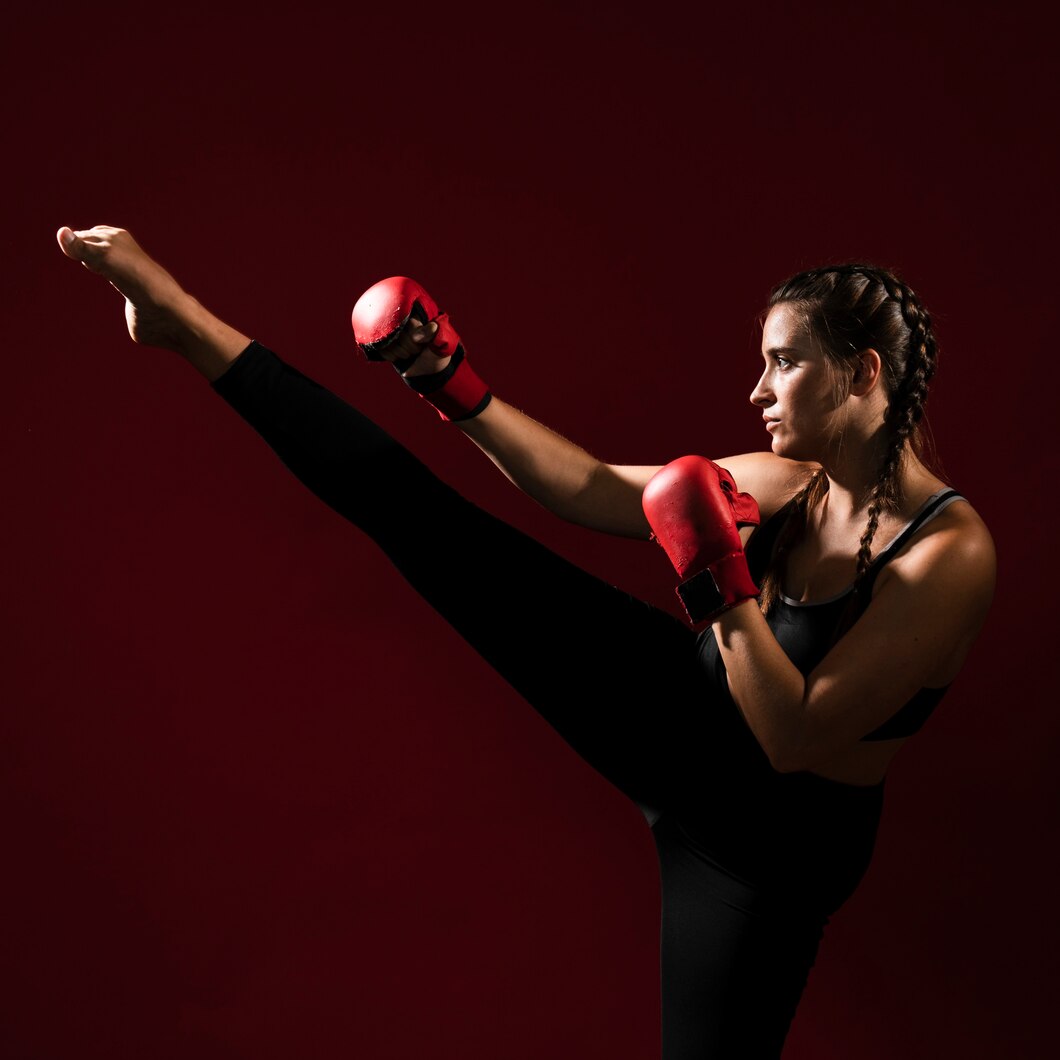
Additionally, Sule emphasized the importance of acquiring self-defense skills, covering verbal, physical, and mental strategies. Verbal skills enable individuals to assertively say no and communicate consequences.
Physical skills focus on target areas for self-defense when confronted with danger, while mental skills involve recognizing potential threats and avoiding risky situations.
CIHP’s advocacy aligns with broader efforts to empower women and girls, promoting their safety and well-being through proactive measures and self-defense education.
Setting boundaries and self-defense are important ways to stop assault and prevent people, particularly women and girls from getting hurt.
Highlighting what boundaries are, Sule said that they could be physical, mental or verbal.
She further stated, physical boundaries are how a woman or girl wants to be touched or what she wants people to do with her body or not.
“Mental boundaries are the emotions a woman can share and the extent to which someone talking to her makes her uncomfortable.
“While verbal are things she wants people to say or not say to her.
“As women and girls, you need to understand your own boundaries as well and at what point you get uncomfortable.
“You should also know some of the signs when someone has crossed your boundary.”
READ ALSO: UN urges media collaboration to promote gender equality and end violence against women
Sule said that women and girls need to map out strategies – self-defense skills- to prevent themselves from harm and abuse when the boundary lines are crossed.
She said these skills could also be verbal, physical and mental.
Sule noted that the physical, which focuses on target areas on the attacker’s body, should be the last option used when in danger.
“You can learn to say no when you’re not comfortable with something or warn someone of the consequences of their actions.
“Sometimes you may sense that something is about to happen and you get out of that situation.
“We have some target areas in an attacker’s body that you can hit when you’re in danger; you can poke the eyes; you can do feet stomp,” she said.se
NAN reports that CIHP carried out sensitisation programmes for school administrators at Ikeja and a community sensitisation at Ayobo as part of its ‘Orange the World Project’.
The initiative was to commemorate the 16 Days of Activism against GBV.
Crediblenews.ng