The United States says the global high demand for seafood is responsible for illegal, unregulated, and unreported fishing.
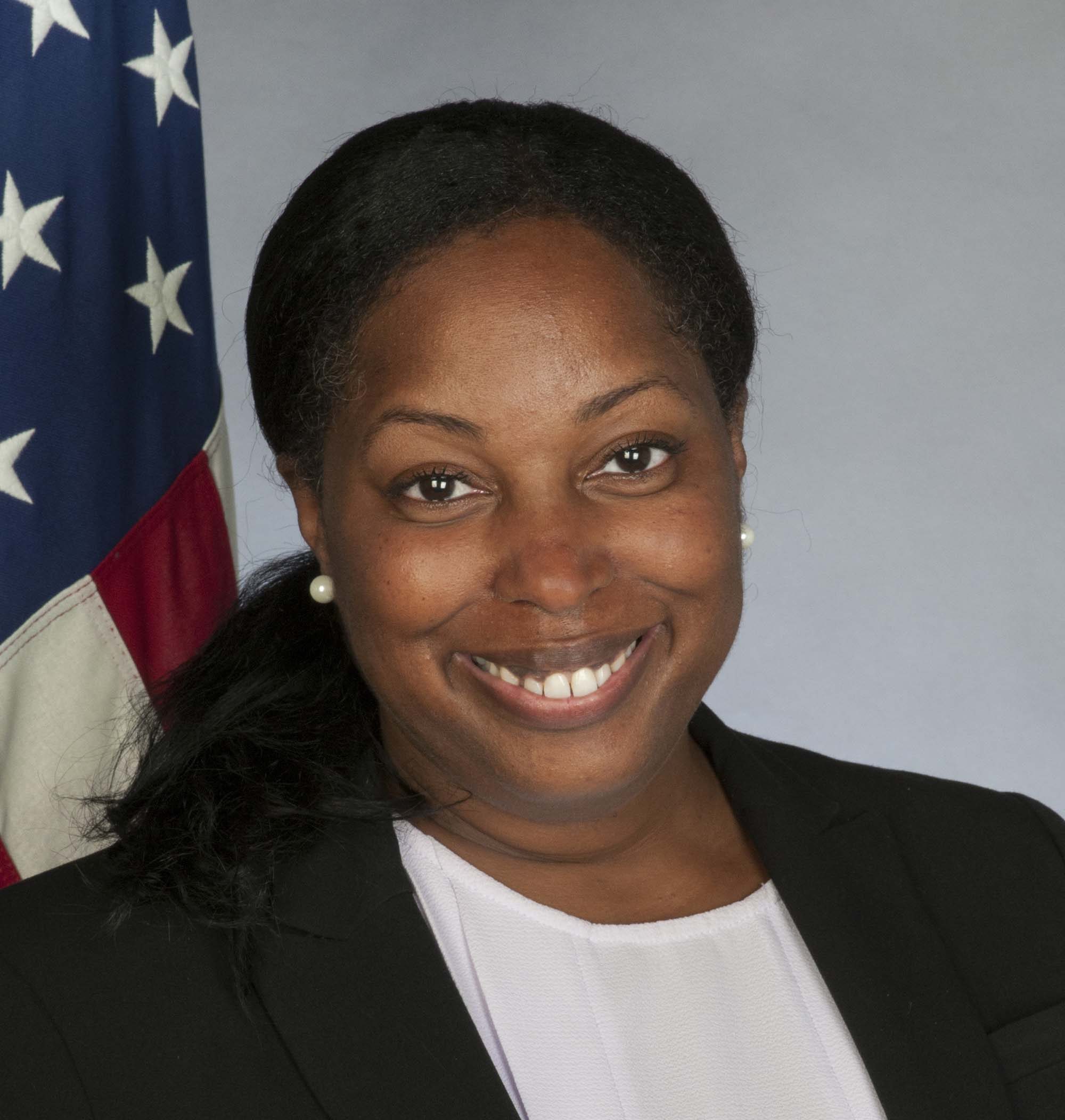
Jennifer Littlejohn, the U.S. Acting Assistant Secretary for the Bureau of Oceans and International Environmental and Scientific Affairs, OES, emphasized the importance of addressing environmental challenges in Africa during a digital news conference held in Accra, Ghana. This discussion preceded the United Nations Environment Assembly, UNEA, scheduled for Nairobi, Kenya.
Littlejohn highlighted the significant impact of illegal, unregulated, unreported fishing, IUU, on marine biodiversity over the past five decades. She explained that the rising demand for fish globally has led to increased pressure on fish stocks, both in international waters and within national jurisdictions, resulting in adverse environmental effects.
She noted that the growing demand for fish has prompted the expansion of fishing fleets, which often engage in IUU fishing practices to evade the costs associated with sustainable fisheries management. Littlejohn referenced a 2019 report by the Intergovernmental Science-Policy Platform on Biodiversity and Ecosystem Services, which concluded that fishing activities have had the greatest impact on marine biodiversity, exacerbated by IUU fishing.
Littlejohn emphasized that IUU fishing can lead to overfishing, causing damage to ocean biodiversity. Furthermore, the use of prohibited fishing gear can result in bycatch of non-target species, further harming biodiversity. She underscored the urgent need for collaborative efforts to address IUU fishing and promote sustainable fisheries management to safeguard marine ecosystems.

She said that IUU fishing may also degrade marine ecosystems, such as corals and sea mounds with negative consequences for the marine species that depend on these habitats.
Littlejohn highlighted the significant economic impact of illegal, unregulated, unreported, IUU, fishing, stating that it costs the world tens of billions of dollars annually. She referenced a recent report from the UN Food and Agriculture Organization, FAO, which estimated that IUU fishing accounts for approximately 26 million tons of fish caught each year.
READ ALSO: FEC okays establishment of consumer credit scheme, social security payment for NCE graduates
In the United States, seafood imports alone amount to about two and a half billion US dollars annually, with nearly 11 percent of the market derived from IUU fishing. Littlejohn emphasized the U.S.’s commitment to combating IUU fishing, both as a major harvester and a top market for fishing products. She highlighted the importance of effective fisheries governance and enforcement to prevent IUU-sourced fish and fish products from entering global markets.
Littlejohn stated that the United States promotes sustainable fisheries internationally through science-based management and cooperative measures to combat IUU fishing, including monitoring, control, and surveillance measures. She mentioned the implementation of the Port State Measures Agreement, which prevents catches from IUU fishing vessels from being offloaded in ports and entering the global market.
Additionally, the U.S. has contributed to initiatives such as the Global Record of Fishing Vessels through the FAO. This record provides transparent information about the world’s fishing vessels, enhancing the ability of countries and markets to verify the identity of fishing vessels and combat IUU fishing effectively.
Credible news.ng