Rwanda has solemnly commemorated the victims of genocide, marking 30 years since a brutal campaign, orchestrated by Hutu extremists, ravaged the country.
In one of the bloodiest episodes of the 20th century, neighbors turned against each other in a horrific massacre.
Lasting for 100 days until July 1994, the killing spree claimed the lives of 800,000 people, primarily Tutsis but also moderate Hutus, before the Rwandan Patriotic Front, RPF, rebel militia seized control of Kigali.
Under the firm leadership of President Paul Kagame, who spearheaded the RPF, Rwanda has made strides in recovery. However, the scars of the violence endure, leaving a legacy of devastation across Africa’s Great Lakes region.
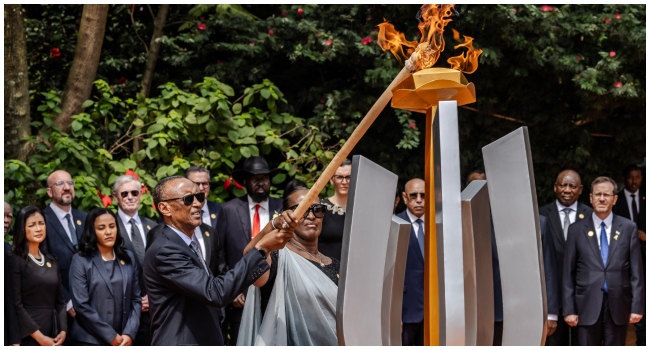
The traditional ceremonies held on April 7 — the day when Hutu militias initiated the violence in 1994 — commenced with Kagame igniting a remembrance flame at the Kigali Genocide Memorial, believed to be the final resting place for over 250,000 victims.
As an army band played mournful melodies, Kagame placed wreaths on the mass graves, flanked by foreign dignitaries including several African heads of state and former US president Bill Clinton, who had called the genocide the biggest failure of his administration.
The international community’s failure to intervene has been a cause of lingering shame, with French President Emmanuel Macron expected to release a message on Sunday saying that France and its Western and African allies “could have stopped” the bloodshed but lacked the will to do so.
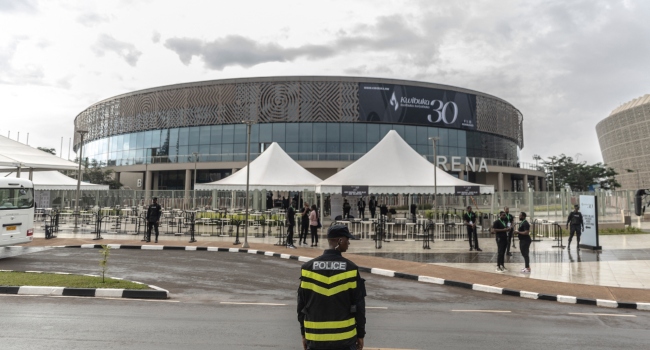
Kagame will also give a speech at a 10,000-seat arena in the capital, where Rwandans will later hold a candlelight vigil for those killed in the slaughter.
– Week of national mourning –
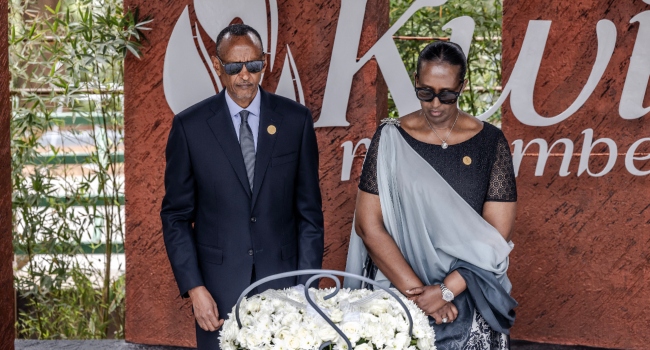 President of Rwanda Paul Kagame (L) and his wife Jeannette Kagame (R) react in front of a wreath during the commemorations of the 30th Anniversary of the 1994 Rwandan genocide at the Kigali Genocide Memorial in Kigali on April 7, 2024.
Sunday’s events mark the start of a week of national mourning, with Rwanda effectively coming to a standstill and national flags flown at half-mast.
Music will not be allowed in public places or on the radio, while sports events and movies are banned from TV broadcasts unless connected to what has been dubbed “Kwibuka (Remembrance) 30”.
The United Nations and the African Union will also hold remembrance ceremonies.
Karel Kovanda, a former Czech diplomat who was the first UN ambassador to publicly call the events of 1994 a genocide, nearly a month after the killings began, said the massacres should never be forgotten.
“The page cannot be turned,” he told AFP in an interview in Kigali, urging efforts to ensure that “the genocide (doesn’t) slip into oblivion”.
The assassination of Hutu President Juvenal Habyarimana on the night of April 6, when his plane was shot down over Kigali, triggered the rampage by Hutu extremists and the “Interahamwe” militia.
Their victims were shot, beaten or hacked to death in killings fuelled by vicious anti-Tutsi propaganda broadcast on TV and radio. At least 250,000 women were raped, according to UN figures.
Each year new mass graves are uncovered around the country.
In 2002, Rwanda set up community tribunals where victims heard “confessions” from those who had persecuted them, although rights watchdogs said the system also resulted in miscarriages of justice.
Today, Rwandan ID cards do not mention whether a person is Hutu or Tutsi.
Secondary school students learn about the genocide as part of a tightly controlled curriculum.
The country is home to over 200 memorials to the genocide, four of which were added to UNESCO’s World Heritage list last year.
READ ALSO: Lagos Examinations Board commence registration for 2024/2025 academic session screening test
The memorials house skulls, bone fragments, torn clothing and images of piled-up corpses as well as the guns, machetes and other weapons used to carry out the slaughter.
– Fleeing justice –
Only 28 have been extradited to Rwanda from around the world.
France, one of the top destinations for Rwandans fleeing justice at home, has tried and convicted half a dozen people over their involvement in the killings.
The French government had been a long-standing backer of Habyarimana’s regime, leading to decades of tensions between the two countries.
In 2021, Macron acknowledged France’s role in the genocide and its refusal to heed warnings of looming massacres but stopped short of an official apology.