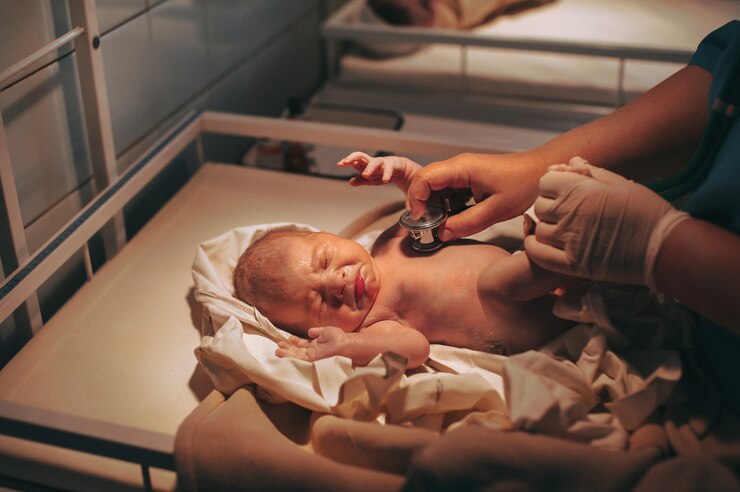
In a bid to tackle deaths from pregnancy-related complications in remote areas of Africa, the Bill & Melinda Gates Foundation has unveiled portable ultrasound technology.
Dr. Anita Zaidi, President of Gender Equality at the Bill & Melinda Gates Foundation, disclosed this to the news reporters on the sidelines of the WomenLift Health Global Conference 2024 in Dar es Salaam, Tanzania.
Zaidi emphasized the dire need for accessible diagnostic tools in regions where healthcare facilities were scarce.
“Every year, nearly 300,000 women and over four million newborns perish due to pregnancy-related complications,” she stated, underscoring the disproportionate impact on low- and middle-income countries.
She said that the innovative ultrasound devices, compact as a water bottle and equipped with artificial intelligence capabilities, aim to revolutionize prenatal care by enabling early detection of life-threatening conditions.
“By democratizing access to such technologies,” she asserted, “we can save more lives and ensure healthier outcomes for mothers and babies worldwide.”
According to her, field testing has showcased the effectiveness of the devices in identifying high-risk pregnancies, surpassing human capabilities in estimating gestational age.
“Furthermore, these advancements align with the Foundation’s broader mission to bridge healthcare disparities and foster equitable access to life-saving interventions,” she said.
With partnerships driving the development of these portable, affordable, and AI-enabled ultrasound devices, she remained optimistic about their potential to catalyze transformative change in maternal and child health outcomes globally.
“As the world grapples with persisting healthcare inequities, initiatives like these offer a glimmer of hope, signaling a step forward in the journey toward universal healthcare access and improved maternal and child health outcomes”, she said.
She also announced the introduction of Vaccine Microneedle Array Patches, or VMAPs, indicating that the device heralds a new era in vaccine delivery.
“These patches offer a solution to the challenges of traditional vaccine administration, particularly in regions with limited access to cold chain requirements and trained healthcare workers.
“Early trials demonstrate their effectiveness in delivering vaccines safely, with the potential to eliminate barriers to immunization and protect vulnerable populations from preventable diseases,” she said.
She discussed the transformative potential of next-generation diagnostic systems in identifying life-threatening diseases faster, more affordable, and with greater accessibility.
“These innovations, including low-cost tests and Extreme Volume Manufacturing test strips, aim to revolutionize disease testing, particularly in resource-limited settings.
READ ALSO: FG makes fresh promises on CNG buses, tricycles roll out
“By improving the speed and efficiency of diagnostic processes, these advancements have the potential to save countless lives and mitigate the spread of infectious diseases,” she said.
Meanwhile, Zaidi highlighted the importance of innovation in contraceptive technology to address the unmet needs of women worldwide.
“With a significant percentage of unwanted pregnancies and dissatisfaction with existing contraceptive methods, there is a pressing need for new solutions.
“Promising innovations, such as DMPA-SC and potential monthly pills, patches, and injectables, offer hope for improving contraceptive access and empowering women to make informed choices about their reproductive health,” she explained.
She stressed the critical importance of human papillomavirus, HPV, vaccines, which prevent cervical cancer, a leading cause of cancer-related deaths among women globally.
Despite the effectiveness of HPV vaccines, she said, millions of girls and women lacked access to them, leaving them vulnerable to a preventable disease.
“New research supporting the efficacy of one-dose regimens offers a cost-effective and feasible solution to expand vaccine coverage and protect more individuals from HPV-related cancers,” she said.
Credible News recalled that the maternal mortality rate in Africa, published by Saifaddin Galal, showed that in South Sudan, Chad, and Nigeria, the maternal mortality rate was above 1,000 in 2020.
South Sudan recorded the highest number of mothers’ deaths per 100,000 live births. That year, for every 100,000 children, 1,223 mothers died from incidents related to or aggravated by pregnancy or its management.
The maternal death rate in Chad equaled 1,063, and Nigeria followed with 1,047 deaths per 100,000 live births.
Despite these gains, persistent challenges include health inequities and barriers to accessing quality essential services.
Vulnerable groups, especially rural and low-income populations, face significant disparities in healthcare coverage.
Ongoing crises such as conflicts, climate change, and epidemics further exacerbate these challenges.
Credible news.ng