The Lagos University Teaching Hospital, LUTH, has achieved a significant milestone in Nigerian healthcare by successfully performing its first bone marrow transplant, providing new hope for patients with sickle cell disease, SCD.
This groundbreaking procedure, conducted on patients admitted in the last week of August 2024, marks a pivotal advancement in the country’s medical capabilities and highlights the potential of local healthcare facilities to offer sophisticated treatments for complex conditions like SCD.
Nigeria faces a substantial burden of sickle cell disease, with approximately 150,000 children born with the condition annually. The successful transplant at LUTH represents a turning point for the nation, which has the highest prevalence of SCD globally.
The Chief Medical Director at LUTH, Prof. Wasiu Adeyemo said the initial patients underwent a comprehensive treatment regimen that included exchange blood transfusions, chemotherapy, and anti-infective prophylaxis prior to receiving bone marrow stem cells harvested from family donors. By September 19, 2024, both patients are currently receiving post-transplant care at the hospital.
Globally, around 50 million people live with sickle cell disease, with Nigeria accounting for approximately 4-6 million cases. The country contributes significantly to the global burden of SCD, with about 100,000-150,000 newborns diagnosed each year.
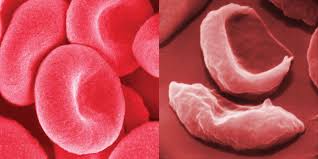
Sickle cell disease is a hereditary blood disorder caused by a mutation in the hemoglobin-producing gene. This condition leads to the formation of rigid red blood cells that can obstruct blood flow, resulting in severe pain and various complications such as stroke and acute chest syndrome. Traditional management focuses on alleviating symptoms rather than curing the disease.
Bone marrow transplantation is currently the only known cure for SCD. The procedure involves replacing defective bone marrow with healthy stem cells from a compatible donor, typically a sibling. While this treatment has been successful in many regions worldwide, it has been largely inaccessible to most Nigerians due to high costs and specialized medical requirements.
LUTH’s achievement is the culmination of years of preparation and collaboration with the Sickle Cell Foundation Nigeria, SCFN, which has played a crucial role in establishing an internationally accredited bone marrow transplant program. This partnership has enabled Nigerians to access life-saving treatments locally rather than traveling abroad for care.
The program at LUTH is supported by a multidisciplinary team of specialists, including pediatric and adult hematologists and other healthcare professionals. It has benefited from guidance by experts from notable institutions such as Vanderbilt University Medical Center and Imperial College London Healthcare NHS Trust.
Dr. Annette Akinsete, CEO of SCFN, expressed her excitement over this milestone, emphasizing their commitment to providing critical treatment for sickle cell disease within Nigeria.
The successful transplant at LUTH serves as a beacon of hope for many Nigerians affected by sickle cell disease. It illustrates that Nigeria can deliver advanced medical care and signals an opportunity for further investment in training and infrastructure to enhance patient access to this life-saving procedure. LUTH aims to expand its program in the future to serve more patients while reducing costs.
Overall, this collaboration between LUTH and SCFN demonstrates that with dedication and strategic partnerships, Nigeria can effectively address its healthcare challenges and offer solutions that benefit its citizens.
Credible News.ng