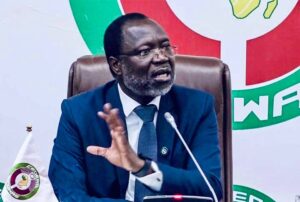
The Economic Community of West African States ,ECOWAS, has praised Nigeria’s unwavering commitment to addressing the myriad security challenges plaguing the West African region.
This acknowledgment comes amid escalating threats from terrorism, organized crime, and political instability that have increasingly endangered the lives of millions across member states.
The commendation was articulated during a recent meeting of the ECOWAS Committee of Chiefs of Defence Staff held in Abuja, where top military leaders from across West Africa convened to discuss pressing security issues. Nigeria, under the leadership of President Bola Tinubu, has emerged as a pivotal force in regional efforts to combat these challenges. The Minister of Defence, H.E. Mohammed Badaru Abubakar, emphasized the importance of collective action and regional cooperation in his address, stating that “the responsibility to safeguard our region’s stability and security lies with all member states.”
Nigeria’s proactive stance includes operationalizing the ECOWAS Standby Force, which is designed to respond swiftly to crises and restore constitutional order where it is threatened. This initiative is particularly crucial given the alarming rise in terrorist activities, with over 1,800 attacks reported in the first half of 2023 alone, resulting in nearly 4,600 fatalities across the region. President Tinubu has been vocal about strengthening democratic norms and countering military coups, which have destabilized several nations in West Africa.
READ ALSO: ECOWAS parliament propose laws to boost sub-regional healthcare, education
The ECOWAS Commission President, Dr. Omar Alieu Touray, highlighted the urgent need for a coordinated response to security threats during a recent session. He pointed out that addressing terrorism and violent extremism requires innovative governance strategies and robust regional cooperation. The ECOWAS Mediation and Security Council is actively reviewing its Counter-Terrorism Action Plan to enhance its effectiveness against these evolving threats.
Furthermore, Nigeria’s leadership within ECOWAS has facilitated significant humanitarian initiatives aimed at alleviating the suffering caused by conflict and insecurity. The bloc has allocated substantial funds to support refugees and internally displaced persons while also promoting food security and health initiatives across member states.
Despite these efforts, challenges remain daunting. Political instability in countries like Burkina Faso, Mali, and Niger continues to pose risks not only to national security but also to regional cohesion. In response to these ongoing crises, President Tinubu has called for continuous dialogue with affected nations to maintain unity within ECOWAS.
The recent developments underscore Nigeria’s critical role as a stabilizing force in West Africa. As it navigates its internal security challenges while leading regional initiatives, Nigeria’s dogged efforts have garnered recognition from ECOWAS and set a precedent for collaborative security measures among member states. The future of West African stability hinges on sustained cooperation and shared commitment to peace and security among all nations involved.
Credible News.ng