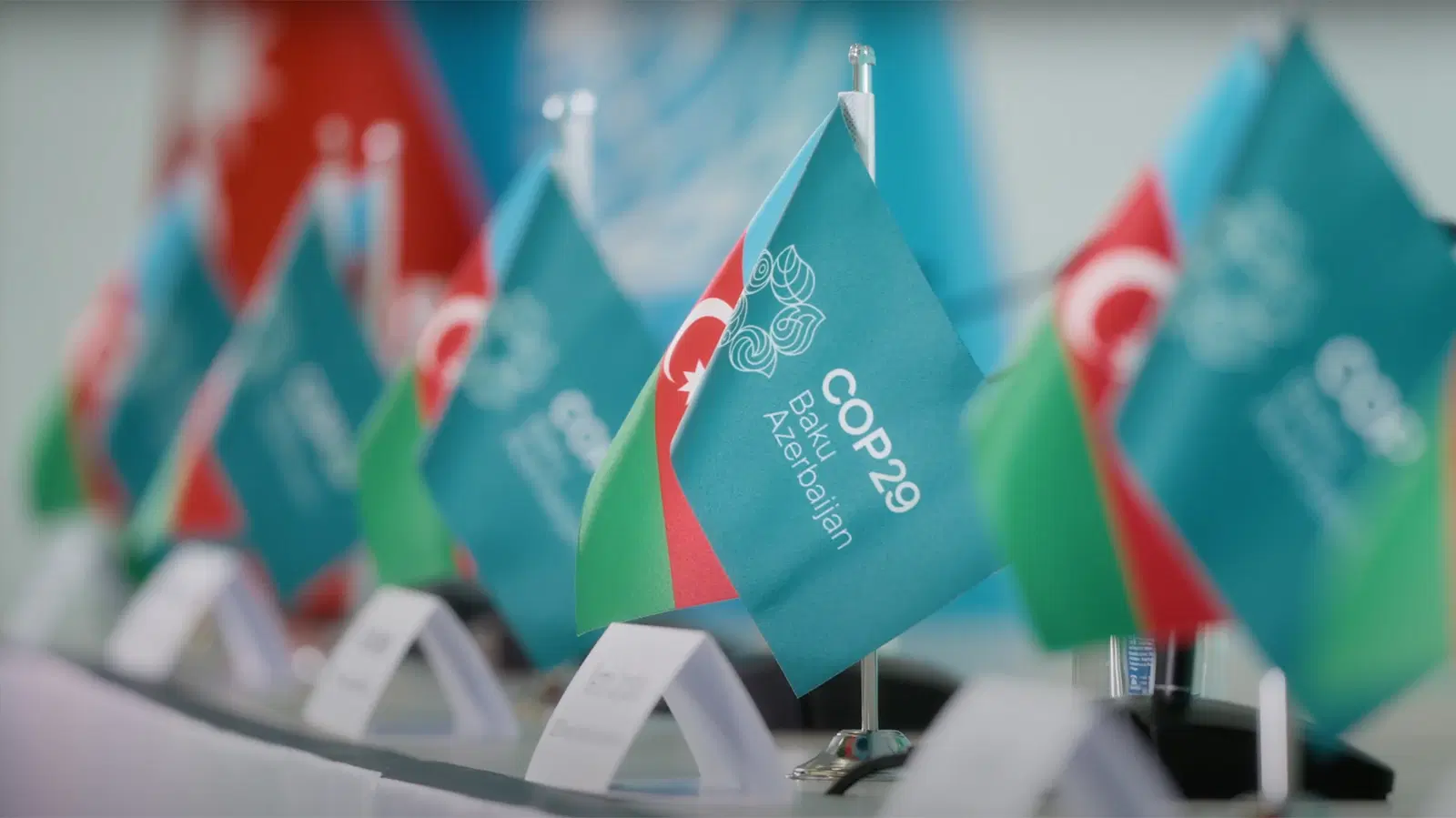
A heated debate is brewing ahead of the upcoming COP29 climate conference, as developing nations seek trillions in climate aid, but questions remain about who should shoulder the burden.
Wealthy countries and big polluters are under pressure to foot the bill, but many argue that emerging economies like China, now the world’s largest polluter and second-largest economy, should also contribute.
At the heart of the debate is the current $100 billion annual climate finance commitment made by the richest nations in 1992, including the United States, European Union, Canada, and Japan. While these countries agree that more funding is needed, they argue that economic and environmental realities have evolved. Now, nations that have become more prosperous, like China, Singapore, and oil-rich Gulf states, should also pitch in.
The United States and other wealthy nations have called for broadening the donor base, suggesting that new criteria, such as income levels or greenhouse gas emissions, should determine who contributes. However, this push has sparked fierce resistance from developing countries, who argue that wealthier nations—historically responsible for most emissions—should maintain their legal and financial obligations.
READ ALSO : COP29: Armenia must stop stalling and start walking the path to peace
China, India, Brazil, and South Africa have strongly rejected attempts to shift this responsibility, emphasizing that the 2015 Paris climate agreement reaffirms developed countries’ duty to pay for climate damages.
Despite the divide, Azerbaijan’s lead negotiator, Yalchin Rafiyev, has noted a softening in positions between the U.S. and China, signaling that compromise may be possible. Though formal additions to the donor list are unlikely at COP29, voluntary contributions from countries like China—which already contributes billions in climate aid on its own terms—could help narrow the gap in funding.
As the COP29 negotiations approach, the key issue remains unresolved: how to fairly distribute the financial burden needed to combat global warming, with some developing countries calling for over $1 trillion in annual climate aid. Whether this debate can be settled at the talks in oil-rich Azerbaijan will be critical to the future of global climate action.
Credible News.ng