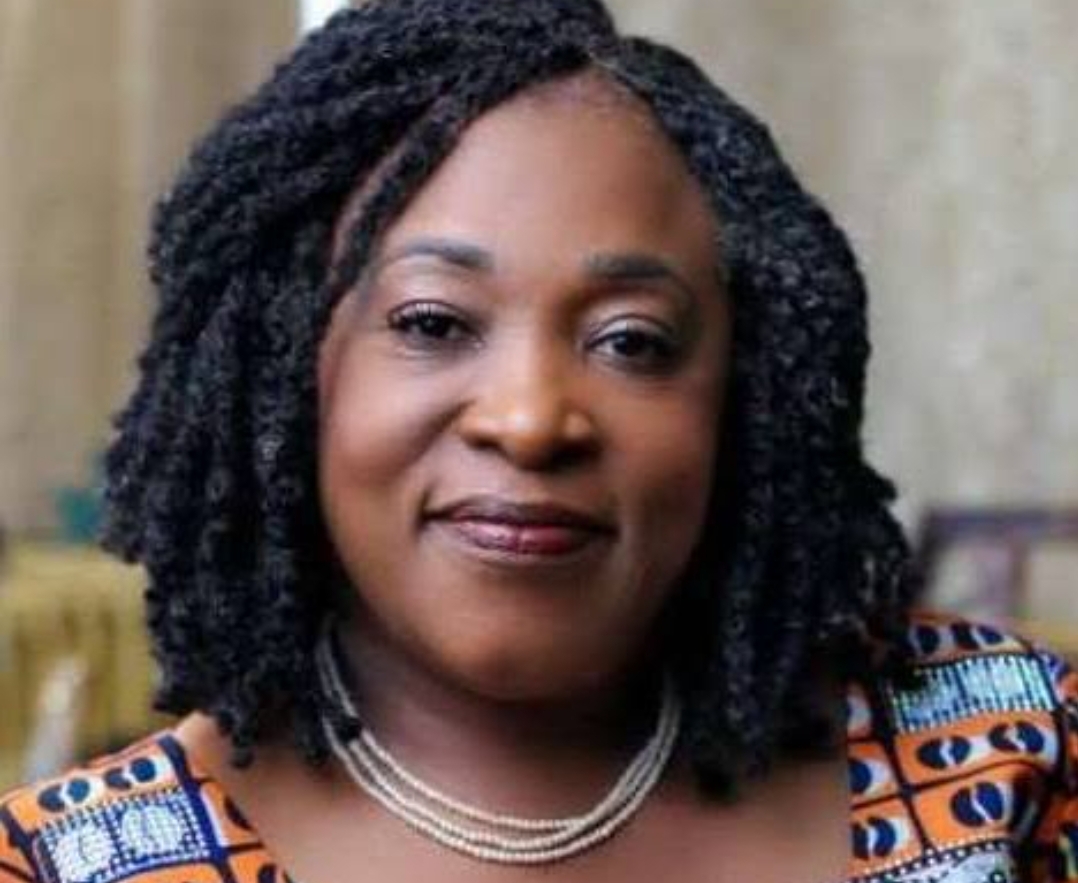
Ghana’s Foreign Minister, Shirley Ayorkor Botchwey has emerged as the new Secretary-General of the Commonwealth, a 56-nation organization primarily composed of former British colonies.
Following a contentious summit in Samoa on Saturday, Botchwey beat two other candidates all advocating for reparations and addressing the colonial legacy.
She has served as foreign minister for seven years and played a significant role during Ghana’s tenure on the UN Security Council.
The Commonwealth promotes democratic governance, trade cooperation, education, and climate advocacy, and is led by King Charles III.
Her support for a free trade agreement among member states aligns with her stance on reparations. “Financial reparations is good,” she stated at a London event earlier this year.
By convention, the secretary-general role rotates among four geographical regions, and it was Africa’s turn this time. The outgoing secretary-general, Dominican Baroness Patricia Scotland, previously held the position.
READ ALSO: Plane damage forces cancellation of Shettima’s trip to Samoa
Botchwey expressed her gratitude on social media, stating, “I am truly humbled by the overwhelming support of the Commonwealth Heads of Government. The work indeed lies ahead!”
Discussions at the summit, initially focused on climate change, became heated over the issue of reparations. Many nations in Africa, the Caribbean, and the Pacific are pressing for financial compensation from Britain for the injustices of slavery.
Bahamas Prime Minister Philip Davis emphasized the necessity of confronting these historical wrongs: “Reparatory justice is not an easy conversation, but it’s an important one.”
Experts estimate that 10 to 15 million Africans were enslaved and taken to the Americas over centuries, a devastating legacy that may never be fully quantified. The slave trade officially ended around 1870.
Calls for the British royal family to apologize have grown louder, particularly given its historical ties to the slave trade. At the summit, King Charles acknowledged the painful past but urged delegates to “reject the language of division,” emphasizing the need to learn from history and address ongoing inequalities.
Credible News.ng