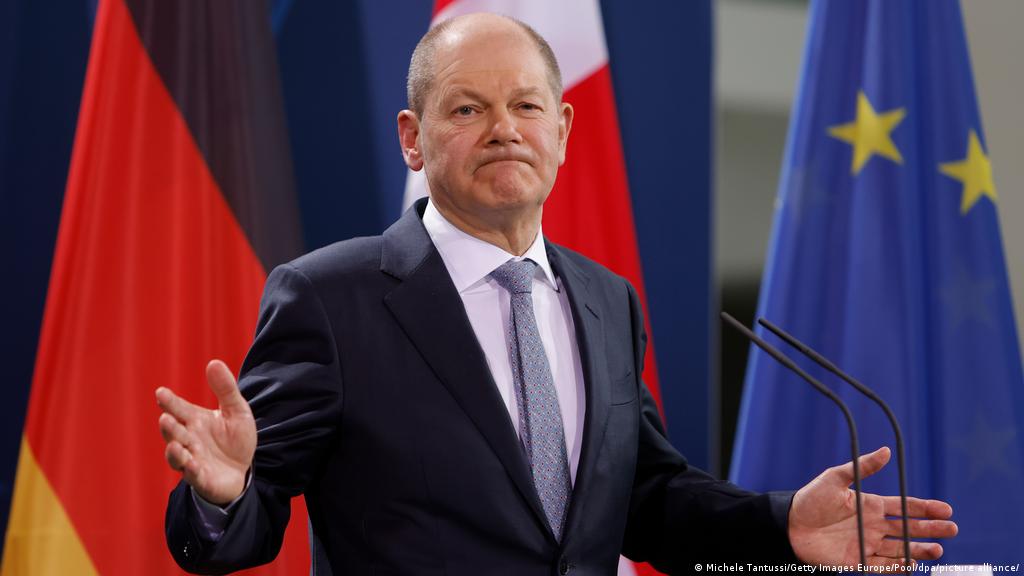
German Chancellor Olaf Scholz has lost a confidence vote in parliament, triggering snap elections seven months ahead of schedule.
The vote on Monday came after Scholz’s fragile coalition collapsed, sparking a political crisis in the European Union’s largest economy.
Scholz won the support of 207 lawmakers in the 733-seat lower house, or Bundestag, while 394 members voted against him and 116 abstained. That left him far short of the majority of 367 needed to win.
The elections for a new parliament will take place on February 23.
The governing coalition, which had consisted of three political parties, was shaken when Scholz fired Finance Minister Christian Lindner in November.
Lindner’s pro-business Free Democrats then quit the coalition government, robbing Scholz of a majority in parliament.
Scholz’s centre-left Social Democrats and the Greens will continue running the country without parliamentary backing until a new government is formed.
READ ALSO: Germany set for snap election in February
Monday’s move came after months of infighting over fiscal priorities and debt spending.
Earlier this month, a hung parliament in neighbouring France toppled the country’s prime minister with no confidence vote.
The crisis in France prompted President Emanuel Macron to name centrist politician Francois Bayrou as new prime minister without triggering a new election. But it highlighted the intensifying political rifts in EU countries amid economic uncertainty and the war in Ukraine.
In Germany, Scholz – who previously served as mayor of Hamburg and finance minister before becoming the head of a new government in 2021 – accused the Free Democrats of wanting to block investment in the country.
Seen as a continuity candidate when he took over from Angela Merkel three years ago, he has
framed next year’s election as an opportunity for voters to set a new course, casting the vote as a
choice between a future of growth versus one of austerity.
If he is given a second term, Scholz said he would invest heavily in Germany’s creaking infrastructure and would not make the spending cuts he said the conservatives want.
Scholz and the leader of the conservative Christian Democratic Union, Friedrich Merz, who polls suggest is likely to be the next chancellor, clashed in a debate before Monday’s vote, accusing each other of incompetence.
“Shortsightedness might save money in the short term, but the mortgage on our future is unaffordable,” Scholz told lawmakers.
Merz told Scholz that his spending plans would burden future generations and accused the chancellor of failing to deliver on promises of rearmament since Russia’s invasion of Ukraine.
Aljazeera.com