The Federal Government has unveiled plans to standardize electricity tariffs in an effort to address inconsistencies in the current billing system and promote investment in the power sector.
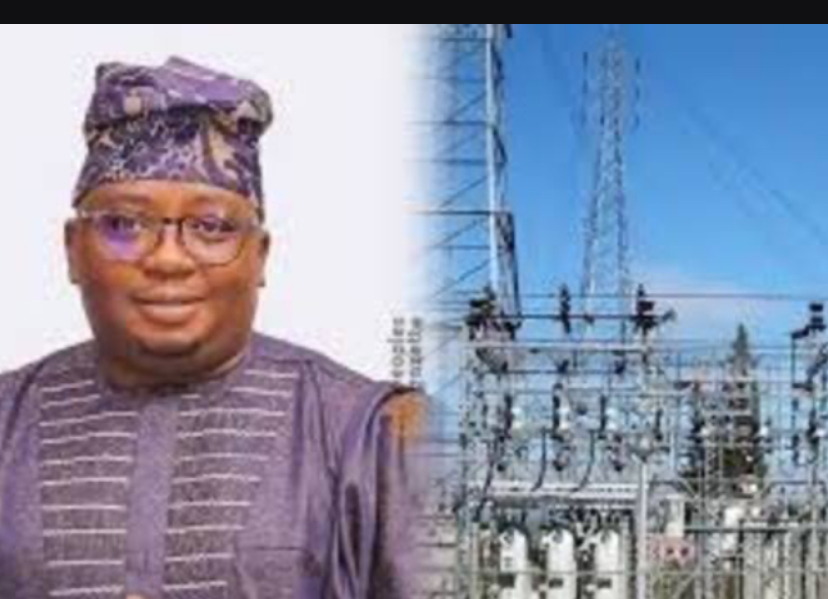
Minister of Power, Adebayo Adelabu, shared this information during the ongoing public presentation of the National Integrated Electricity Policy and Nigeria Integrated Resource Plan on Thursday in Abuja.
He explained that the government is considering this move due to the slow progress in transitioning to Band A customers, which he attributed to Distribution Companies’ hesitance to invest in necessary infrastructure.
Under the existing system, Band B customers, who receive 17 to 18 hours of electricity daily, are charged N63 per kilowatt-hour, while those in Band A, who get just two additional hours of supply, pay N209 per kilowatt-hour.
Adelabu called this disparity “unfair” and emphasized the need to regularize the tariffs to create a more balanced and equitable pricing system.
“We will reassess the tariff,” the minister said. “I’m not saying we’re going to raise the tariff, so please don’t misquote me. We’ll review it and explore how we can build on last year’s progress to grow the sector and secure more investment to overhaul the aging infrastructure.”
READ ALSO: FG may peg telecom tariff hike to 35%
“The migration to Band A should have progressed more quickly, but we discovered that DisCos are unwilling to invest. They have refused to invest in this sector, and significant investment is needed to accelerate the migration of lower-band customers to Band A. This process is taking much longer than expected.”
As a result, the government is considering restructuring the tariff bands to reduce the current large gap between them.
The proposed new system, which would include Bands A, B, and C, aims to address these disparities.
“The gap between Band A tariffs and those of Bands B, C, D, and E is far too wide,” Adelabu stated. “We believe this is unfair, and we must carry out some form of regularization.”
He reiterated the government’s commitment to reviewing the tariff structure, but was quick to clarify that this review does not necessarily signal an imminent increase in rates.
Crediblenewsng.com