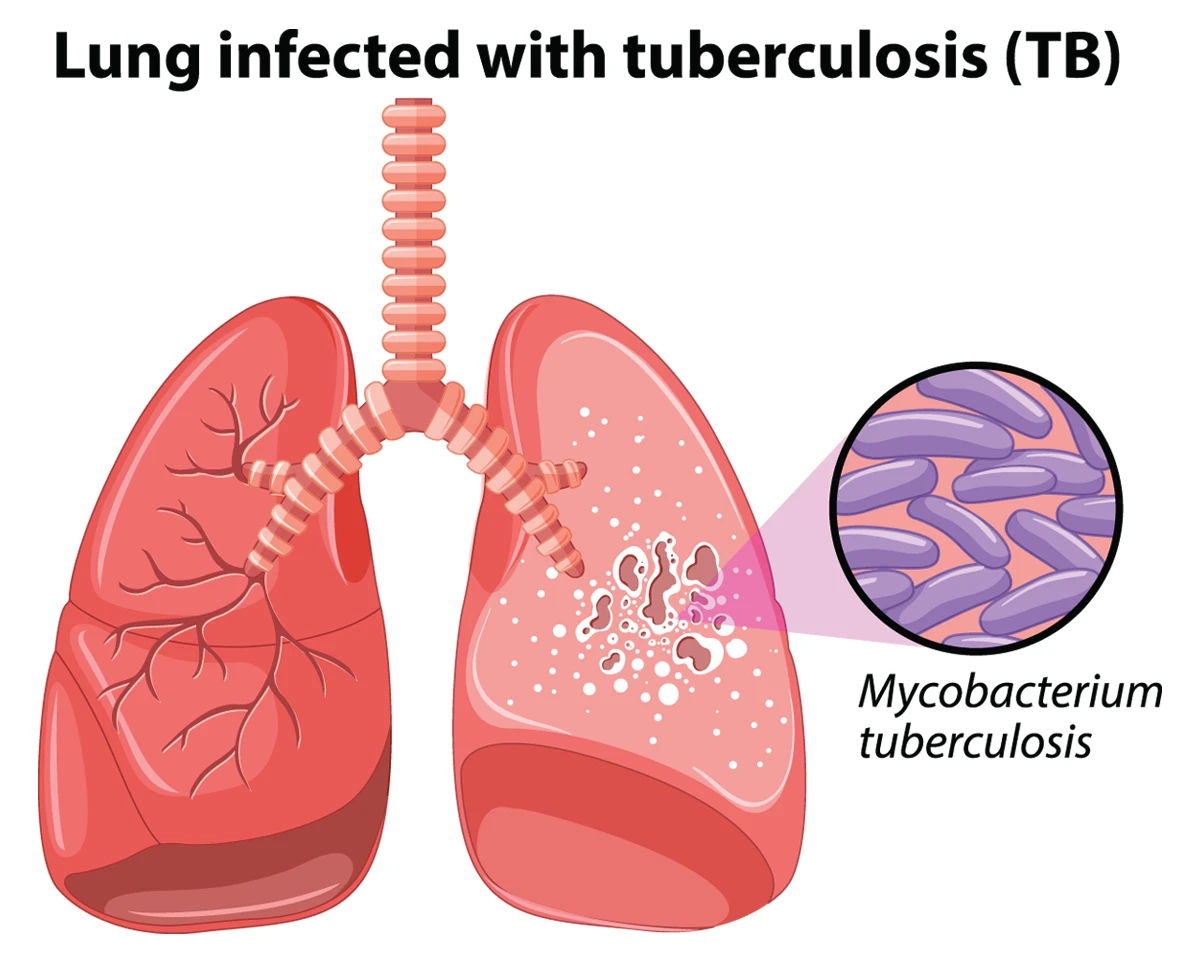
The World Health Organisation, WHO, has raised alarm over severe funding cuts set to cripple global tuberculosis programmes, particularly in low- and middle-income countries heavily reliant on international aid.
In a statement on Thursday in Abuja, WHO warned that 18 of the highest-burden countries face a major setback, with 89% of their expected U.S. funding for tuberculosis care now in jeopardy. The African region is expected to suffer the most, followed by South-East Asia and the Western Pacific.
Over the past two decades, international funding has been instrumental in saving more than 79 million lives and preventing approximately 3.65 million TB-related deaths in the past year alone. However, abrupt funding cuts now threaten these gains, putting millions—especially the most vulnerable—at risk.
The U.S. has historically contributed between $200 million and $250 million annually to TB response efforts, accounting for roughly a quarter of total international donor funding for the disease. The sudden withdrawal of this support is already dismantling essential services in high-burden countries.
WHO’s Director of Global TB Programme, Dr. Tereza Kasaeva, stressed that any disruption—whether financial, political, or operational—could lead to devastating and fatal consequences.
READ ALSO: US suspends aid, investigates funds application
She pointed to the COVID-19 pandemic as a grim example, where service interruptions resulted in over 700,000 excess TB deaths between 2020 and 2023.
Early reports indicate that the crisis is already unfolding, with national tuberculosis programmes facing mass layoffs, suspended technical assistance, collapsing drug supply chains, and crippled diagnostic services. Community engagement efforts such as screening and contact tracing are deteriorating, increasing transmission risks.
Adding to the crisis, USAID—one of the world’s top tuberculosis research funders—has halted all its funded trials, bringing vital research and innovation to a standstill.
Kasaeva urged swift, strategic, and fully resourced interventions to prevent a global health catastrophe, emphasizing WHO’s commitment to guiding countries toward their End TB targets for 2027 and 2030.
Without immediate action, decades of progress against TB could be undone, endangering millions worldwide.
NAN