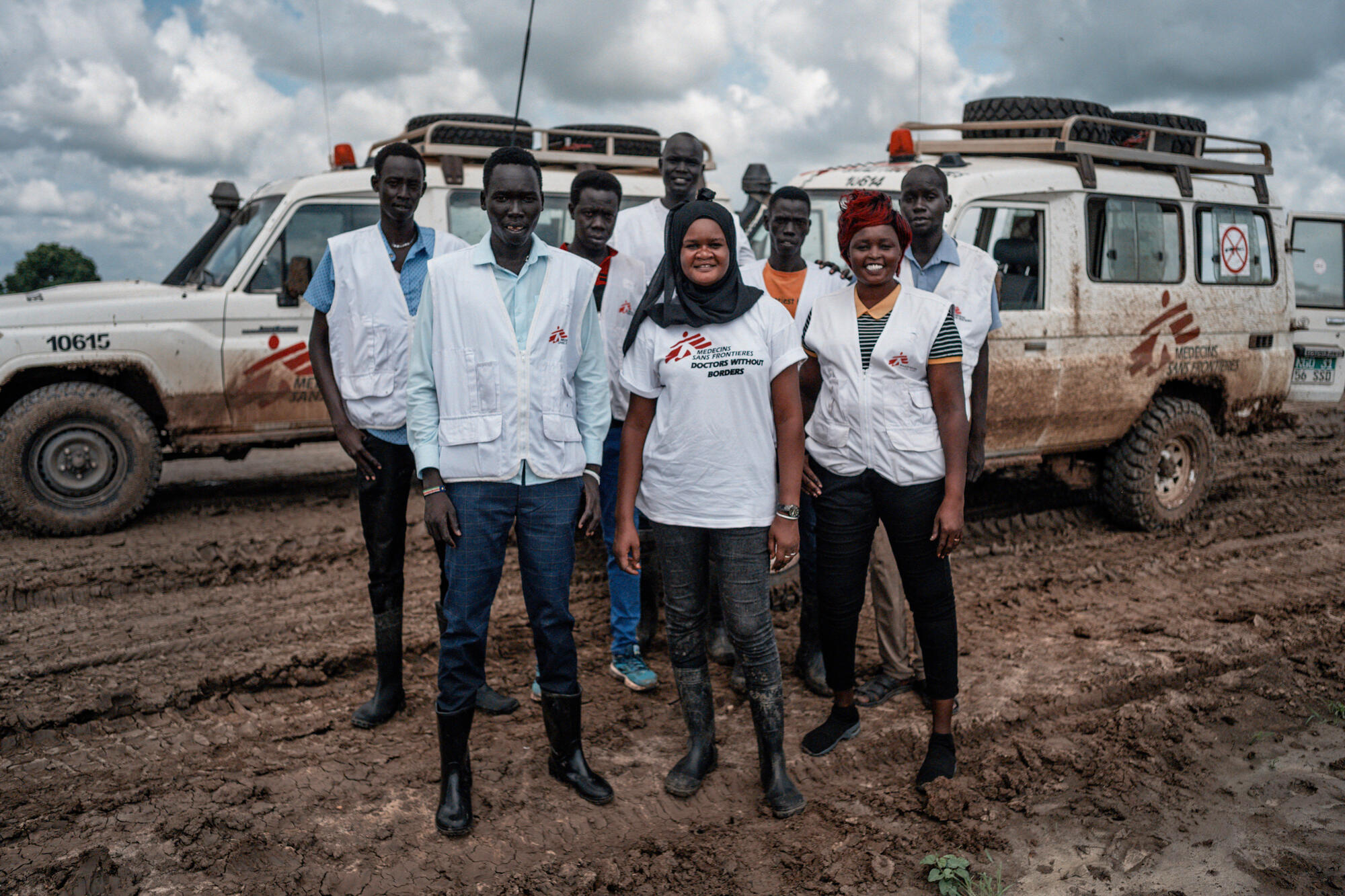
Médecins Sans Frontières,MSF, Kebbi Government and partners launch vaccination campaign to immunise over 500,000 residents against cerebrospinal meningitis.
Dr Sham’un Abubakar, MSF’s Mobile Emergency Coordinator, disclosed this during a visit to Gwandu, Aliero, and Jega—the worst-affected local government areas—on Wednesday.
Kebbi State had declared an outbreak in March following confirmed laboratory cases, with fatalities recorded, including students of the State University of Science and Technology, Aliero.
Cerebrospinal meningitis is a severe infection that inflames the protective membranes of the brain and spinal cord.
Symptoms include fever, headache, neck stiffness, and light sensitivity. Prompt treatment is crucial to reduce complications and fatalities.
Abubakar stated that MSF has treated 1,531 patients since March, with a case fatality rate of about seven per cent. The ongoing vaccination drive aims to reach 513,051 individuals aged one to 29 years within seven to eight days.
READ ALSO: WHO launches first global meningitis guide
He noted that the campaign is a joint effort involving the State Ministry of Health, WHO, UNICEF, and the National Primary Healthcare Development Agency.
The team is also vaccinating children aged one to five years against measles, following reports of outbreaks in eight LGAs.
“This effort is not only about meningitis. We are taking advantage of this period to strengthen routine immunisation efforts and provide protection against other potential outbreaks,” Abubakar said.
He said MSF and its partners are supervising 429 vaccination sites to ensure quality and efficiency across the three LGAs. Additional MSF staff have been deployed for case management in all isolation centres.
Abubakar highlighted that Nigeria, particularly the 19 northern states, lies within the “meningitis belt” of Africa—an area stretching from Ethiopia to Mali. He explained that humans are the primary carriers of the bacteria, which spreads through respiratory droplets.
He expressed optimism over the decline in cases, noting that isolation centres are gradually recording fewer patients.
NAN