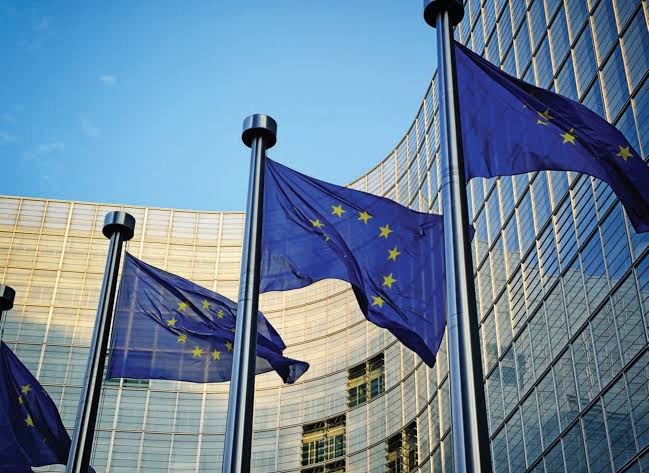
European Union, EU, foreign and defence ministers are convening in Brussels to address several major global concerns, including Russia’s war on Ukraine, worsening tensions in the Middle East, and Europe’s need for stronger military capabilities.
A key decision on Tuesday is the formal approval of the EU’s 17th sanctions package against Russia, this time focused on disrupting Moscow’s so-called “shadow fleet.”
These ships, often operating without proper insurance and using concealed ownership, have played a crucial role in bypassing Western oil sanctions.
The new measures also include travel bans and asset freezes targeting more than a dozen individuals, alongside sanctions on several companies accused of helping Moscow skirt existing restrictions.
Ukraine’s Foreign Minister, Andrii Sybiha, is expected to address his EU counterparts via video following another round of failed ceasefire talks between Ukrainian and Russian negotiators. His appearance underscores continued EU backing for Ukraine as the war grinds on.
READ ALSO: EU targets Russia with new sanctions
In addition to Ukraine, foreign ministers will deliberate on the rising instability in the Middle East, with particular focus on ongoing hostilities in Gaza and Syria.
On the military front, EU defence ministers are set to evaluate the bloc’s support for Ukraine’s armed forces. Ukraine’s Defence Minister Rustem Umerov will join remotely, while NATO Secretary General Mark Rutte is scheduled to participate in person.
Ministers will also consider a sweeping proposal to establish a €150 billion defence fund, aimed at boosting the EU’s military readiness and capabilities in light of ongoing global threats.
The Brussels meeting reflects growing urgency within the EU to both reinforce its external security commitments and respond to evolving conflicts on multiple fronts.
NAN