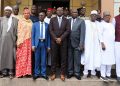
Determined to promote gender inclusion in the political process, the International Press Centre, IPC, and the Guild of Corporate Online Publishers, GOCOP, met in Abuja recently at a consultative meeting for inclusive reporting of gender issues on electoral and democratic process in Abuja.
The forum, part of a serial engagement between IPC and GOCOP with the overarching objective of professionally empowering women journalists and Online media practitioners, was designed to mainstream women’s electoral issues in the media to improve outcomes for female politicians.
GOCOP President, Maureen Chigbo, in her opening remarks set the tone and direction of the discourse by urging participants to develop actionable plans to effectively mainstream women electoral issues in the media and to boost positive electoral outcomes for female politicians.
Executive Director of the International Press Centre, IPC, Lanre Arogundade provided an overview of IPC’s female-focused program activities supported by the European Union. He emphasized the expectation that GOCOP and its members would commit to increasing the coverage and reportage of women’s electoral and democratic issues. He also highlighted the importance of creating an enabling environment for journalists to investigate and report these issues in-depth for visible results.
Executive Director of Illuminate Nigeria Development Network, Ms. Anikeade Funke-Treasure highlighted issues germane to women participation in politics in her lead presentation titled “Utilizing Media Power to Promote Electoral Outcomes and Reforms Addressing Women’s Issues: A Roadmap for GOCOP/Journalists.”
Also Read: Women push for special seats in governance
She emphasized the need for GOCOP and its members to adopt deliberate and positively disruptive measures to change the narrative about women’s electoral and political issues through intense reporting and advocacy.
Anikeade stressed the importance of supporting the viability of female candidates for appointive and elective offices and ensuring their continued visibility in the media.
Participants highlighted several key challenges that women face in the political arena. These included low media coverage of women in politics, high costs of candidacy, and societal biases that hinder women’s participation. These factors have contributed to a decline in women’s representation in legislative bodies.
To tackle these issues, the meeting proposed several actionable resolutions. GOCOP was urged to actively promote women’s electoral issues and enhance the capacity of elected female politicians. Additionally, the creation of platforms to increase women’s visibility in politics was emphasized. Collaborative efforts with community leaders to encourage women’s political participation were also highlighted as crucial steps.
The role of the media was a central theme of the discussion. GOCOP members were encouraged to establish dedicated sections for women-focused content and advocate for policies that support women’s political engagement. This includes reducing campaign finance burdens and fulfilling affirmative action targets.
Participants noted significant issues such as low media coverage of women in politics, high costs of candidacy, and societal biases that hinder women’s participation. These factors have led to a decline in women’s representation in legislative bodies.
The meeting resolved that GOCOP should actively promote women’s electoral issues, enhance the capacity of elected female politicians, and create platforms for women’s visibility in politics. Collaborative efforts with community leaders to encourage women’s political participation were also emphasized.
Before rising, GOCOP members agreed to establish dedicated sections for women-focused content and advocate for policies that support women’s political engagement, including reducing campaign finance burdens and fulfilling affirmative action targets.
The meeting concluded with a strong commitment from GOCOP to continue its efforts in promoting gender equality in politics and ensuring that women’s voices are heard and represented in the electoral process.
The meeting was supported by the European Union through the European Union Support to Democratic Governance in Nigeria (EU-SDGNII) programme, spanning five key components including support to INEC, the National Assembly and Judiciary, political parties, civil society, and the media with the aim of promoting pluralistic, inclusive, and participatory democracy in Nigeria.
IPC is the lead partner for Component 4: Support to Media, being implemented with the Centre for Media and Society.
Crediblenewsng.com