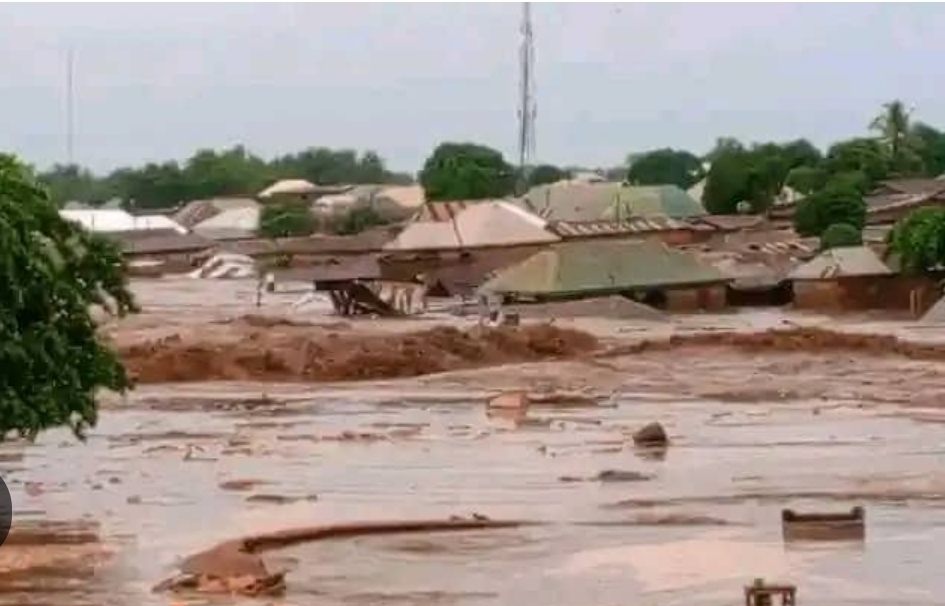
Following the devastating flood that swept through Mokwa in Niger State, killing over 100 people and displacing more than 3,000 others, the Health of Mother Earth Foundation, HOMEF, has called on the Federal Government to declare a national environmental emergency and take proactive measures to prevent future tragedies.
The flooding, which occurred in the early hours of May 29 following intense rainfall, left a trail of destruction in Mokwa, a key transit town in North Central Nigeria.
Homes were submerged, livelihoods lost, and dozens remain missing. The scale of destruction has plunged the entire town into mourning.
Reacting to the disaster, Dr. Nnimmo Bassey, Executive Director of HOMEF, described the situation as a “horrendous recurring decimal,” lamenting that Nigeria’s lack of preparedness and poorly maintained infrastructure continues to magnify the impact of natural disasters.
In a statement released by Kome Odhomor, the foundation’s Media and Communication Lead, Bassey expressed deep sympathy for the affected families while stressing the urgent need for systemic change.
“With more rain expected and insecurity already displacing many, the crisis could spiral even further,” Bassey warned. “Declaring an environmental emergency is not just symbolic—it must come with real actions to protect lives.”
Despite weather forecasts and early warnings from the National Emergency Management Agency, NEMA, the government failed to act decisively, he said.
“Forecasts become meaningless if we don’t make provisions to move people to higher, safer ground,” Bassey added. “Emergency preparedness is not optional—it is critical.”
Also speaking, Stephen Oduware, HOMEF’s Programme Manager for Fossil Politics, condemned the government’s “reactionary and palliative” approach to disaster response.
READ ALSO: More bodies found after Niger flood disaster
“We can no longer afford to only show sympathy after the damage is done,” he said. “Floods are not just a climate issue. They are made worse by unplanned urban development, poor drainage systems, and disjointed emergency responses.”
He noted that unless Nigeria shifts to climate-resilient urban planning and stronger institutional coordination, more communities will suffer preventable disasters.
HOMEF also called for strategic investments in infrastructure that can withstand extreme weather conditions, protection of wetlands and natural water channels, and collaboration between federal, state, and local agencies.
“Only by addressing root causes like climate change, poor city planning, and a chronic lack of preparedness can Nigeria escape this cycle of tragedy,” Odhomor concluded.
As Mokwa begins the painful process of recovery, civil society groups are hoping this latest disaster serves as a wake-up call for leaders to treat environmental threats as a national security and development priority—not just an afterthought once tragedy strikes.
NAN