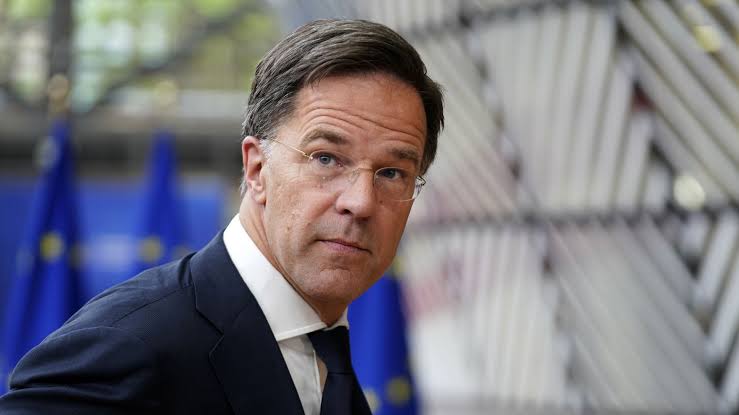
NATO Secretary-General Mark Rutte announced on Wednesday that the alliance is set to agree on ambitious new defence capability targets during its upcoming defence ministers’ meeting.
These targets are aimed at bolstering NATO’s collective defence readiness amid growing global threats.
Speaking in Brussels ahead of the high-level meeting scheduled for Thursday, Rutte revealed that the planned targets would specify the types of forces and military capabilities each member state must provide.
These include enhanced air and missile defence systems, long-range strike capabilities, logistics improvements, and expanded land manoeuvre formations.
“These are among our top priorities,” Rutte stated. “We need more resources, more forces, and more capabilities to ensure we are fully prepared to face any threat and implement our collective defence plans without hesitation.”
Rutte described the incoming targets as a “huge leap forward” toward creating a stronger, fairer, and more lethal alliance.
Though specifics of the plans remain classified, defence ministers are expected to formally adopt the new strategy during their session in Brussels.
The NATO chief pointed to an increasingly unstable global security landscape as a driving force behind the push for expanded capabilities.
READ ALSO: Ukraine prepares for NATO summit at The Hague
Citing Russia’s ongoing war against Ukraine, rising terrorism, and intensifying geopolitical rivalries, Rutte stressed that NATO must evolve to remain effective.
In line with these objectives, NATO member states are expected to increase their defence spending. A related decision on higher military budgets is anticipated at the alliance’s upcoming leaders’ summit in The Hague later this month.
As part of the new plan, countries such as Germany will be assigned specific national targets for upgrading their military forces, including modernising weapon systems and expanding strategic infrastructure.
According to diplomatic sources cited by German news agency dpa, the new requirements will mark an approximate 30% increase from the current capability goals. However, implementing the new targets may pose significant challenges.
NATO officials acknowledge that even the existing targets have yet to be fully met, with some military leaders identifying a 30% capability gap.
Despite the uphill task, Rutte affirmed NATO’s determination to close that gap and deliver on its commitments.
“We are building a NATO that is not only fit for purpose today, but one that will stand firm in the face of tomorrow’s uncertainties,” he said.
The expanded defence plans come at a time when many member states are already grappling with tight budgets and competing national priorities.
Nonetheless, alliance leaders insist that meeting the new defence requirements is essential for preserving stability and deterring future aggression.
With formal adoption expected Thursday, NATO’s revised strategy marks one of the most comprehensive recalibrations of its defence posture in recent years—underscoring the alliance’s ongoing adaptation to a rapidly shifting global security environment.
NAN