MTN, Airtel, Globacom, and 9mobile — have issued a strong warning to banks, threatening to suspend support for Unstructured Supplementary Service Data, USSD, services if the financial institutions continue spreading what the telcos describe as deliberate misinformation.
The conflict stems from a recent customer notice issued by several Nigerian banks claiming that the Nigerian Communications Commission, NCC, had directed a change in how USSD transaction charges are billed.
The banks disclosed that as of June 3, 2025, charges for USSD banking services would no longer be deducted from customers’ bank accounts. Instead, deductions would be made directly from users’ mobile airtime, with charges of ₦6.98 per 120 seconds.
However, the telecoms operators — represented by the Association of Licensed Telecom Operators of Nigeria, ALTON, have countered this claim, calling it a distortion of a broader regulatory agreement.
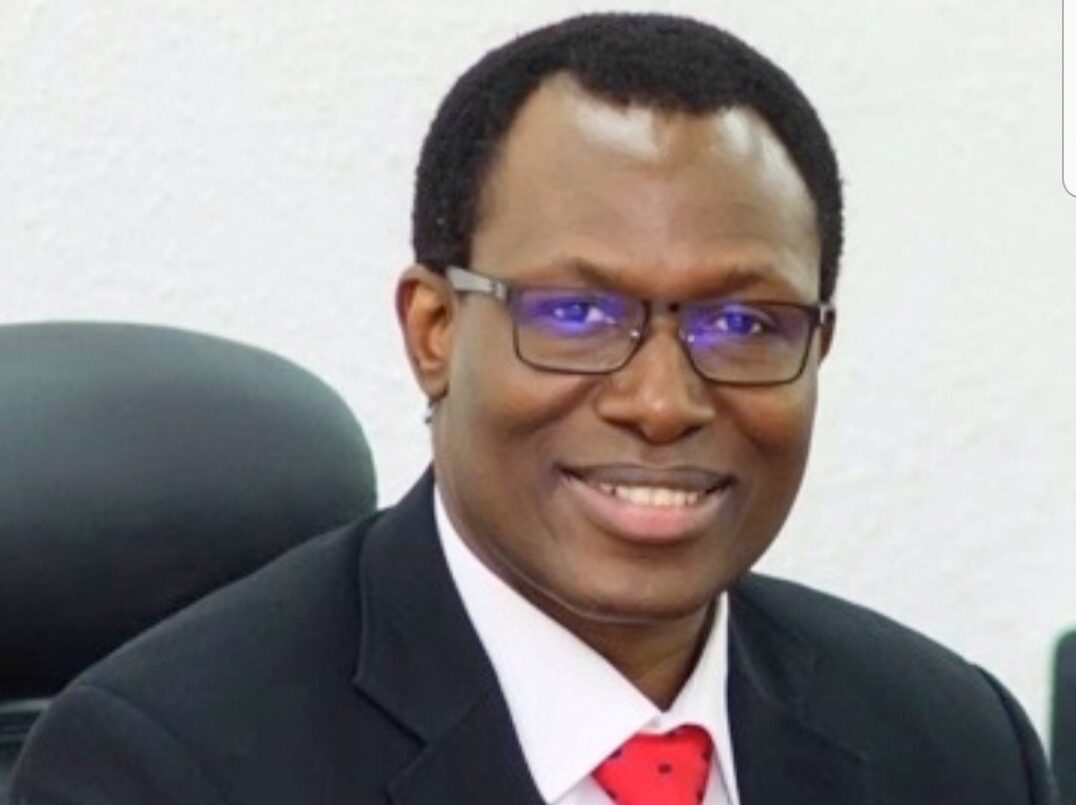
ALTON’s chairman, Engr. Gbenga Adebayo, stated that the change in billing was not a unilateral NCC directive, but part of a joint agreement between the NCC, the Central Bank of Nigeria, and industry stakeholders, including the telcos and the banks themselves.
“The banks are misrepresenting the facts. This isn’t simply a directive from NCC. It’s an agreement conditioned on the banks clearing their outstanding USSD debts,” Adebayo said.
He explained that the move to an end-user billing model — where users pay via airtime — was agreed upon with the condition that all debts owed by banks to telcos must be settled by June 2, 2025.
READ ALSO: NCC orders Telcos to disconnect USSD for banks with unpaid debts
According to him, while some banks have made efforts to clear these debts, the majority have not complied.
This non-compliance, coupled with misinformation to customers, has triggered a sharp response from the telecom industry.
“The agreement was also meant to ensure transparency and prevent dual billing — where customers are charged from both airtime and bank accounts. Without proper coordination and debt clearance, implementation is not only premature but also risky,” Adebayo added.
Telcos are now considering the suspension of USSD network access to banks as a measure to enforce accountability.
ALTON insists that while USSD services have become integral to mobile banking, telecom providers are under no obligation to continue offering them under such strained conditions.
“This service is not compulsory. If banks want to continue using USSD, they must fulfill their financial obligations. Otherwise, we will be forced to withdraw support,” Adebayo warned.
The rift raises concerns about possible disruptions in mobile banking, which remains a vital service for millions of Nigerians, especially in rural areas with limited internet access.
As tensions rise, industry observers await a resolution between both sectors to avoid a major digital service disruption.
Vanguard