Your brain is one of the most important organs in your body, and one of the major health threats it can face is a stroke. This serious medical condition is often life-altering and can cause lasting damage to your brain. But what exactly is a stroke?
The NHS says, a stroke occurs when blood flow to a part of the brain is interrupted. This can affect functions like speech and movement and requires urgent medical attention because it can be life-threatening.
The good news is that many strokes are largely preventable, especially through healthy lifestyle choices, including what you eat. Health expert Vanessa King, M.S., RDN, explains: “Eating well plays a supportive role in reducing stroke risk and supporting recovery after a stroke.”
READ ALSO: John Amaefule in hospital, needs help after stroke
Medical studies support this, showing that individuals with the highest-quality diets, based on the Alternative Healthy Eating Index, had a 40% lower risk of stroke compared to those with the lowest-quality diets, according to Eating Well.
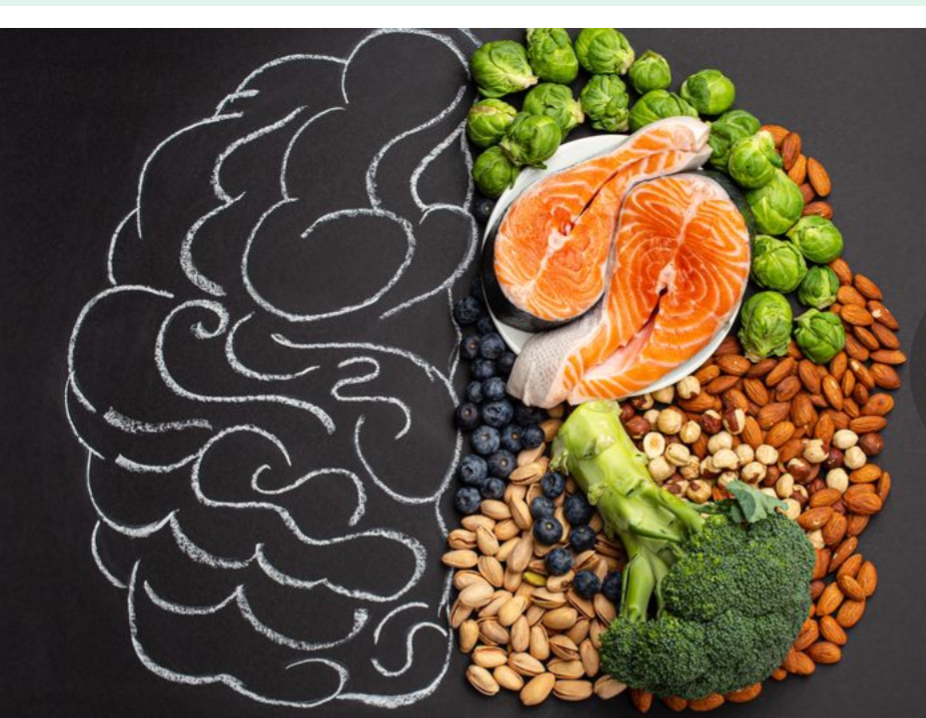
In fact, just four common foods, plus one unexpected caffeinated drink can significantly reduce your stroke risk. These aren’t exotic or expensive; they’re everyday foods likely already in your kitchen.
Five Foods That Help Reduce Stroke Risk
1. Salmon
Salmon is a powerful brain-boosting superfood. It’s rich in omega-3 fatty acids and heart-healthy nutrients that can help lower blood pressure and support healthy blood vessels.
Vanessa explains, “Three ounces of cooked salmon is a great source of vitamins B6 and B12, providing 23% of the daily value of B6 and over 100% of the daily value of B12.”
These B vitamins may help lower blood levels of homocysteine, a compound linked to increased stroke risk.
Salmon pairs well with dishes like Salad Niçoise or baked vegetable platters.
2. Chickpeas
Chickpeas are nutrient-dense, supporting brain health with their high fiber and protein content.
Vanessa shares, “A cup of chickpeas adds 10% of the daily value for homocysteine-lowering vitamin B6. They’re easy to use since they come precooked and canned.”
Use chickpeas in stews, salads, curries, or even as a crunchy snack.
3. Soy Foods
Health expert Amy Brownstein explains that soy foods help lower blood pressure thanks to their plant-based proteins and compounds like phytoestrogens and isoflavones.
“These components may help relax blood vessels and improve circulation,” she says.
You don’t need to give up meat entirely—just consider replacing one meat-based meal a week with a soy dish for added benefit.
4. Spinach
Spinach is packed with nutrients like potassium, magnesium, and folate that promote blood flow to the brain.
Vanessa notes, “A half-cup of cooked spinach is a great source of folate and a good source of magnesium.”
Leafy greens also contain nitrates, which your body converts to nitric oxide, helping regulate blood pressure.
A 2021 study found that consuming 60 mg of vegetable nitrates, about 1 cup of leafy greens, daily reduced the risk of ischemic stroke by 17%.
5. Coffee
Surprisingly, coffee can play a role in a stroke-prevention diet.
Amy explains, “Beyond caffeine, coffee is a significant source of polyphenols like chlorogenic acid, which may help lower blood pressure.”
However, avoid adding too much sugar, as high sugar intake can increase stroke risk by contributing to diabetes, a major stroke risk factor due to blood vessel damage.
By making simple changes, like including more of these five foods in your diet you can help protect your brain and reduce the chances of experiencing a stroke.
SURREYLIVE