A senior Iranian cleric has invoked Islamic law to condemn threats against the country’s Supreme Leader, Ayatollah Ali Khamenei — days after former U.S. President Donald Trump made provocative remarks implying Khamenei could be targeted.
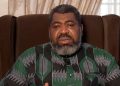
The comments came from Ayatollah Nasser Makarem Shirazi, a highly influential Shiite cleric based in the religious city of Qom. Though he did not name Trump directly, Shirazi’s statement was a clear response to a public question referencing the former American president, according to Iran’s official news agency IRNA.
Earlier this month, Trump had suggested during a press briefing that Khamenei was an “easy target,” adding, “We are not going to take him out — at least not for now.” Though likely intended to be provocative political rhetoric, the statement was perceived in Tehran as a serious threat against Iran’s most senior leader.
Responding to a believer’s inquiry about Trump’s remarks, Makarem Shirazi issued a religious fatwa — a legal ruling in Islam — stating that issuing threats against an Islamic government or its religious leaders is not only forbidden, but punishable by death under Islamic law. He referred to individuals or states that challenge Islamic leaders as Mohareb, a term meaning “enemies of God” or “warriors against God.”
“It is the duty of Muslims to hold such enemies accountable,” Shirazi declared, emphasizing that such acts are a grave sin. He added that those who punish enemies of Islamic leaders are to be considered holy warriors and are promised divine blessings.
Though framed as a theological explanation, Shirazi’s ruling effectively elevates Trump’s comments to the level of sacrilege in the eyes of devout followers and could embolden radical elements to interpret the fatwa as a religious call to action.
READ ALSO: Khamenei defies US, Israel, names successor after assassination
This is not the first time Iran has used religious rhetoric to confront perceived threats from foreign leaders. In 1989, Iran’s Supreme Leader at the time, Ayatollah Khomeini, issued a fatwa calling for the death of author Salman Rushdie over his book The Satanic Verses, leading to decades of global controversy and violence.
The latest statement underscores the continuing volatility in U.S.-Iran relations, especially following the killing of Iranian General Qassem Soleimani in 2020 — an act ordered by then-President Trump that Iran has repeatedly vowed to avenge.
While there has been no official response yet from the U.S. government or Trump’s office, the cleric’s remarks are likely to heighten security concerns. Analysts warn that even indirect religious rulings can inspire lone-wolf actors or proxy groups sympathetic to Iran.
Ayatollah Shirazi, 97, remains one of the most senior figures in Iran’s Shiite religious hierarchy. Though his comments carry no direct legal enforcement outside of religious interpretation, they are often seen as doctrinal guidance for Iran’s theocratic base.
The escalating rhetoric once again places Trump at the center of international controversy and raises questions about how Iran’s hardliners might respond in the future.
NAN