Aliko Dangote has sounded the alarm over what he describes as a troubling paradox as Africa continues to export crude oil while importing most of its refined fuel.
Speaking at the maiden edition of the West African Refined Fuel Conference in Abuja on Tuesday, Dangote said the situation defies economic logic and weakens the continent’s long-term development.
The conference, hosted by the Nigerian Midstream and Downstream Petroleum Regulatory Authority, NMDPRA, in partnership with S&P Global Commodity Insights, provided a platform for stakeholders to assess Africa’s energy supply challenges and opportunities.
In his address, Dangote pointed out that while Africa produces about 7 million barrels of crude oil daily, it still imports more than 120 million tonnes of refined fuel annually.
“This is a $90 billion market Africa has given away to regions with surplus refining capacity,” he said. “It is a tragedy that despite our resources, we are exporting jobs and importing poverty.”
According to Dangote, only 40 percent of the refined fuel consumed in Africa is produced locally, with most of the refining occurring in countries like Algeria, Egypt, and now Nigeria — thanks to the commencement of operations at the Dangote Refinery. In contrast, he noted, Europe and Asia domestically refine up to 95 percent of their fuel needs.
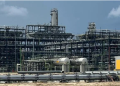
Describing the development and operation of his Lagos-based refinery — the world’s largest single-train facility — Dangote said the project encountered multiple hurdles ranging from technical bottlenecks to difficulties in sourcing crude oil.
READ ALSO: Dangote suspends discount voucher over diversion scam
Despite Nigeria producing over 2 million barrels per day, Dangote revealed that his refinery initially struggled to get local crude and had to rely heavily on international traders.
“Today, we buy 9 to 10 million barrels of crude per month, mainly from the U.S. and other countries,” he disclosed, while acknowledging NNPC Ltd for supplying some Nigerian crude recently.
He also highlighted logistical issues like excessive port charges, which he said make up around 40 percent of the total freight cost. In some cases, port fees almost rival the full cost of chartering a vessel, including fuel and crew.
Beyond these economic obstacles, Dangote stressed the urgent need for African nations to harmonise fuel specifications.
The lack of uniform standards, he argued, not only stifles regional trade but also creates loopholes exploited by foreign traders through market arbitrage.
“The fuel we refine for Nigeria cannot be sold in neighbouring countries like Ghana, Togo, or Cameroon — despite us driving the same types of vehicles,” he said. “This benefits no one but international middlemen.”
Calling for policy action, Dangote urged African regulators to implement unified fuel standards and pricing frameworks.
He also appealed to governments to protect domestic refiners — just as countries in North America and Europe do — to secure economic value and energy independence.
“This is not about isolationism,” Dangote clarified. “It’s about ensuring our economic systems serve our people and future generations.”
NAN