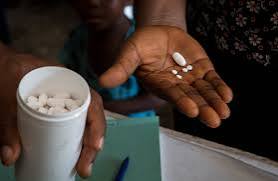
Africa has taken a major leap forward by securing its first supply of locally manufactured HIV treatment. This historic procurement, led by the Global Fund and delivered to Mozambique, positions the continent on the path to long-term medicine self-reliance and improved access for millions living with HIV.
For decades, sub-Saharan Africa home to the world’s highest HIV burden has depended almost entirely on imported medicines to fight the virus. Now, the continent is marking a turning point with the first official procurement of antiretroviral therapy manufactured by a Kenyan pharmaceutical company and supplied to Mozambique.
The treatment, known as TLD (a fixed-dose combination of tenofovir, lamivudine, and dolutegravir), is prequalified by the World Health Organization ,WHO, and meets rigorous international quality standards.
According to health experts, the shipment is large enough to treat over 72,000 people per year in Mozambique alone offering hope not only for those directly receiving medication, but for the future of regional medicine manufacturing.
Mozambique’s Minister of Health, Dr. Ussene Hilário Isse, called the development “a turning point in the region’s fight against HIV,” underscoring that it reduces Africa’s dependence on imports and strengthens its ability to respond swiftly to public health crises.
READ ALSO:Trump’s Surprise Africa Summit
This achievement comes amid declining global aid and supply chain disruptions that have threatened the steady flow of essential HIV commodities to Africa in recent years. By investing in local pharmaceutical manufacturing, Africa is working to close the gap between high demand and chronic supply shortages, while also building long-term resilience against external shocks.
The move aligns with the continent’s broader push for health sovereignty, as championed by WHO and regional partners. Beyond the immediate health impact, locally produced medicines are expected to stimulate economic growth, create jobs, and lay the groundwork for broader manufacturing of essential drugs across Africa.
Global Fund officials confirmed that scaling up the procurement and delivery of quality, affordable, African-made health products is now a strategic priority. The organization, with partners like Africa CDC and Unitaid, continues to support capacity building, regulatory reforms, and market-shaping interventions that will enable Africa’s burgeoning pharmaceutical industry to flourish.
As Africa celebrates this milestone, stakeholders emphasize that much work remains. Local manufacturing must expand further to include a wider range of essential medicines and reach all corners of the continent. Yet the continent’s first procurement of its own HIV drugs has sent an unmistakable signal: Africa is charting its own course towards health independence and a stronger future for millions of its people.
NAN