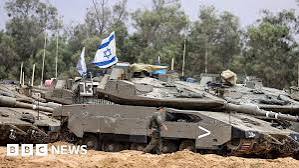
The Israeli military has approved a major plan to step up its operations in Gaza, including a possible takeover of Gaza City and the destruction of militant strongholds.
On Wednesday, August 13, 2025, Lieutenant General Eyal Zamir, Chief of the Israel Defense Forces ,IDF, approved the central framework for the next phase of operations in the Gaza Strip. The plan could lead to a large-scale ground offensive aimed at regaining control over Gaza City. This decision followed a high-level strategic meeting with senior military and intelligence officials.
The approved plan calls for a coordinated campaign involving ground troops, airstrikes, and targeted intelligence efforts to dismantle Hamas infrastructure in Gaza City. While tactical details remain classified, it is clear the strategy involves gradually increasing troop deployments in the enclave and keeping sustained pressure on Hamas command centers.
READ ALSO:Israeli hostage families call for August 17 general strike
Lt. Gen. Zamir highlighted the readiness of the armed forces, including rapid mobilization of reserve units. He stressed the need to minimize casualties while ensuring operational success. A military spokesperson said the IDF remains committed to protecting both soldiers and civilians during the campaign.
The move is part of a broader effort led by Prime Minister Benjamin Netanyahu, who has sought approval from the Israeli security cabinet to expand military control in Gaza. The Israeli government aims to weaken Hamas, secure the release of hostages, and set up an alternative administrative authority that excludes both Hamas and the Palestinian Authority.
The plan also accounts for logistical challenges, such as ensuring humanitarian aid reaches civilians outside combat zones and managing evacuations in areas affected by fighting. Gaza’s population already faces severe shortages, worsened by Israeli blockades and the recent suspension of humanitarian aid and electricity supplies.
The planned escalation has drawn both domestic and international attention. Critics warn it could worsen the humanitarian crisis and increase regional instability. Families of hostages and human rights groups have voiced concerns about the consequences of the offensive.
The IDF’s approval of this operational framework marks a decisive step in Israel’s Gaza campaign, signaling readiness for an intensified conflict aimed at dismantling Hamas control and reshaping the region’s political landscape.
The situation remains tense, with Palestinians enduring heavy bombardments and a worsening humanitarian emergency. Ceasefire talks and diplomatic efforts are continuing, but the coming weeks are likely to be critical as the military pushes forward with its plans while trying to balance combat goals with humanitarian needs.
NAN